There’s something oddly humbling about water. It’s this invisible force we count on every day without giving it much thought — until, of course, it stops working. One minute you’re sipping coffee; the next, you’re staring at a puddle creeping across your basement floor, wondering if it’s rainwater or something way worse.
The truth is, underground water lines are the unsung heroes of modern life. When they crack, burst, or slowly leak beneath your feet, you don’t just lose water — you lose peace of mind. That’s where real, human-in-the-loop line repair services come in. Not flashy, not glamorous, but absolutely essential.
When Silence Means Trouble
A drop in water pressure. A patch of wet soil that doesn’t dry. An unexplained spike in your water bill. These little clues are how underground water lines whisper that something’s wrong.
It doesn’t always happen with a bang. In fact, it’s often a slow burn — a corroded joint here, a shifted pipe there — until one day, your yard resembles a marsh and you’re Googling emergency plumbers at midnight. The scary part? These things often go unnoticed because they’re, well, underground.
And fixing them? That’s no DIY weekend project. It takes expertise, tools, and let’s be honest — a bit of trench dirt on your boots.
The Delicate Art of Detection
Before a shovel even hits the dirt, the first mission is finding the source of the problem. That’s where pressure testing for leaks comes into play. It’s the unsung science behind leak detection, and trust me, it’s not as simple as turning a knob and watching a gauge.
Professionals use pressure testing to pinpoint exactly where a system is losing water. They’ll isolate sections of the line, pressurize them, and monitor for drops. No guesswork. No wild digging. Just methodical, precision-based detective work. Because the last thing you want is a big hole in your yard that reveals nothing but a rock.
When done right, pressure testing saves time, money, and a whole lot of frustration. And when paired with acoustic sensors and tracer gases, the technology becomes eerily accurate — like sonar for your plumbing.
Not All Damage Is Created Equal
Let’s get one thing straight: Not all underground pipe problems look the same. Some are clean breaks — caused by root intrusion, shifting soil, or that random time you tried to plant a tree too close to the line (yeah, we’ve all been there). Others are hairline fractures that ooze silently for months.
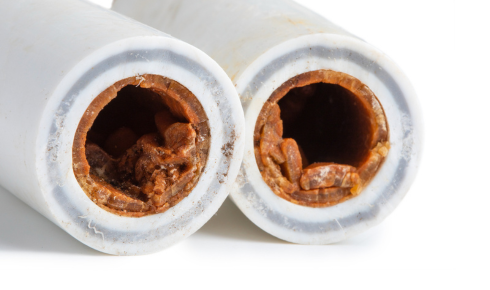
Then there’s corrosion, which feels almost personal. One year your pipes are fine; the next, they’re flaking apart like bad pastry. The repair method varies wildly depending on the issue, the pipe material, and how deep it’s buried.
This is where experienced technicians really show their worth. They know when a full replacement is overkill and when a patch just won’t cut it. They bring a calm, measured approach to a chaotic situation.
Dig or No Dig?
In recent years, there’s been a quiet revolution in how we handle underground line repair. Thanks to trenchless technology, you might not need to destroy your lawn or driveway just to access a busted pipe.
Pipe bursting, pipe relining, horizontal directional drilling — these aren’t just buzzwords. They’re real options that could save you thousands in landscape restoration costs. But here’s the catch: They’re not always applicable. The site, pipe material, and severity of the damage all matter.
So if a company walks in promising trenchless everything without even looking at your situation? That’s a red flag. Real pros assess first, sell later.
When “Good Enough” Isn’t
Some homeowners ask if they can “just patch it up for now.” I get it. Emergencies hit hard, and budgets are real. But here’s the thing — patchwork can be a trap. What starts as a quick fix often leads to repeat repairs, mounting costs, and in worst-case scenarios, mold and structural damage.
What you want is durable repair with the future in mind. Not over-engineered, but not slapdash either. The kind of fix that lets you sleep at night, not wonder if the leak has started again while you’re out of town.
This is where professional line repair services become worth every penny. They don’t just mend the pipe. They check the integrity of surrounding areas, confirm flow restoration, and give you honest feedback — not just what you want to hear, but what you need to.
Cost vs. Value: The Real Equation
Yes, repairs can be costly. Digging, testing, replacing, restoring — it all adds up. But the cost of doing nothing? Way worse. Imagine a slow leak turning into a foundation problem. Or sewage backup from a collapsed line.
The good news is, most professional services offer free or low-cost consultations. They’ll walk you through the process, explain the options, and give you a real sense of what you’re dealing with. No pressure, just clarity.
And let’s not forget — some underground issues may be covered by homeowners insurance or utility warranties. Always worth checking.
A Few Real-World Tips (From People Who’ve Been There)
- Don’t wait for obvious signs: If your neighbor had a repair recently, you might be next. Age and material type affect entire blocks.
- Know your property: If you have clay soil, frequent freeze-thaw cycles, or trees near lines — you’re at higher risk.
- Invest in annual inspections: They’re cheaper than emergency repairs, and give you peace of mind.
- Ask questions: Good contractors love explaining their work. If they seem annoyed, that’s not your person.
Wrapping It Up
Nobody wants to deal with a broken underground water line. But when it happens — and let’s face it, it probably will at some point — you want to be ready, informed, and confident in your next steps.
Whether it’s line repair services that bring reliability back to your home, pressure testing for leaks that uncover hidden problems, or smart decisions about underground line repair that save your landscaping — this isn’t just plumbing. It’s preserving the comfort and safety of your home.
So the next time you hear a strange hissing sound near your foundation, don’t brush it off. Listen. Respond. And call someone who actually knows what they’re doing.
Because water, while silent, always speaks. And the longer you ignore it, the louder it gets.