You know how it goes. One minute everything’s humming along just fine—your fridge is cold, the washer’s spinning, and the oven preheats like a dream. Then suddenly… clunk. Bang. Silence. A puff of smoke. And just like that, you’re deep in the chaos of another home appliance meltdown.
We don’t usually think about our appliances—until they stop working. But what if we could avoid those surprise breakdowns? What if there were some smart, doable ways to keep things running smoothly? Not in some overly technical, owner’s-manual kind of way, but with real, everyday strategies that even the least “handy” among us can follow.
Let’s dive into some human-friendly advice that might just save your bacon. Or at least your freezer full of it.
The Power of Paying Attention Early
Ever heard a weird buzzing from your fridge but shrugged it off? Or noticed your dishwasher wasn’t rinsing as well but figured it’d “sort itself out”? That, my friend, is how little problems turn into big, costly ones.
The trick to appliance breakdown prevention isn’t being a certified technician—it’s just staying a little more alert. Things like excessive noise, leaks, slow performance, or even odd smells are red flags. Not flashing neon signs, maybe, but definitely subtle clues that something’s up.
Sometimes a small action—tightening a loose hose, cleaning a filter, unplugging and replugging—can halt a full-blown failure. Other times, it’s your cue to call in a pro before the situation escalates. Either way, noticing early = less stress later.
Maintenance Isn’t a Chore—It’s Insurance
Nobody enjoys vacuuming dusty coils behind the fridge or checking seals on the dryer door. It’s about as fun as flossing. But here’s the thing—it works.
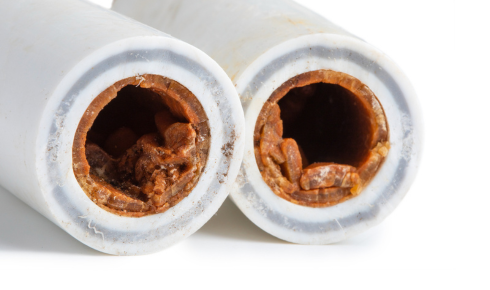
You don’t have to go overboard. Set a quarterly reminder to do a quick appliance check-in. Wipe vents. Clean filters. Check for rust or cracks in hoses. That 15-minute routine can add years to your appliances’ lives and seriously reduce your risk of expensive repairs.
Also, don’t ignore those “clean me” indicator lights—your dishwasher or oven isn’t nagging you for fun. It’s literally trying to help extend its own lifespan.
When to DIY and When to Call the Pros
It’s tempting to roll up your sleeves and play Mr. Fix-It when something acts up. YouTube is a goldmine of step-by-step videos, after all. And sure, sometimes the fix is simple. Reset a breaker. Replace a fuse. Pop in a new water filter.
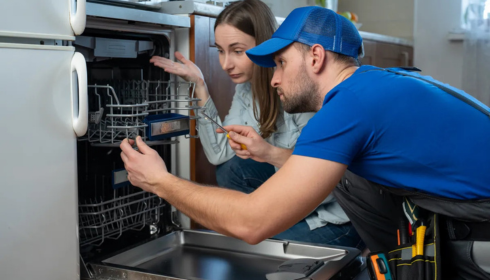
But for the not-so-obvious stuff? That’s where professional repair importance really shines. Because the truth is, DIY repair can sometimes backfire—especially if you start tinkering with electrical components or gas lines. And don’t get me started on the time someone used duct tape to stop a washing machine leak. Spoiler alert: it didn’t end well.
A seasoned repair tech knows what to look for, has the tools to do the job right, and most importantly, doesn’t leave you with a “fixed” appliance that breaks again two weeks later.
Credentials Matter (A Lot)
Let’s be honest—anyone can throw on a work shirt and call themselves a repair pro. But would you trust just anybody to mess with the wiring behind your microwave? Or troubleshoot a weird burning smell from your dryer?
Didn’t think so.
That’s why it pays—literally and figuratively—to work with certified repair technicians. These folks aren’t just winging it. They’ve gone through training, passed assessments, and know brand-specific issues like the back of their hand. They’re more likely to fix the problem the first time, without unnecessary parts or guesswork.
And bonus: certified techs are often backed by warranties or work guarantees. That means more peace of mind for you, and less second-guessing.
The Hidden Costs of Waiting
Delaying a repair usually feels like the cheaper choice in the moment. “Let’s just see if it gets worse,” we tell ourselves. Or worse—“It’s probably fine.”
Spoiler: it rarely gets better on its own.
Whether it’s a fridge running too warm, an oven taking forever to heat, or a washer that spins off balance, letting it ride almost always means higher repair costs down the line. Or total appliance failure, which is even more fun when it happens right before a holiday dinner or a big party.
Acting early might seem inconvenient now, but it beats being knee-deep in laundry when your washer decides to quit.
Energy Efficiency = Appliance Health
Here’s a little bonus tip: well-maintained appliances aren’t just more reliable—they’re more energy-efficient. That means lower utility bills and less wear on internal parts.
For example, clogged dryer vents make the motor work harder. Dirty fridge coils kill cooling efficiency. And old gaskets on ovens or fridges let the cold (or heat) escape, making the whole system run longer than it needs to.
Regular upkeep = smoother performance + energy savings. It’s a win-win.
Final Thoughts: It’s Not Just About the Appliance
At the end of the day, appliances aren’t just machines—they’re part of our rhythm. Our routines. Our home life.
When one breaks, it throws everything off balance. And while we can’t always avoid every failure (life’s messy like that), we can be more proactive. Notice issues early. Do some basic maintenance. Call the pros when it counts.