We don’t talk enough about the water that runs through our homes every day. The water we cook with, bathe in, make coffee with, and trust to keep us hydrated and healthy. Most of us just assume it’s fine because it comes out of the tap crystal clear. But here’s the uncomfortable truth: just because it looks clean doesn’t mean it is clean.
If you’ve ever caught a whiff of chlorine or read up on “forever chemicals,” you’ve probably already felt that little voice in your head say, Maybe I should look into this. And honestly? That voice is on to something.
A Not-So-Fun Fact About Chlorine in Your Tap Water
Chlorine is often added to municipal water supplies as a disinfectant — and while it’s great at killing off bacteria, it’s not so great for you. Not in the long run, at least.
You might have noticed a faint pool-like smell in your shower or your glass of water tasting a bit “off.” That’s chlorine. It’s not necessarily toxic at the levels used in public water systems, but long-term exposure isn’t exactly ideal either. Plus, let’s be real — no one wants to drink bleachy water, even if it’s “safe.”
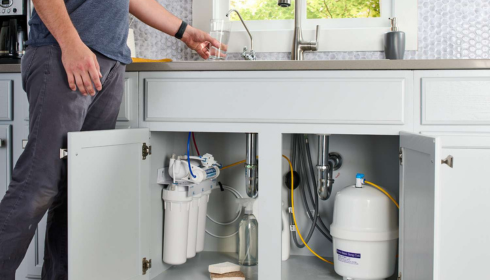
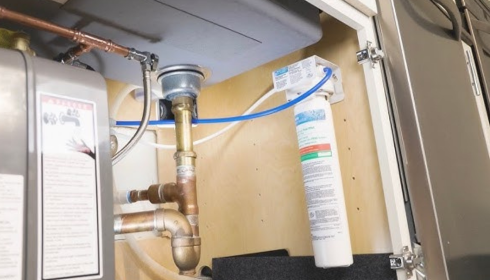
Thankfully, there are plenty of filtration systems that remove chlorine from your water without stripping it of essential minerals. Activated carbon filters, for instance, are excellent at this. You don’t need a fancy whole-house setup to start; even a high-quality pitcher filter or an under-sink unit can make a noticeable difference.
PFAS: The Chemicals That Just Won’t Quit
Now let’s talk about PFAS — short for per- and polyfluoroalkyl substances. They’re sometimes called “forever chemicals” because they just don’t break down naturally. They’re used in non-stick pans, waterproof gear, fast food wrappers… and yes, they find their way into drinking water systems too.
The scary part? These chemicals have been linked to everything from hormone disruption to cancer. And they’re in a lot of places. Most municipal water systems aren’t equipped to deal with them effectively, which means you have to take matters into your own hands.
The good news? You absolutely can reduce PFAS levels in your home’s water with the right filter. Reverse osmosis systems are especially effective — they’re kind of like the superheroes of filtration when it comes to battling tiny, sneaky contaminants like PFAS.
What About Lead? Yep, Still a Problem
We all remember the headlines from Flint, Michigan. But what a lot of people don’t realize is that lead exposure through drinking water isn’t just a “Flint” problem — it’s a lot more widespread than you’d think.
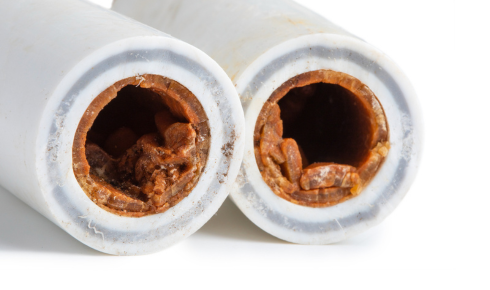
Old pipes, aging infrastructure, and lead solder used in plumbing can all leach lead into your water. And unlike chlorine, lead is completely toxic — even in small amounts. There’s no safe level of lead exposure, especially for kids.
If you’re in an older home or even just unsure about your water supply, it’s worth testing your water. If there’s lead present, don’t panic — many filters are certified for lead reduction, especially those with activated carbon and ion exchange technologies. Just make sure to check for certifications like NSF/ANSI 53 or 58 on your filter system. Don’t rely on marketing fluff — look for legit performance data.
The Bigger Picture: Why All of This Matters
It’s easy to overlook water quality because — well, it’s invisible most of the time. But here’s the thing: clean water isn’t a luxury. It’s a necessity. And we often spend more time researching our next smartphone than we do thinking about what’s in our tap.
But once you start caring, there’s no turning back. Suddenly, you notice the weird taste in your tea. You become suspicious of your cloudy ice cubes. You wonder if your pet’s water bowl is as safe as it should be. And that’s not paranoia — that’s awareness.
You Don’t Need to Go Full Survivalist to Make a Change
You don’t have to spend thousands of dollars or tear apart your kitchen to make your water safer. Start small if you need to. Try a good countertop filter. Test your water — kits are cheap and widely available. Learn about what’s actually in your local water supply (most city water departments post quality reports online).
The more you know, the more empowered you are to make a change. And the better your water, the better everything else in your home will feel — from your morning coffee to your nightly face wash routine.
Final Thoughts: Water Is Life, So Treat It Like It Matters
This isn’t about fearmongering. It’s about awareness. Once you realize the importance of what flows through your pipes every day, it’s hard to not care.