If you’ve ever turned on your faucet and wondered what’s really in that glass of water—or why your soap doesn’t lather like it should—this might hit home. Tennessee, a state rich in rivers and natural beauty, is facing some serious under-the-surface issues when it comes to water quality. From stubborn hard water stains to statewide infrastructure challenges, there’s more to this story than meets the eye (or the tap).
Let’s dive into it, no jargon, no fluff—just plain, relatable insight.
That Glass of Water Isn’t As Innocent As It Looks
Most of us don’t think twice about our tap water. We trust it to be clean, safe, and usable. But if you’ve ever noticed your dishes coming out cloudy, your skin feeling weirdly dry after a shower, or your coffee tasting off, you’re not imagining things.
Tennessee has long struggled with what water experts politely call “mineral-rich” water. Regular folks? We just call it a pain.
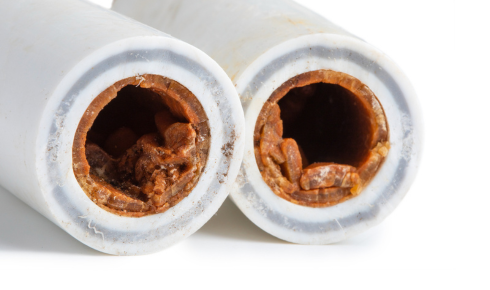
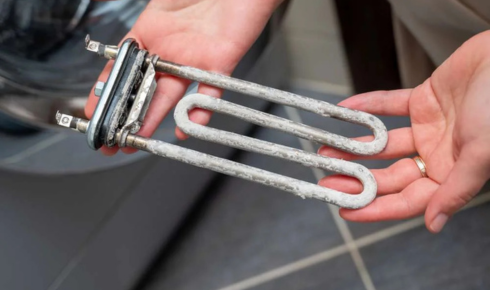
One of the biggest culprits behind those chalky white stains on your fixtures and appliances is hard water. It’s packed with calcium and magnesium—harmless to your health, but hard on just about everything else. The hard water effects range from dry hair and itchy skin to scale buildup that can ruin your plumbing. And let’s not even get started on what it does to your hot water heater’s lifespan.
Water Problems That Go Beyond the Sink
Sure, hard water is frustrating—but it’s only one piece of a much bigger puzzle. Tennessee’s water problems are as layered as the Smoky Mountains, and some of them are downright alarming.
In certain areas, especially older neighborhoods or rural towns, the infrastructure is outdated. Old lead pipes, decaying systems, and inconsistent monitoring create a patchwork of problems that don’t always make headlines but quietly affect thousands.
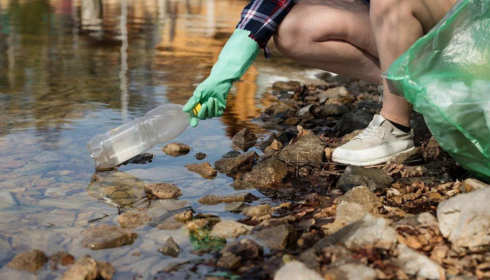
And then there’s agriculture. Tennessee’s strong farming roots mean runoff from fertilizers, pesticides, and livestock waste often ends up in nearby waterways—eventually finding their way into the municipal supply. It’s not unusual for residents to receive notices about contaminants in their drinking water, especially nitrates and bacteria.
These Tennessee water issues aren’t hypothetical or rare—they’re showing up in test results, utility warnings, and household complaints across the state.
What’s Being Done—and What’s Still Lacking
To be fair, local governments aren’t sitting idle. In places like Nashville and Memphis, there’ve been efforts to upgrade old systems, tighten testing protocols, and invest in public outreach. The Tennessee Department of Environment and Conservation (TDEC) even launched initiatives to improve water quality in high-risk areas.
But here’s the catch: these upgrades are slow, expensive, and often reactive rather than proactive. Many rural areas don’t have the budget or political muscle to get their water problems prioritized. That leaves a lot of residents stuck in limbo—aware of the issues, but unsure what they can actually do.
The Hard Truth About Private Wells
Think you’re in the clear because you use a private well? Think again.
Well water isn’t subject to the same rigorous testing requirements as public utilities. That means unless you’re voluntarily (and regularly) testing your water, you may have no clue what you’re drinking. In areas near farms, landfills, or older industrial zones, contamination can creep in without warning.
It’s a personal responsibility issue that’s easy to overlook. But with no automatic alerts or government monitoring, it’s also a risky one.
What You Can Actually Do About It
If all this is making you eye your Brita pitcher nervously, don’t panic. There are practical steps you can take to protect your health and your home—even if the state-level solutions are lagging behind.
- Get Your Water Tested
Seriously, whether you’re on city water or a private well, do an annual test. Kits are affordable, or you can have a professional come out for a more comprehensive report. - Install a Filtration System
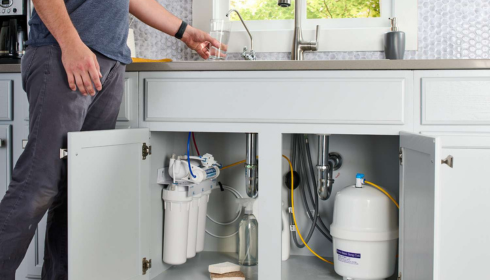
Depending on your results, a simple carbon filter might do the trick—or you might need something more robust like a reverse osmosis system or a water softener. - Stay Informed
Sign up for local utility alerts, check the EPA’s Consumer Confidence Reports, and stay active in local forums or Facebook groups. You’d be surprised how much your neighbors know—and what they’ve experienced. - Advocate for Your Area
If your town is suffering from chronic water issues, make some noise. Attend council meetings. Write to local reps. Your voice matters, especially when it comes to public health.
A Peek Beneath the Surface: Understanding the System
Water infrastructure is one of those things that’s easy to take for granted until it starts to fail. But once you see the cracks, you can’t unsee them. Across Tennessee, decades of patchwork fixes, outdated pipes, underfunded utilities, and population growth have pushed the system to its limits.
And here’s the thing—climate change is likely to make things worse. More frequent droughts, heavier rains, and increased runoff mean the system will be under even more pressure in the coming years. Planning ahead isn’t optional anymore; it’s critical.
Water system insights aren’t just for engineers and policy wonks—they’re for all of us. When you understand how your water is sourced, treated, and delivered, you gain the power to make informed choices. You stop being a passive consumer and start being a responsible stakeholder in your community’s health.
Final Thoughts: It’s Not Hopeless—But It’s Time to Wake Up
Here’s the truth: Tennessee’s water challenges are real, but they’re not insurmountable. What’s missing is a sense of urgency—and a commitment to solutions that go beyond short-term band-aids.
Water is life. It touches every part of our day—our cooking, our cleaning, our bodies, our kids. We owe it to ourselves to care a little more, to ask a few more questions, and to demand better answers.
So the next time you fill up that glass, take a second to think about what’s flowing through it. Not with fear, but with awareness.