Let’s be honest—clean water doesn’t exactly steal the spotlight when it comes to big business conversations. It’s not flashy. It doesn’t generate revenue directly. But in the background, it powers almost everything. From brewing a perfect cup of coffee in a café to ensuring safety in pharmaceutical production, water quality quietly influences outcomes, customer experience, and even health.
For many businesses, water is just water… until it isn’t. That’s when poor quality starts impacting operations, and the search for a more reliable solution begins.
What’s Actually in Your Water?
You might be surprised.
Municipal supplies often carry residual disinfectants like chlorine, heavy metals from outdated plumbing, or high levels of dissolved solids. If you’re running a business that relies on water—whether that’s food service, hospitality, healthcare, or manufacturing—this “just okay” water could be causing more harm than you realize.
Mineral deposits wreck equipment. Chlorine alters taste. Bacteria risks quietly build up in storage tanks or delivery lines. And that’s just the tip of the iceberg.
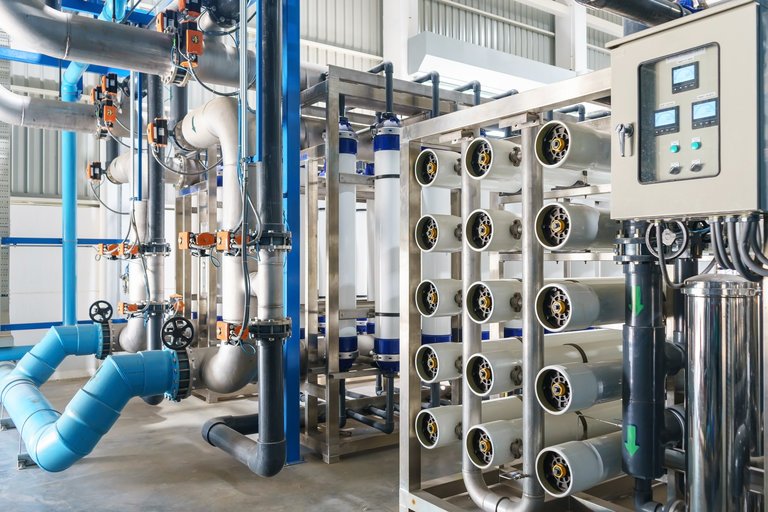
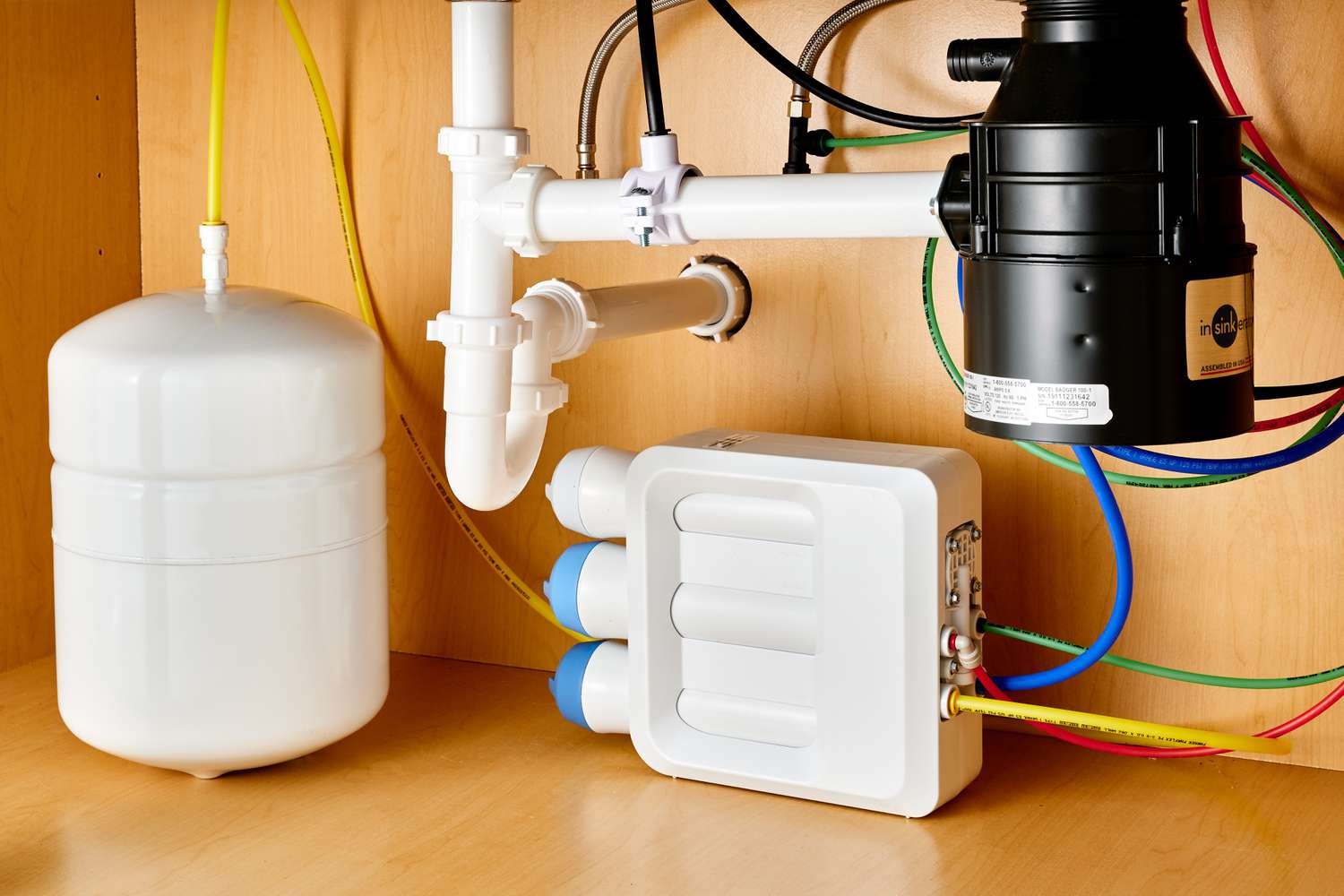
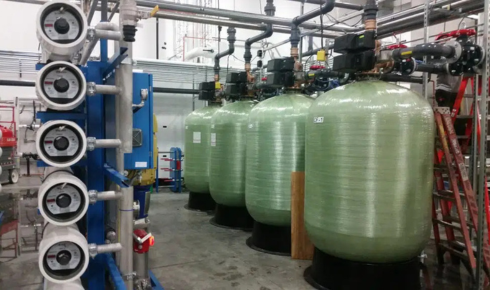
That’s why more businesses are turning to commercial reverse osmosis filtration to reclaim control over water quality. Unlike standard filters, RO systems remove up to 99% of dissolved salts, organic matter, bacteria, and more. They’re not overkill—they’re essential for operations where precision, taste, or safety matters.
It’s Not Just About Taste—It’s About Trust
Think about how water shows up in your business. Is it part of a product, like beverages or food prep? Is it used for cleaning or sterilizing equipment? Does it feed boilers, humidifiers, cooling systems?
When water quality drops, customers might not complain immediately—but they notice. A slightly off flavor in a drink. Cloudy ice. Coffee that tastes flat no matter how fresh the beans are. Employees notice too, especially when equipment breaks down or maintenance keeps calling.
Here’s the thing: inconsistent water equals inconsistent results. And customers don’t love surprises.
Sanitization: The Invisible Shield
Filtering water is one thing. But in industries where cleanliness and hygiene are non-negotiable, filtration isn’t always enough. You need to disinfect the water too.
That’s where commercial water sanitization steps in.
Sanitization technologies—like UV treatment, ozone systems, or chemical dosing—go beyond physical filtering. They neutralize pathogens, prevent biofilm in pipes, and keep water systems clean from the inside out. Especially in food processing, medical, or hospitality settings, sanitization can make or break compliance with safety standards.
It’s like adding an extra layer of insurance that your water won’t be the source of an outbreak, a lawsuit, or a PR nightmare.
System Design Matters More Than You Think
One of the biggest mistakes companies make? Buying the wrong system.
Too small, and it can’t handle the demand—leading to pressure drops, inconsistent quality, or frequent downtime. Too big, and you’re wasting money and space. And don’t even get started on installations that ignore plumbing realities or maintenance access.
The best commercial water systems aren’t just effective—they’re tailored. Designed for flow rate, water source, usage patterns, and local conditions. It’s not plug-and-play; it’s plan-and-prosper.
That’s why working with a water expert (not just a vendor) is so critical. You don’t want a salesperson. You want a partner who listens to your operational needs, runs proper water tests, and recommends solutions that won’t over- or under-deliver.
A Smart Investment with Quiet Payoffs
Commercial-grade water filtration and sanitization systems don’t always scream ROI the way marketing tools or fancy equipment might. But they do return the investment—often subtly.
- Lower energy bills (from scale-free heaters and boilers)
- Fewer maintenance calls
- Longer equipment lifespan
- Better tasting products
- Consistent regulatory compliance
- Happier customers and staff
Most of these benefits stack quietly. But over time, they become impossible to ignore. Water upgrades often pay for themselves within 12–24 months, especially in water-intensive industries.
Maintenance Isn’t Optional—It’s the Lifeline
Here’s something no one tells you during the sales pitch: even the best water system turns useless without proper upkeep.
RO membranes clog. UV lamps dim. Filters saturate. Sanitizers need calibration. Skipping maintenance isn’t just risky—it basically resets all the progress you made.
The smart play? Schedule maintenance into your quarterly or monthly routines. Treat your water system like your HVAC or refrigeration: essential, invisible, and always deserving of attention.
Real-World Example: Brewing the Difference
Take a boutique coffee shop. They invest heavily in beans, training, and ambiance. But the espresso still tastes… off. After testing, they discover their local tap water has high TDS (total dissolved solids) and a funky mineral balance. It’s throwing off the flavor.
A commercial reverse osmosis filtration unit gets installed, and suddenly everything changes. Espresso brightens. Consistency improves. Customers start asking what they changed—just water.
Same story plays out in restaurants, breweries, bakeries, and even office breakrooms. Water is the hidden ingredient that elevates (or ruins) everything it touches.
Water as a Strategic Decision
The businesses that thrive long-term are the ones that stop seeing water treatment as an afterthought. They view it as infrastructure, like power or air conditioning. Something to design around, protect, and optimize.
Clean, consistent water builds a foundation for better operations, better products, and better trust.
Final Sip of Truth
At the end of the day, the right water system doesn’t make your business—it simply removes a thousand little problems that stop it from thriving.
Invest in quality water. Your equipment, staff, and customers will thank you—quietly, consistently, and without a single drop of drama.