A home should be a place where you can relax, not a constant reminder of unfinished repairs. Yet even a well-kept property needs attention from time to time. A loose railing, a small hole in a wall, or a dripping kitchen tap may seem like a minor inconvenience, but these little issues can affect comfort, safety, and the condition of the house if they’re left unattended.
The good news is that home maintenance doesn’t have to involve a complete renovation or a large budget. Often, a few carefully planned repairs can make outdoor spaces more inviting, improve the appearance of interior rooms, and prevent everyday problems from becoming expensive projects. The key is knowing what to inspect, what to repair promptly, and when professional help is the sensible choice.
Make Outdoor Living Spaces Safer and More Enjoyable
A deck can become one of the most useful areas of a home. It’s a place for morning coffee, family meals, weekend gatherings, or simply sitting outside after a long day. But because decks remain exposed to changing weather, their condition can gradually deteriorate without obvious warning.
Regular inspections of decks & railings help identify loose boards, unstable handrails, corroded fasteners, and signs of wood decay before someone gets hurt. Start by looking for boards that move underfoot, nails or screws that have worked loose, and railings that shift when lightly tested. Pay particular attention to steps and transitions between the deck and the house, where people are more likely to trip.
Moisture is a common source of trouble for wooden decks. Water that remains trapped around joints or beneath planters can encourage rot, while repeated exposure to sunlight may cause finishes to fade and crack. Keep the surface clear of leaves, allow water to drain properly, and use a suitable protective finish when the material and manufacturer’s guidance call for it.
Not every problem is visible from above. Supporting posts, connections, and the area where the deck attaches to the house deserve attention as well. If you notice significant movement, soft structural wood, or damaged support connections, arrange an inspection by a qualified professional rather than relying on a quick patch.
Railings should be sturdy enough for their intended use and comply with applicable local requirements. Don’t assume a railing is safe simply because it looks solid. If it wobbles or has damaged connections, restrict access to the affected area until the problem has been corrected.
Repair Interior Walls Before Damage Spreads
Walls quietly absorb a surprising amount of everyday wear. Moving furniture can leave dents, door handles may create holes, and minor impacts can chip paint or crack drywall joints. These marks are common in busy households, especially in hallways and children’s rooms.
Timely drywall repair can restore a clean appearance without requiring an entire wall to be replaced. Small nail holes and shallow dents are often manageable with appropriate filler, sanding, primer, and matching paint. Larger openings may need a patch or a replacement section, depending on the size of the damage and the condition of the surrounding board.
Before repairing a damaged area, work out what caused it. A hole from a furniture bump is generally straightforward, but a soft patch on the ceiling or a discoloured section near a window may point to moisture. Covering water damage with fresh paint can hide the warning signs while the underlying problem continues.
If moisture is involved, locate and fix the source before installing new drywall or applying a finish. Wet materials may need to be removed, and the area should be allowed to dry properly. Persistent dampness, musty smells, or recurring stains deserve further investigation because they can indicate a leak or ventilation problem.
Preparation makes a noticeable difference to the finished result. Remove loose material, use suitable repair products, and allow each layer to dry according to the manufacturer’s instructions. Sand carefully and feather the edges so the repaired section blends into the surrounding surface.
Matching paint can be a little tricky, even when you know the original colour. Paint changes with age and exposure to light, so test a small area first. In some cases, repainting the entire wall produces a more consistent finish than touching up one isolated patch.
Don’t Ignore a Dripping Faucet
Few household problems are as easy to postpone as a dripping tap. The sound may become part of the background, and placing a container beneath it can seem like a temporary solution. Still, a persistent leak wastes water and may indicate that a component inside the faucet is wearing out.
Addressing faucet leaks early can prevent unnecessary water waste and help protect nearby cabinets, countertops, and flooring. Depending on the design, the cause might be a worn washer, damaged cartridge, deteriorated seal, or loose connection. The correct repair depends on the faucet model, so identifying the type before purchasing replacement parts is worthwhile.
Begin by observing where the water appears. A drip from the spout when the tap is turned off may point to an internal sealing problem. Moisture around the base or beneath the sink may indicate a different issue, such as a loose supply connection or a damaged seal. These problems shouldn’t automatically be treated as the same repair.
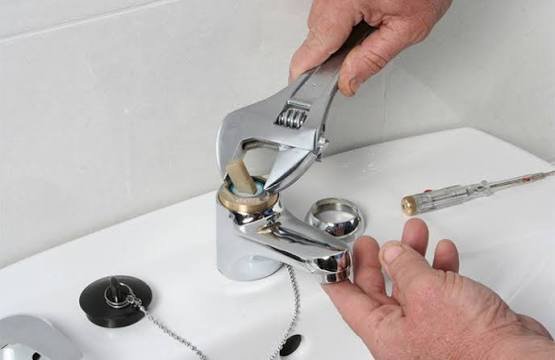
If you’re comfortable performing basic maintenance, turn off the appropriate water supply before dismantling any faucet components. Keep track of the order in which parts are removed and follow the manufacturer’s instructions. Avoid applying excessive force to stuck fittings, as this can damage the fixture or plumbing connection.
After completing a repair, restore the water supply gradually and check for leaks while the faucet is operating and when it’s switched off. Also inspect the cabinet beneath the sink over the following days. If the leak continues, the fittings are badly corroded, or you’re unsure where the water originates, contact a qualified plumber.
A faucet that leaks repeatedly may be reaching the end of its useful life. In that situation, replacing the fixture could be more practical than continuing to repair individual components.
Create a Maintenance Routine That Fits Your Life
The easiest way to stay on top of home repairs is to avoid treating maintenance as one enormous task. A short inspection every month or two can help you spot changes while they’re still manageable. Related context: The Subtle Signs in Your Water You Shouldn’t Ignore (Even If They Seem Harmless).
Check outdoor steps and railings, look for new cracks or stains on interior walls, and inspect visible plumbing connections beneath sinks. After heavy rain, examine accessible areas for signs of water intrusion. When seasons change, pay attention to exterior finishes and any components exposed to temperature fluctuations.
Keep a basic record of recurring issues. A photograph of a wall stain or a note about a repeatedly loose railing can help you track whether the problem is getting worse. These records are also useful when explaining the situation to a contractor.
It’s helpful to distinguish routine maintenance from work that requires specialist knowledge. Tightening a cabinet handle or touching up paint may be a simple task, while structural deck repairs, persistent leaks, and extensive water damage can involve greater risks. Hiring a professional early may cost less than correcting an unsuccessful repair later.
Budgeting for maintenance is another practical step. Set aside a modest amount for unexpected repairs and prioritize anything involving safety, active leaks, or structural deterioration. Cosmetic improvements can usually wait until essential problems have been addressed.
Small Repairs Help Protect the Bigger Picture
A comfortable home isn’t necessarily one with brand-new finishes and expensive upgrades. More often, it’s a home where the important details work as they should. Stable railings make outdoor spaces safer, repaired walls keep rooms looking cared for, and dependable faucets prevent everyday waste and frustration.
Start by inspecting the areas that receive the most use or exposure to weather. Fix the underlying cause of damage rather than covering up its visible effects, and ask for professional advice when a problem falls outside your experience.
These small decisions may not feel dramatic, but their value builds over time. With consistent attention and a realistic maintenance plan, you can protect your property, reduce avoidable expenses, and make everyday life at home a little easier.