A house can look perfectly fine from the street and still have problems brewing above your head. A few missing shingles, a loose piece of flashing, cracked siding, or a small leak around a chimney may not seem urgent on an ordinary Tuesday. Then a strong storm rolls through, and suddenly that “small” issue becomes a soaked ceiling or a much bigger repair bill.
That’s why exterior maintenance is less about making a house look perfect and more about keeping small problems from turning into expensive ones. Your roof, siding, gutters, windows, and other exterior components work together as a protective shell. When one part starts failing, the others often have to work harder.
Start With the Roof, But Don’t Stop There
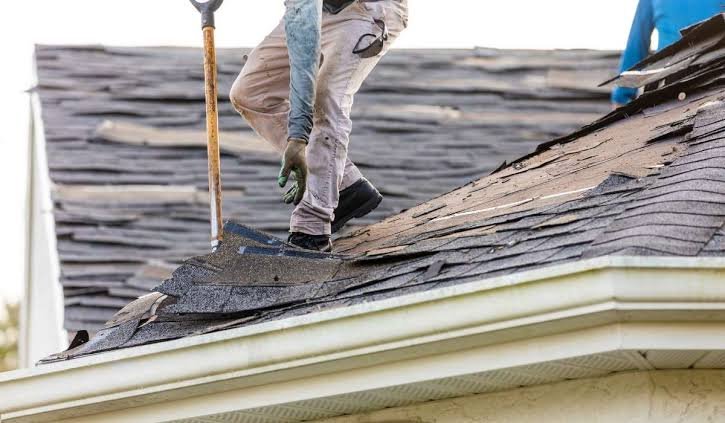
The roof is obviously one of the most important parts of a home. It takes the full force of rain, wind, hail, snow, heat, and sunlight year after year. Even a well-built roof eventually needs attention.
Regular inspections can help identify damaged shingles, deteriorated flashing, blocked valleys, moss growth, and areas where water may be collecting. Some issues are easy to spot, while others aren’t. A ceiling stain inside the house, for example, might not be directly below the actual leak.
When homeowners compare roofing services, they should look beyond the lowest estimate. Ask what the contractor actually inspected, what materials are being recommended, and whether ventilation, flashing, underlayment, and drainage were considered. A roof is a system, not just a layer of shingles.
Your Siding Does More Than Improve Curb Appeal
Siding is often judged by appearance first. And sure, faded or outdated siding can make a home look tired. But siding has a much bigger job than that. Related context: Why Small Pump Components Matter More Than Most People Think.
It helps protect exterior walls from moisture and weather exposure while contributing to insulation and overall energy performance. Cracks, warping, loose panels, bubbling paint, or areas that feel unusually soft can signal moisture problems underneath.
Sometimes a simple repair is enough. Other times, extensive deterioration makes siding replacement the more sensible long-term choice. The right decision depends on the age of the siding, the extent of damage, the material involved, and whether water has reached the underlying structure.
Replacing siding purely for cosmetic reasons is one thing. Replacing it because moisture is getting behind it is a different conversation entirely.
Storm Damage Isn’t Always Obvious
After a major storm, homeowners naturally look for dramatic signs of damage: fallen branches, broken windows, missing shingles, or water pouring through the ceiling. But storms can leave behind subtler problems too.
Wind may loosen roofing materials without removing them completely. Hail can create small impact marks. Gutters can pull away from the fascia, and flashing may shift just enough to allow water inside during the next rainfall.
This is where storm damage restoration becomes more than simply replacing whatever looks broken. A proper assessment should consider the roof, siding, gutters, windows, attic, insulation, and other vulnerable areas. Hidden moisture can cause trouble long after the storm itself is forgotten.
If you suspect storm damage, take photographs from safe locations and contact your insurance provider when appropriate. Don’t climb onto a damaged roof just to get a better picture. It’s not worth the risk.
Timing Matters More Than Most People Think
One of the biggest mistakes homeowners make is waiting until a problem becomes impossible to ignore. Water stains get painted over. A loose gutter gets left alone. A cracked siding panel stays on the wall for another year.
The trouble is, exterior damage tends to spread.
A tiny opening can allow repeated moisture exposure. Rot can develop behind siding. Wet insulation may lose effectiveness. Wood framing can deteriorate. What started as a relatively simple repair can eventually become a much more involved project.
That doesn’t mean every minor issue requires an emergency contractor visit. It simply means problems deserve to be evaluated before they have plenty of time to grow.
Gutters Deserve More Attention
Gutters aren’t particularly glamorous, but they perform an important job. They move rainwater away from the roofline and foundation. When they’re clogged, sagging, or improperly pitched, water can spill against siding, pool around the foundation, or damage fascia boards.
Cleaning gutters regularly is a simple maintenance step, especially in homes surrounded by trees. While cleaning, look for rust, cracks, loose fasteners, and sections pulling away from the house. Related context: The Quiet Upgrade Your Home Might Be Missing: A Real Look at Water Softeners.
Downspouts matter too. Water should be directed away from the foundation rather than dumped right beside it. In heavy rain, that small detail can make a surprisingly big difference.
Choosing a Contractor Requires a Little Homework
Finding a contractor isn’t difficult. Finding the right contractor takes a bit more effort.
Start by checking experience, licensing requirements in your area, insurance coverage, references, and reviews. Ask for a written estimate that clearly explains labor, materials, preparation, disposal, and any potential additional costs.
Be cautious when someone shows up immediately after a storm and pressures you into signing a contract on the spot. Some reputable contractors do respond quickly after severe weather, but urgency shouldn’t eliminate your ability to ask questions.
A good contractor should be comfortable explaining the problem in plain language. If every answer feels vague or overly complicated, that’s a red flag.
Don’t Forget Ventilation and Insulation
Roof performance isn’t only about what happens outside. Your attic plays an important role too.
Poor ventilation can contribute to excess heat and moisture buildup, while inadequate insulation can affect indoor comfort and energy use. In colder climates, moisture and temperature differences can create additional problems. In warmer regions, an overheated attic can place extra strain on cooling systems.
During a roofing inspection, it’s worth asking whether attic ventilation and insulation appear appropriate. Fixing the roof without addressing a related attic problem may only solve half the issue.
Maintenance Is Usually Cheaper Than Panic
Homeownership comes with plenty of unexpected expenses. You can’t prevent every repair, but you can reduce the number of unpleasant surprises.
A simple seasonal routine can help: inspect the roof, clean gutters, check siding, look around windows and doors for damaged sealants, trim branches that hang over the roof, and examine visible areas after severe weather.
Keep records and photographs of major repairs, too. They can be useful for future maintenance and may help when discussing damage with an insurance company or contractor. Related context: The Subtle Signs in Your Water You Shouldn’t Ignore (Even If They Seem Harmless).
Most importantly, pay attention to changes. A new stain, strange draft, missing shingle, or piece of siding that suddenly looks different is worth investigating.
A Stronger Home Starts With Small Decisions
Your home’s exterior is constantly dealing with things you can’t control—wind, rain, heat, cold, falling branches, and time itself. You don’t need to obsess over every shingle or siding panel. But ignoring the exterior for years isn’t a great strategy either.
Good maintenance is really about staying one step ahead. Inspect when you can, repair problems before they spread, choose contractors carefully, and don’t assume that damage is harmless simply because it isn’t dramatic.
A strong roof and well-maintained exterior won’t make storms disappear. They can, however, give your home a much better chance of weathering them—and give you a little more peace of mind when the next dark cloud rolls in.