Water is such a familiar part of daily life that it’s easy to take it for granted. You turn on the tap, fill a glass, make coffee, or rinse vegetables without giving much thought to what happens between the water supply and your kitchen. But when the taste changes, mineral deposits start appearing, or you begin looking into different ways to improve your drinking water, the choices can quickly become confusing.
Standard filtration works well for many households, but it isn’t the only option. Some people are interested in water with a particular mineral profile, while others need a treatment approach designed for a specific water quality issue. Understanding the differences can help you make a more informed decision instead of choosing a product simply because it sounds advanced.
The important thing is to begin with your water and your goals. A useful treatment system should address a genuine need, fit comfortably into your routine, and offer performance you can verify.
Begin With a Clear Idea of What You Want to Change
Before comparing equipment, think about what has prompted your search. Perhaps the water has a strong chlorine taste, or you’re tired of cleaning scale from the kettle. Maybe you have already tested your water and want to address a particular result. These situations call for different solutions, so it helps to separate what you know from what you suspect.
Water testing is a sensible starting point when you’re unsure about its composition. Taste and appearance can provide clues, but they cannot reliably identify all contaminants. Some substances that affect health have no noticeable smell, colour, or flavour. A suitable laboratory test or a review of your local water quality report can help establish which concerns deserve attention.
Once you understand the results, you can compare treatment technologies based on their intended purpose. Sediment filters capture particles, activated carbon can reduce certain tastes and odours, water softeners address hardness minerals, and reverse osmosis membranes reduce many dissolved substances. None of these technologies does everything, and not every home needs them all.
It’s tempting to start with the most sophisticated product on the market. In practice, the best results often come from solving one clearly identified problem well.
What to Know About Alkaline Water
Interest in water with a higher pH has grown, partly because people are curious about the way drinking water tastes and how its mineral content differs from ordinary tap water. Some systems change water chemistry to make it more alkaline, while others combine filtration with mineral additions or other treatment stages.
Alkaline water systems are designed to increase the pH of water, often by using mineral media or an electrolysis process, depending on the product. Some models also include filtration components to improve taste or reduce certain substances. Since designs differ, it’s important to understand exactly what a particular unit does rather than assuming every alkaline system provides the same results.
A higher pH does not automatically mean water is safer or healthier. The benefits promoted by some sellers can go beyond what reliable evidence supports, especially when claims suggest that alkaline water can prevent or treat diseases. Drinking water should not be viewed as a replacement for medical care, and people with health concerns should discuss them with an appropriate healthcare professional.
If you’re considering this type of equipment because you prefer the taste, compare the system’s filtration performance, maintenance requirements, and running costs. Ask whether the unit reduces the contaminants that concern you and whether those claims are independently certified. The pH level alone is not enough to evaluate overall water quality.
Understanding the Reionator Concept
Specialized water equipment can be described using terms that aren’t always familiar to the average homeowner. One example is reionator, a name that may be used in connection with equipment intended to alter water’s ionic or mineral characteristics. The precise function depends on the specific product, so the name itself should not be treated as a technical guarantee.
When researching any device with a specialized name, look beyond the marketing description. Find out what process it uses, what changes it makes to the water, and whether those changes have been measured under controlled conditions. If a manufacturer claims that the system removes particular contaminants, ask for test data that identifies those substances and shows the reduction achieved.
It’s also worth distinguishing between changing the mineral composition of water and removing harmful contaminants. These are not necessarily the same task. A product may alter certain water characteristics without being designed to remove bacteria, metals, or other substances that could be present in a supply.
A clear product specification should explain the technology, its intended use, maintenance requirements, and limitations. If those details are difficult to find, take that as a reason to ask more questions before purchasing.
When a Specialized Treatment System May Be Appropriate
Some water concerns are too specific for a basic filter. A property may have elevated iron, unusual mineral content, sediment, or another issue that requires a tailored treatment plan. In those cases, specialty treatment systems can provide a more targeted approach, provided the equipment is selected according to reliable test results.
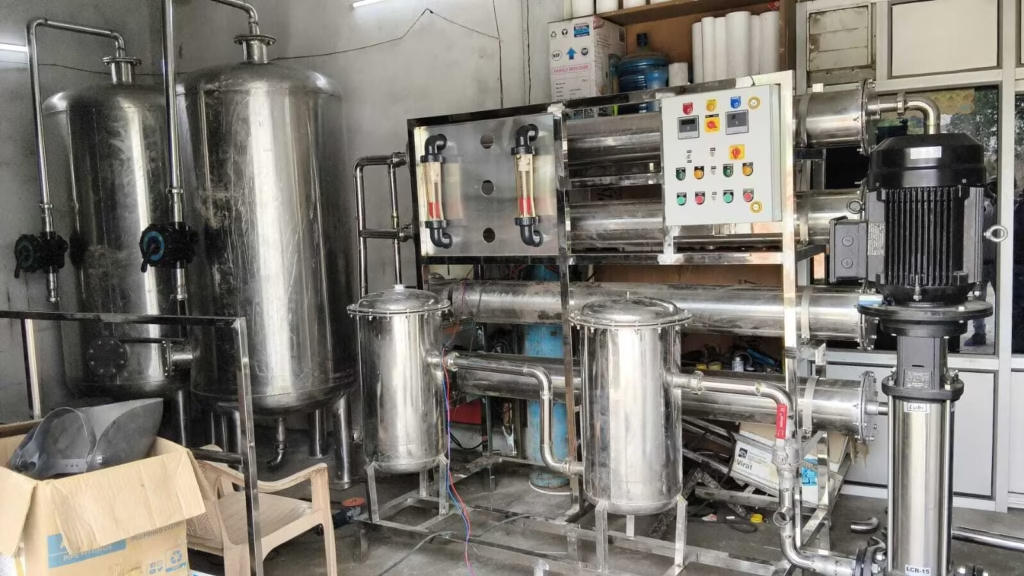
Depending on the issue, a treatment setup might include oxidation and filtration for certain forms of iron, a suitable media filter for a specific contaminant, ultraviolet disinfection for microbiological concerns, or reverse osmosis for reducing a range of dissolved substances. Each technology has its own requirements, and the right combination depends on the water source and the problem being addressed.
For example, ultraviolet treatment can inactivate susceptible microorganisms when the system is correctly designed and maintained, but it does not remove dissolved chemicals or minerals. A carbon filter may improve taste and reduce certain compounds, yet it is not a universal solution for every contaminant. Understanding these differences prevents unrealistic expectations.
If you use a private well, a professional may recommend testing for substances associated with local geology or nearby land use. Testing should guide the equipment choice, rather than selecting a device first and hoping it addresses whatever is present.
Compare the Practical Details, Too
Performance is only one part of a good purchasing decision. Think about where the equipment will be installed, how much space it needs, whether it requires electricity or drainage, and how often its components must be serviced. A system that looks compact in a product photograph may still need room for tubing, cartridges, and routine maintenance.
Ask about the complete cost of ownership. Include installation, replacement filters or media, servicing, and any ongoing water or electricity use. Some products require regular consumables, and those costs can become significant over several years.
You should also consider who will maintain the system. If replacement parts are difficult to obtain or the service schedule is complicated, routine care may become a burden. A straightforward system that meets your needs can be more useful than an elaborate one that is neglected after installation.
Look for clear documentation and, where applicable, independent certification for the specific performance claims being made. A broad statement such as “purifies water” is less helpful than evidence showing which substances the system is tested to reduce and under what conditions.
Make an Informed Choice for the Long Term
Water treatment doesn’t need to be a guessing game. Start by identifying the concern, review relevant test results, and compare technologies according to what they can actually accomplish. If a product promises dramatic health benefits or claims to solve every water problem at once, slow down and ask for credible evidence.
For many homes, conventional filtration or softening is enough. Other households may benefit from a specialized system, especially when testing identifies a specific issue. Alkaline or mineral-focused equipment may appeal to people who prefer particular water characteristics, but those preferences should be kept separate from claims about health or contaminant removal.
Ultimately, good water treatment is about making a practical decision with reliable information behind it. Choose equipment that suits your water supply, fits your household’s habits, and comes with understandable maintenance instructions. When the technology matches the problem, the result is more likely to be useful long after the installation is complete.