Water problems have a way of creeping into everyday life. At first, it’s just a few white marks on the shower glass. Then the kitchen faucet starts collecting crusty deposits, the laundry feels less fresh, or you begin wondering why the water pressure seems different. These issues may not seem urgent on their own, but over time they can become frustrating and expensive.
Fortunately, water treatment has moved beyond the traditional idea of installing one filter and hoping for the best. Homeowners now have options ranging from specialized filtration systems to equipment that tracks water use and helps detect unusual activity. The trick is knowing which technologies solve a real problem and which ones simply sound impressive.
Start With the Water, Not the Equipment
Before comparing products, take a moment to understand what’s happening with your water supply. Hardness, sediment, chlorine taste, iron, and other water quality concerns can have very different causes. A solution that works well for one issue may do little for another.
For instance, white scale around taps often points to calcium and magnesium, the minerals responsible for hard water. A chlorine-like taste may call for a different treatment approach, while reddish staining could indicate iron. If your home uses a private well, testing for relevant bacteria and chemical contaminants is especially important.
Water that looks clear isn’t necessarily free from contaminants, and unpleasant-looking water isn’t automatically unsafe. Testing through a qualified laboratory can help identify the substances present and guide your next steps. Related context: Exploring Specialty Water Treatment Options for a Home That Fits Your Needs.
It also prevents unnecessary spending. There’s little value in investing in a complicated filtration setup if a simpler, targeted system will do the job. Begin with evidence, then choose the technology.
Understanding Salt-Free Water Treatment Systems
Traditional water softeners commonly use ion exchange to reduce calcium and magnesium in the water. While effective for many households, these systems require regeneration and may use salt or potassium chloride. Some homeowners prefer to explore alternatives because of maintenance preferences, wastewater considerations, or concerns about adding sodium to softened water.
That’s where salt-free systems enter the conversation. The term often refers to water conditioners designed to change how hardness minerals behave, rather than removing those minerals from the water. Some use template-assisted crystallization or other conditioning technologies intended to reduce scale formation on surfaces and equipment.
This distinction matters. A salt-free conditioner generally shouldn’t be expected to produce the same results as a conventional ion-exchange softener. Calcium and magnesium may remain in the water, so you might still notice some spots on glassware or experience different results when using soap.
Performance also varies according to water chemistry, temperature, and the specific product. If scale is damaging a water heater or affecting appliances, ask the supplier for evidence that the system is suitable for your conditions. Be cautious about broad promises that suggest every salt-free device eliminates hard water completely.
For some homes, a salt-free conditioner may be a reasonable option. For others, a conventional softener remains the more appropriate choice. The decision should depend on the outcome you want, not simply whether a product sounds newer or easier to maintain.
Why Whole-Home Filtration Can Be Useful
Some water concerns affect just one faucet, while others follow you through the entire house. If sediment, certain odors, or specific unwanted substances are present throughout the supply, treating water as it enters the property may make more sense than installing separate filters at several outlets.
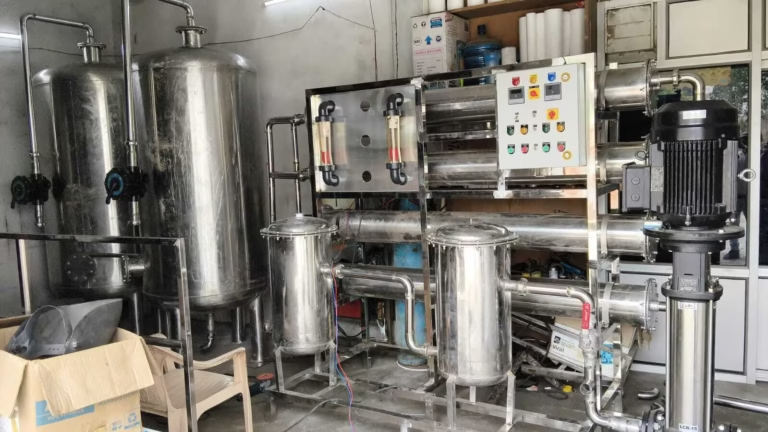
A whole-home filtration system is typically installed on the incoming water line, allowing treated water to reach showers, laundry facilities, and other fixtures. Depending on the equipment, it may reduce sediment, chlorine, or selected contaminants. The exact capabilities depend on the filter media and system design.
However, whole-home filtration isn’t one universal technology. A sediment filter captures particles, while activated carbon can improve taste and odor by reducing certain substances. Specialized media may be needed for iron, manganese, or other specific concerns. A system designed for one purpose may not address another.
There are practical considerations, too. The equipment must handle the home’s peak water demand without causing excessive pressure loss. Filter capacity should suit the incoming water conditions, and cartridges or media need replacing according to the manufacturer’s schedule.
Some households benefit from combining whole-house treatment with a separate drinking-water filter at the kitchen sink. That arrangement can address different needs without forcing one device to do everything. A qualified installer can help determine whether the added complexity is worthwhile.
Smart Water Monitoring and Early Warnings
Water leaks are easy to overlook until a cabinet floor starts swelling or a stain appears on the ceiling below an upstairs bathroom. Even a small leak can waste a surprising amount of water if it continues for days or weeks.
Smart monitoring technology offers another way to manage household water. Depending on the product, devices may track flow rates, identify unusual usage patterns, send alerts to a phone, or work with an automatic shutoff valve when a possible leak is detected.
For homeowners who travel frequently, have older plumbing, or maintain a property with several bathrooms, smart water monitoring can provide useful visibility into what’s happening when nobody is watching. Some systems can flag continuous water flow that might indicate a running toilet, while others focus on detecting sudden changes associated with a burst pipe.
Still, these devices have limits. A monitoring system may identify unusual water use without knowing its exact cause. Alerts can also depend on internet connectivity, sensor placement, power supply, and product configuration. Before buying, check what the device actually measures and whether it can automatically shut off the supply or only send notifications.
Smart monitoring is also different from water quality testing. A sensor that measures flow or detects a leak cannot confirm whether the water contains bacteria, nitrates, or heavy metals. If your concern is drinking-water safety, appropriate laboratory testing remains essential.
How to Choose a System That Fits Your Home
It can be tempting to purchase several technologies at once, particularly when each promises a different benefit. But more equipment doesn’t automatically mean better water. A well-planned setup should address the main issues without adding unnecessary cost or maintenance.
Start by listing your concerns. Are you trying to reduce scale, improve drinking-water taste, protect against leaks, or investigate a possible contaminant? Some households have several needs, but they don’t always require several large systems.
Next, consider the practical details. Measure the available installation space, check your household’s water demand, and ask about filter replacement intervals. Review product certifications and performance data, especially if the system claims to reduce health-related contaminants.
Operating costs deserve attention as well. A device with a modest purchase price may require frequent cartridge changes, while another may involve periodic professional servicing. Smart systems may also rely on subscriptions or compatible home automation equipment, so read the details before committing.
Finally, ask what maintenance looks like after installation. A system that fits your budget and routine is more likely to receive the attention it needs.
Better Water Comes From Informed Choices
Modern water treatment offers plenty of options, but the best results usually come from matching the technology to the problem. Salt-free conditioners may help manage scale under suitable conditions, whole-home filtration can address selected issues across multiple fixtures, and smart monitoring may provide valuable warnings about unusual water use or leaks.
Each serves a different purpose, and none should be expected to replace proper water testing or routine plumbing maintenance.
Take time to understand your water, compare realistic performance claims, and think beyond the initial purchase price. With the right information, you can build a practical approach that protects your home, reduces avoidable hassles, and makes everyday water use a little easier. That’s what good water treatment should do: solve the problems that matter without making life more complicated.