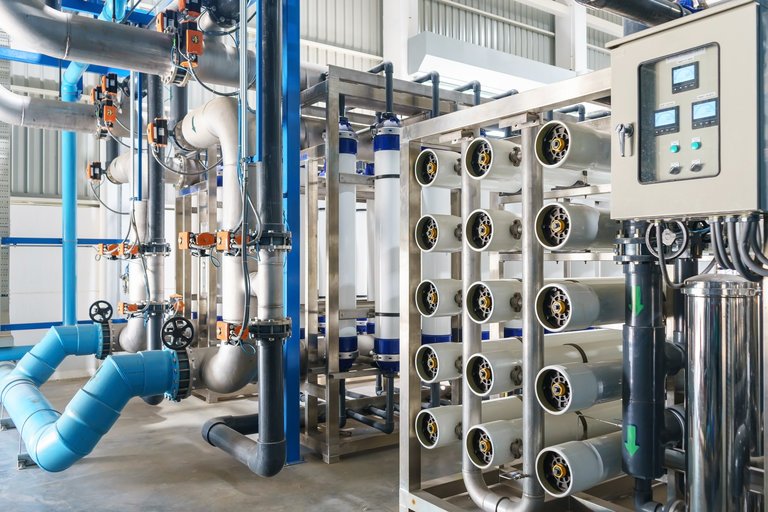
If you’ve ever worked with a chemical feed system, pool maintenance setup, or water treatment application, you already know that reliability often comes down to the smallest components. It’s easy to focus on the pump itself while overlooking the pieces that quietly keep everything moving day after day. Yet anyone who’s dealt with unexpected downtime knows the truth—minor wear inside a pump can quickly become a major headache if it’s ignored.
One lesson maintenance professionals learn over time is that prevention almost always costs less than emergency repairs. A quick inspection, a timely replacement, and a bit of routine care can extend the life of an entire pumping system. It isn’t glamorous work, but it’s the kind of attention that keeps equipment performing consistently when it’s needed most.
Understanding How Peristaltic Pumps Work
Peristaltic pumps operate using a surprisingly simple principle. Instead of allowing liquid to flow through mechanical valves or seals, rollers compress a flexible tube and push fluid forward. Since the liquid only comes into contact with the tubing, contamination risks remain low, making these pumps popular across water treatment, agriculture, industrial processing, and chemical dosing.
This straightforward design also means that the tubing becomes the primary wear component. Every rotation compresses and releases the tube repeatedly. After thousands—or even millions—of cycles, fatigue naturally develops.
That’s not a design flaw. It’s simply the expected life cycle of an engineered component doing exactly what it was built to do.
Why Quality Replacement Tubes Make a Difference
When tubing begins to lose flexibility, several small issues may appear before complete failure occurs. Flow rates can become inconsistent. Chemical dosing may become less accurate. Operators might notice unusual pump noises or visible flattening of the tube.
Replacing worn tubing before failure prevents these problems from affecting the rest of the system.
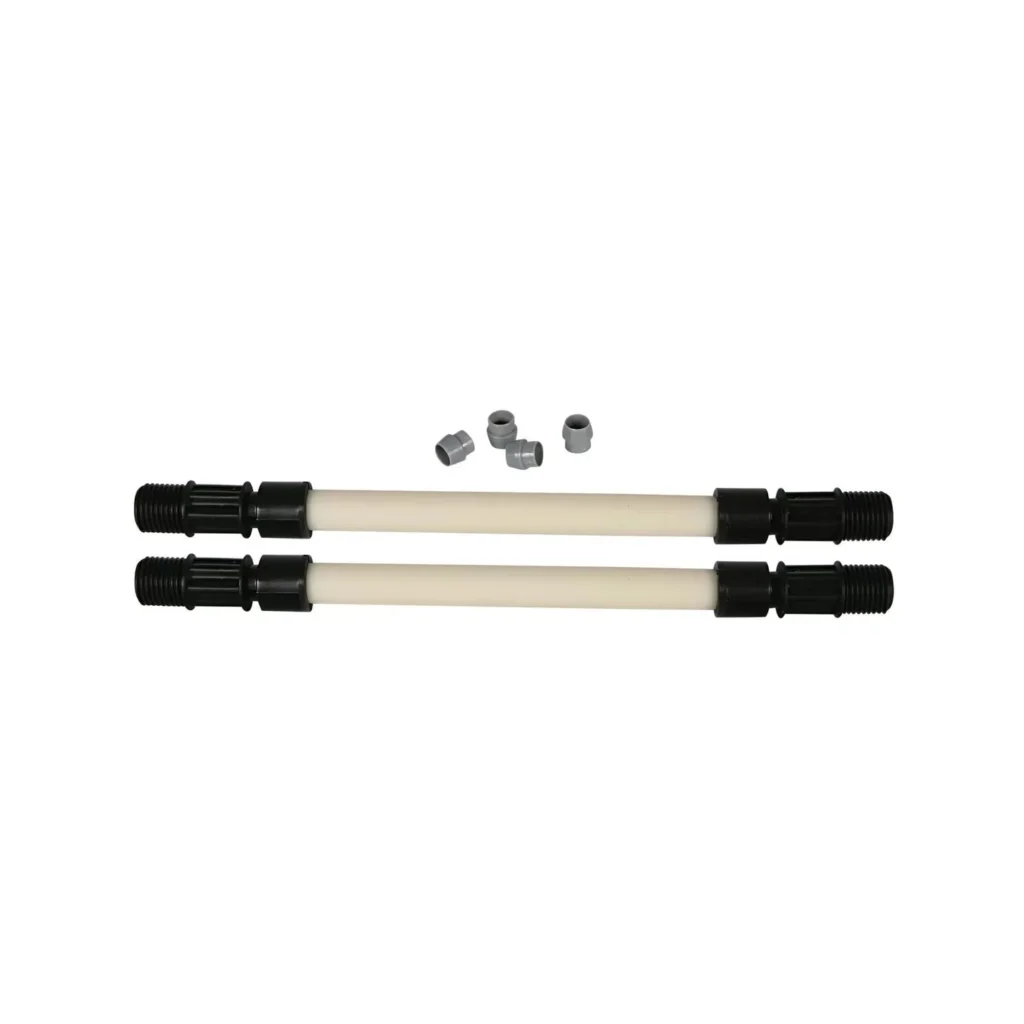
Many maintenance teams specifically choose stenner santoprene replacement pump tubes because Santoprene material offers an excellent combination of flexibility, chemical resistance, and long operating life in demanding environments. Using tubing designed for the correct application helps maintain steady performance while reducing unnecessary maintenance interruptions.
Choosing compatible materials isn’t just about fitting the pump—it directly impacts reliability over months of continuous operation.
Signs It’s Time for New Tubing
Waiting until a tube bursts is rarely the best maintenance strategy.
Instead, experienced operators often watch for early warning signs such as:
- Reduced chemical output
- Uneven dosing rates
- Visible cracks or surface wear
- Tube flattening
- Increased pump vibration
- Chemical leaks around the housing
These symptoms usually develop gradually, giving maintenance teams plenty of opportunity to schedule replacement before an unexpected shutdown occurs.
That proactive approach saves both time and operating costs.
Routine Maintenance Is Easier Than Major Repairs
One interesting thing about peristaltic systems is how forgiving they can be when they’re properly maintained. Unlike more complicated pump designs filled with seals, valves, and diaphragms, servicing a tube is generally straightforward.
Regular inspections don’t require expensive diagnostic equipment either. Many technicians simply perform visual checks during scheduled maintenance rounds, looking for changes in elasticity, discoloration, or surface damage.
Even spending five minutes every few weeks can prevent hours of troubleshooting later.
Those small habits often separate equipment that runs reliably for years from systems that constantly require emergency attention.
Selecting the Right Pump Tubes
Not every tube is suitable for every application. Different chemicals, temperatures, and operating pressures all influence material selection.
Choosing the correct pump tubes involves considering factors such as:
- Chemical compatibility
- Operating temperature
- Pressure requirements
- Pump model compatibility
- Expected service life
- Environmental conditions
A tube that performs exceptionally well with one chemical may degrade much faster when exposed to another. That’s why reviewing manufacturer recommendations before ordering replacements is always worthwhile.
Trying to save a little money by installing incompatible tubing often ends up costing much more in downtime and replacement labor.
Small Maintenance Decisions Create Long-Term Savings
Many facility managers focus heavily on reducing operating expenses, but preventive maintenance is one area where cutting corners rarely pays off.
Replacing tubing before failure protects surrounding equipment from unnecessary stress. It also helps maintain accurate dosing, reducing chemical waste and improving process consistency.
Over months or years, those savings become surprisingly significant.
There’s also the human side of maintenance. Nobody enjoys dealing with emergency failures during busy workdays. Planned maintenance simply makes everyone’s job easier.
Don’t Forget the Supporting Components
Tubing may receive most of the attention, but several surrounding components deserve regular inspection as well.
Rollers should rotate smoothly.
The pump housing should remain clean.
Fasteners should stay properly tightened.
Lubrication, when recommended by the manufacturer, should be applied according to maintenance guidelines.
High-quality parts throughout the entire assembly help ensure the pump performs as designed instead of creating recurring service problems. Even a relatively inexpensive component can influence the overall reliability of the system.
Treating every component as part of one complete system—not as isolated pieces—usually delivers better long-term performance.
Storage Matters More Than People Expect
One detail that’s often overlooked is storage.
Replacement tubing shouldn’t simply be tossed onto a workshop shelf where it’s exposed to excessive sunlight, heat, or ozone-producing equipment. Rubber-based materials naturally age over time, even before installation.
Keeping replacement components stored in cool, dry conditions helps preserve flexibility until they’re needed.
It’s a small step, but one that protects your investment and ensures replacement components perform as expected. Related context: From Water Problems to Better Solutions: What Good Water Treatment Planning Looks Like.
Final Thoughts
Reliable pumping systems rarely stay reliable by accident. Behind every consistently operating chemical feed or water treatment setup is a maintenance routine built on regular inspections, timely replacements, and quality components.
Although replacing tubing might seem like a minor task, it plays a surprisingly important role in maintaining accurate flow, reducing downtime, and extending equipment life. Paying attention to early warning signs instead of waiting for failures helps avoid expensive repairs and unnecessary interruptions.
At the end of the day, dependable performance isn’t usually the result of complicated engineering alone. More often, it’s the product of simple maintenance decisions made consistently over time. When those habits become routine, pumps continue doing exactly what they’re supposed to do—quietly, efficiently, and without demanding much attention.