Water looks simple. Clear. Quiet. Unassuming. You pour it, drink it, and move on with your day. But once you start paying attention to water quality, you realize there’s a whole story hiding behind that clear glass — and one of the main characters in that story is TDS.
I didn’t plan on learning about it. Like most people, I stumbled into the topic after my coffee started tasting strange and a new water purifier flashed numbers at me like it was judging my life choices. That number? TDS. And suddenly I wanted answers.
The First Question Everyone Asks
Let’s start where most people do: whats a tds anyway?
TDS stands for Total Dissolved Solids. In plain language, it’s a measurement of all the tiny particles dissolved in your water — minerals, salts, metals, and a few organic substances. These solids are so small you can’t see them, but you can definitely taste and feel their effects.
TDS is measured in parts per million (ppm). That number tells you how “full” your water is. Not full in a bad way — just full of stuff. Some of that stuff is good (like calcium and magnesium). Some of it… not so much.
The tricky part? A TDS number alone doesn’t tell the whole story. It’s more like a summary, not the full report card.
When Numbers Meet Real Life
This is where tds water quality becomes a real conversation instead of a technical one.
According to general drinking water standards, water under 500 ppm is considered safe. Most municipal tap water falls somewhere between 100 and 400 ppm. But safe doesn’t always mean enjoyable. You’ve probably noticed that some water tastes flat, while others feel heavy or slightly salty.
Lower TDS water often tastes cleaner but can feel “empty.” Higher TDS water has more character — sometimes in a good way, sometimes not. It all depends on what those dissolved solids actually are.
For example, mineral-rich water from underground springs often has higher TDS, but it’s considered premium because the minerals are beneficial. On the other hand, high TDS caused by industrial runoff or aging pipes? That’s a red flag.
So yes, the number matters — but context matters more.
Distilled Water: The Extreme End of the Scale
Now let’s talk about the cleanest water most people will ever see: distilled water.
If you’ve ever wondered about the tds of distilled water, the answer is almost always zero. Or very close to it. Distillation removes nearly everything — minerals, salts, bacteria, metals — leaving behind pure H₂O.
Sounds perfect, right? Not exactly.
While distilled water is incredibly pure, many people find it tastes flat or even unpleasant over time. That’s because minerals contribute to mouthfeel and flavor. Drinking distilled water occasionally is fine, but long-term use can feel unsatisfying, especially if it’s your only source of hydration.
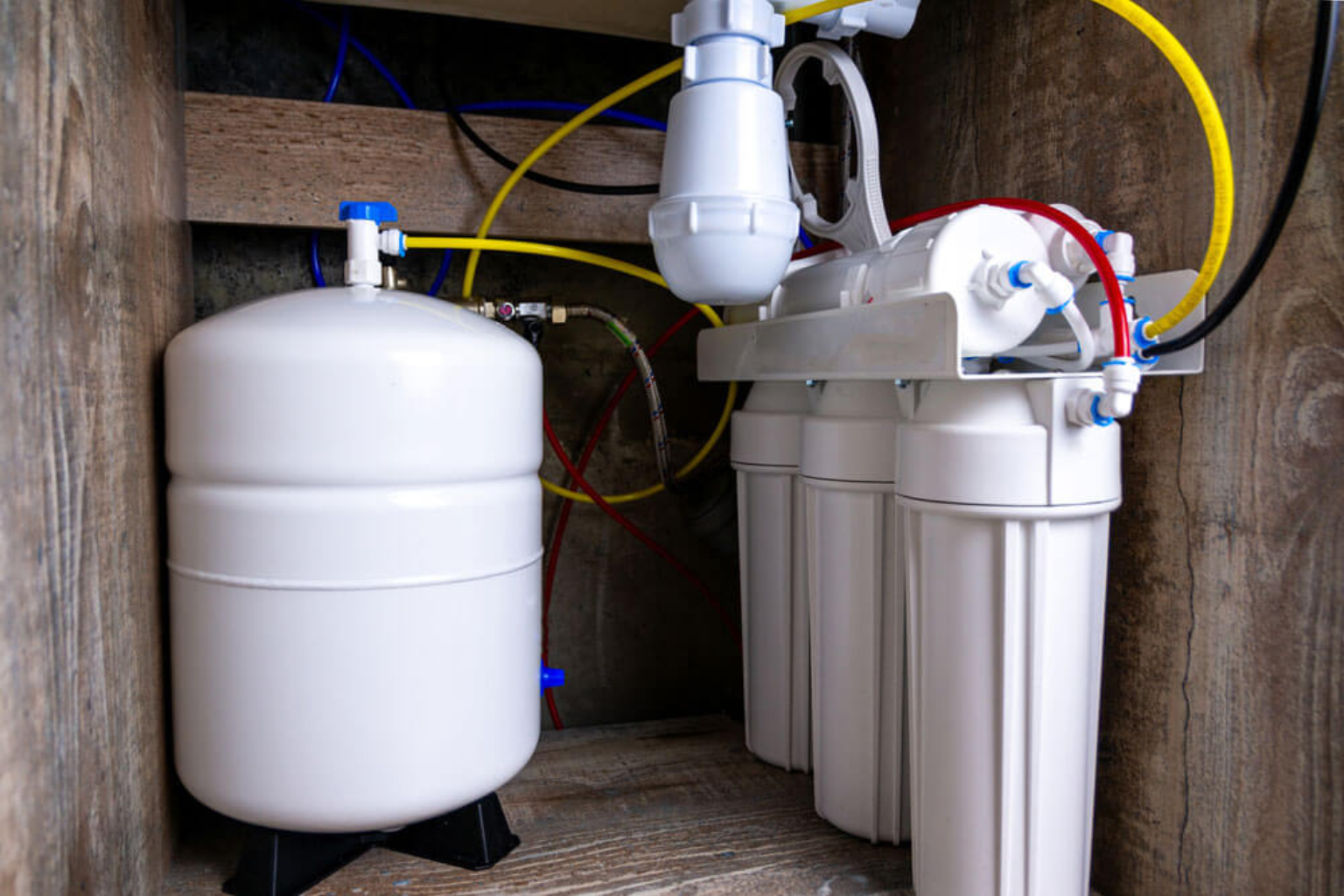
This is why many people who use reverse osmosis systems add minerals back in afterward. Pure isn’t always better — balanced is.
Taste, Health, and the Middle Ground
Here’s where things get interesting. Most people prefer water in the 150–300 ppm range. It’s the sweet spot where water tastes clean but still has body. This range often includes naturally occurring minerals that support hydration without overwhelming your palate.
This is why some bottled mineral waters proudly display their TDS levels. They’re not hiding it — they’re advertising it. They want you to know their water isn’t stripped down or artificially flat.
That said, higher TDS doesn’t automatically mean healthier. It just means there’s more dissolved material present. If that material comes from natural minerals, great. If it comes from contaminants, not so great.
That’s why TDS should be treated as a starting point, not a verdict.
Testing Your Own Water (And Why It’s Eye-Opening)
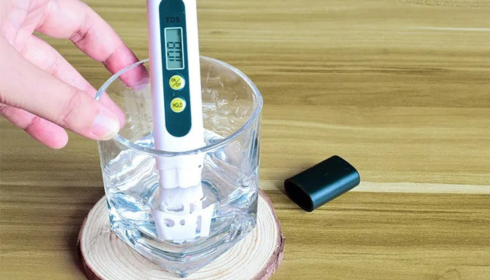
One of the simplest things you can do is test your water at home. A digital TDS meter is cheap, easy to use, and surprisingly addictive. You dip it in your tap water, bottled water, filtered water — suddenly you’re comparing numbers like a sommelier.
What surprises most people is how different water sources can be. Your tap might test higher than bottled. Your purifier might lower TDS dramatically. Some bottled brands marketed as “pure” might have higher numbers than expected.
The goal isn’t to chase the lowest number. The goal is to understand what you’re drinking and decide if it works for you.
Should You Be Worried About TDS?
Not necessarily.
If your water tastes good, doesn’t leave residue everywhere, and meets safety standards, your TDS level is probably fine. But if you notice strange flavors, scale buildup, dry skin, or appliance issues, TDS is worth paying attention to.
High TDS can contribute to limescale, clogged pipes, and inefficient appliances. Low TDS can lead to flat taste and less satisfying hydration. Like most things in life, balance is key.
Water doesn’t need to be perfect. It just needs to be safe, pleasant, and something you actually enjoy drinking.
The Bigger Picture
It’s funny how something so basic can become so complex once you start asking questions. TDS isn’t a scare tactic, and it’s not a marketing gimmick either. It’s simply a tool — one way to understand water quality without needing a chemistry degree.