Ever poured yourself a tall glass of water, taken a sip, and thought, “Ahh, that’s clean”? Maybe it tasted crisp. Maybe not. Maybe it smelled… okay-ish? The truth is, water isn’t just H₂O. There’s more swimming in there than meets the eye. Minerals, salts, metals—tiny particles that are invisible but not insignificant. That’s where TDS comes in.
If you’ve heard someone mention “TDS of water” and you just nodded along pretending to know what they meant, you’re not alone. But stick around, because this is something every household should know—especially if you’re serious about health, taste, or just being a little more aware of what you consume.
So, What Is TDS of Water, Anyway?
Let’s start at the beginning. TDS of water refers to Total Dissolved Solids. That’s a fancy way of saying: the total amount of tiny substances floating around in your glass—things like calcium, magnesium, sodium, potassium, chlorides, sulfates, and even trace amounts of metals.
These solids are dissolved, meaning they’re too small to see. But they’re there. Some are good for you (hello, calcium), some are neutral, and a few can be downright harmful if the levels get too high.
TDS doesn’t tell you exactly what is in your water, just how much is in there. Think of it like a calorie count on a food label. High or low gives you a hint—but not the whole picture.
Why Should You Care? You Might Be Drinking Too Much (or Too Little)
It’s tempting to assume clear water = clean water. But that’s a risky bet. While high TDS doesn’t always mean “bad,” it can mess with taste and smell. Ever had water that tastes metallic or salty? That’s probably the TDS making itself known.
Too little TDS, on the flip side, can also be a problem. You know those zero-TDS purified waters that some filters produce? They strip out everything—even the minerals your body actually needs. So if you’re drinking “pure” water but constantly feeling sluggish or having cramps, you might be missing out on those trace elements.
It’s all about balance. Just like in food, the right mix of ingredients makes all the difference.
Breaking It Down: The Full Form of TDS Water
Let’s take a moment for clarity. The full form of TDS water is “Total Dissolved Solids in Water.” Simple and straightforward, but with big implications.
This isn’t some new-age science buzzword. Government agencies across the globe—like the Environmental Protection Agency (EPA) in the U.S. or the Bureau of Indian Standards (BIS)—use TDS as a parameter to assess water quality. They’ve set a general limit of 500 mg/L for drinking water. Some countries go up to 1000 mg/L, depending on the natural composition of local water sources.
Again, the number itself isn’t the villain. But it’s like a speedometer—it tells you how fast things are going, and whether you should start slowing down or hit the brakes.
How Do You Know Your TDS?
Here’s the good news: checking your water’s TDS is ridiculously easy.
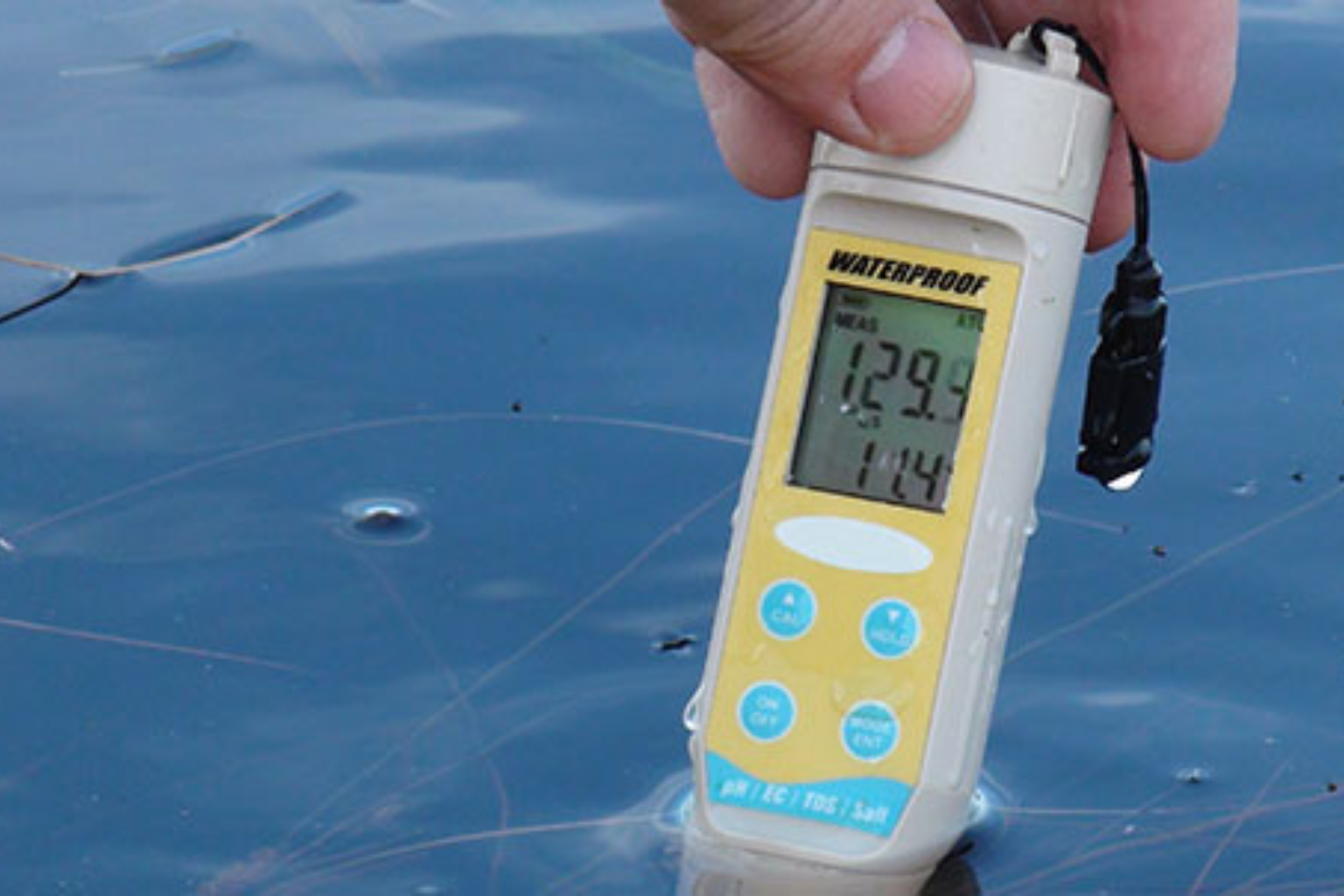
You can buy a digital TDS meter online for under $10. Just dip it in your glass of water and wait for the number to flash. Boom—you’ve got a reading.
Here’s a rough scale for reference:
- 0–50 mg/L: Ultra-pure water, mostly used in labs. Not great for daily drinking.
- 50–150 mg/L: Ideal for drinking. Balanced and fresh.
- 150–300 mg/L: Acceptable, with mild mineral presence.
- 300–500 mg/L: Still drinkable, but getting on the higher side.
- 500+ mg/L: Time to ask questions. What exactly is in your water?
If your TDS reading is high, it doesn’t automatically mean your water’s unsafe. But it does suggest you dig deeper.
So, What’s a Good TDS Value of Water?
Let’s make this practical. The TDS value of water considered “ideal” for drinking usually falls between 50 and 150 mg/L. This range offers a good balance—there’s enough mineral content to nourish your body, but not so much that it tastes weird or clogs your appliances.
This range also tends to go easy on kettles and coffee makers. You know that crusty white buildup on your heating coil? That’s often calcium and magnesium—both harmless, but annoying when they pile up. A balanced TDS keeps your appliances happier, longer.
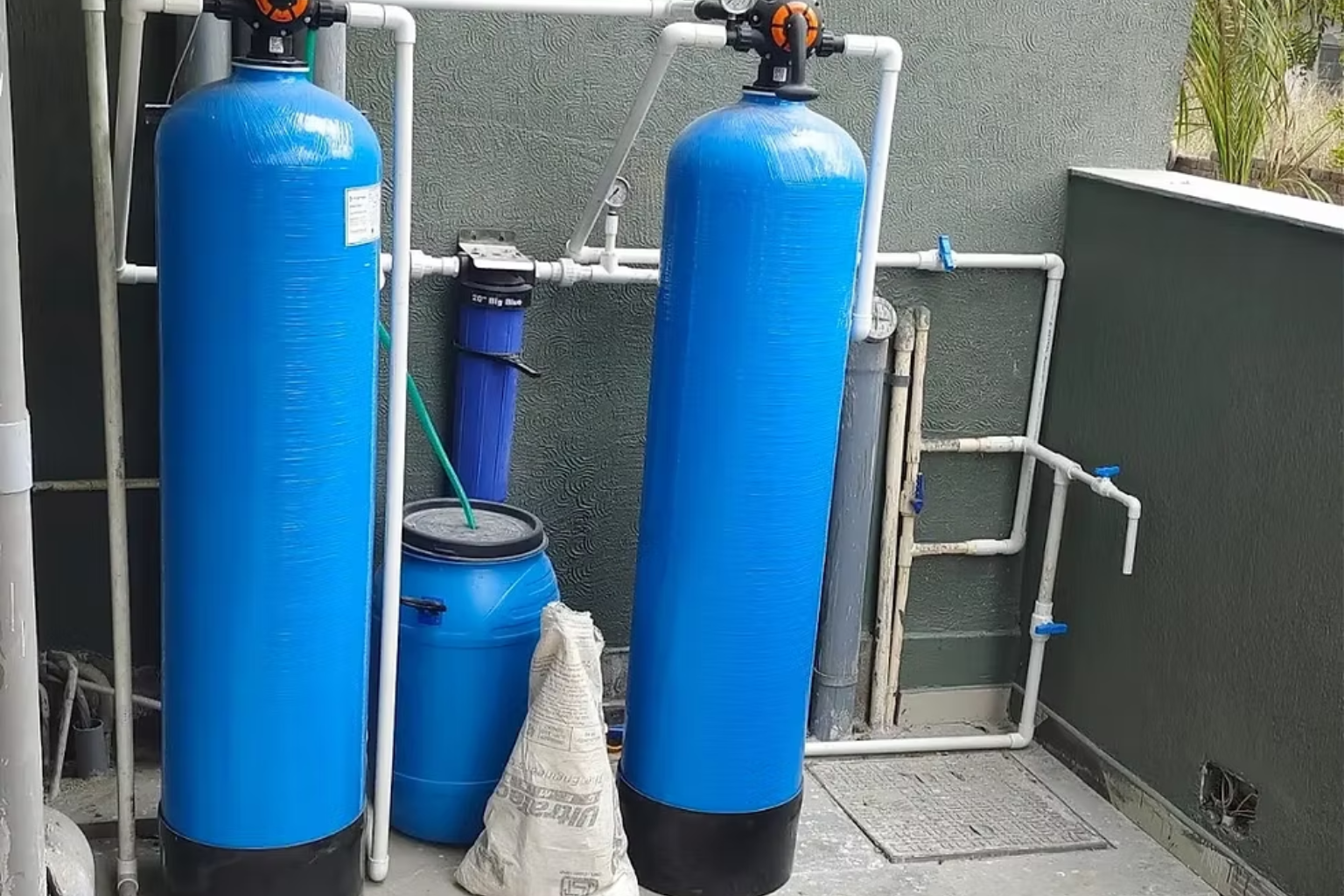
Some households, especially those using borewells or tankers, might see TDS levels over 1000. That’s not just a taste issue—it can cause long-term damage to your gut and even your kidneys. In such cases, a proper filtration system isn’t just a luxury—it’s a must.
Wait, Should I Be Filtering My Water?
In a word? Probably.
Even if your water looks and smells okay, a filter can be a good investment. It’s not just about TDS—it’s about what else might be lurking in your supply. Chlorine, pesticides, heavy metals, bacteria—stuff a TDS meter won’t detect, but a multi-stage filter can remove.
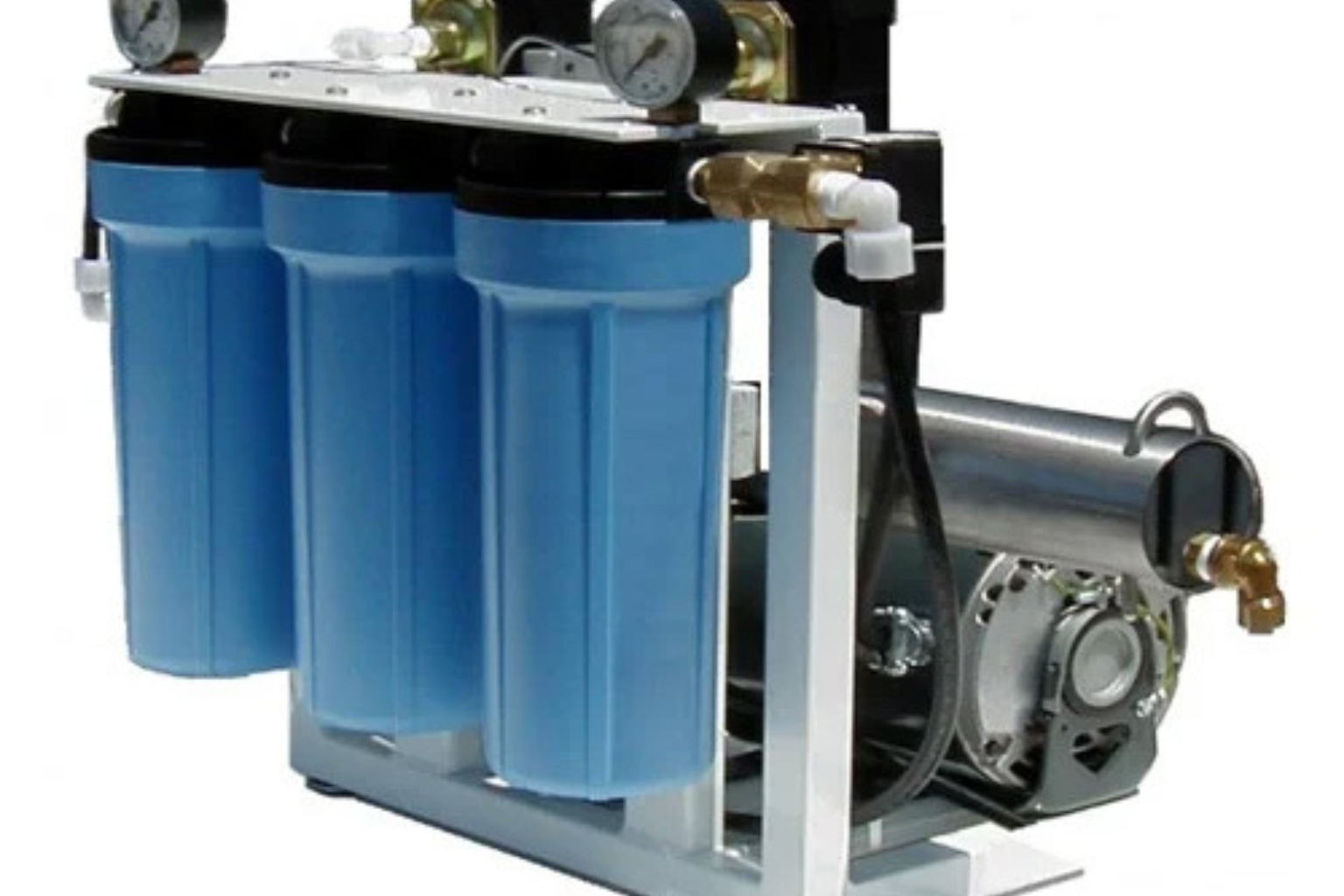
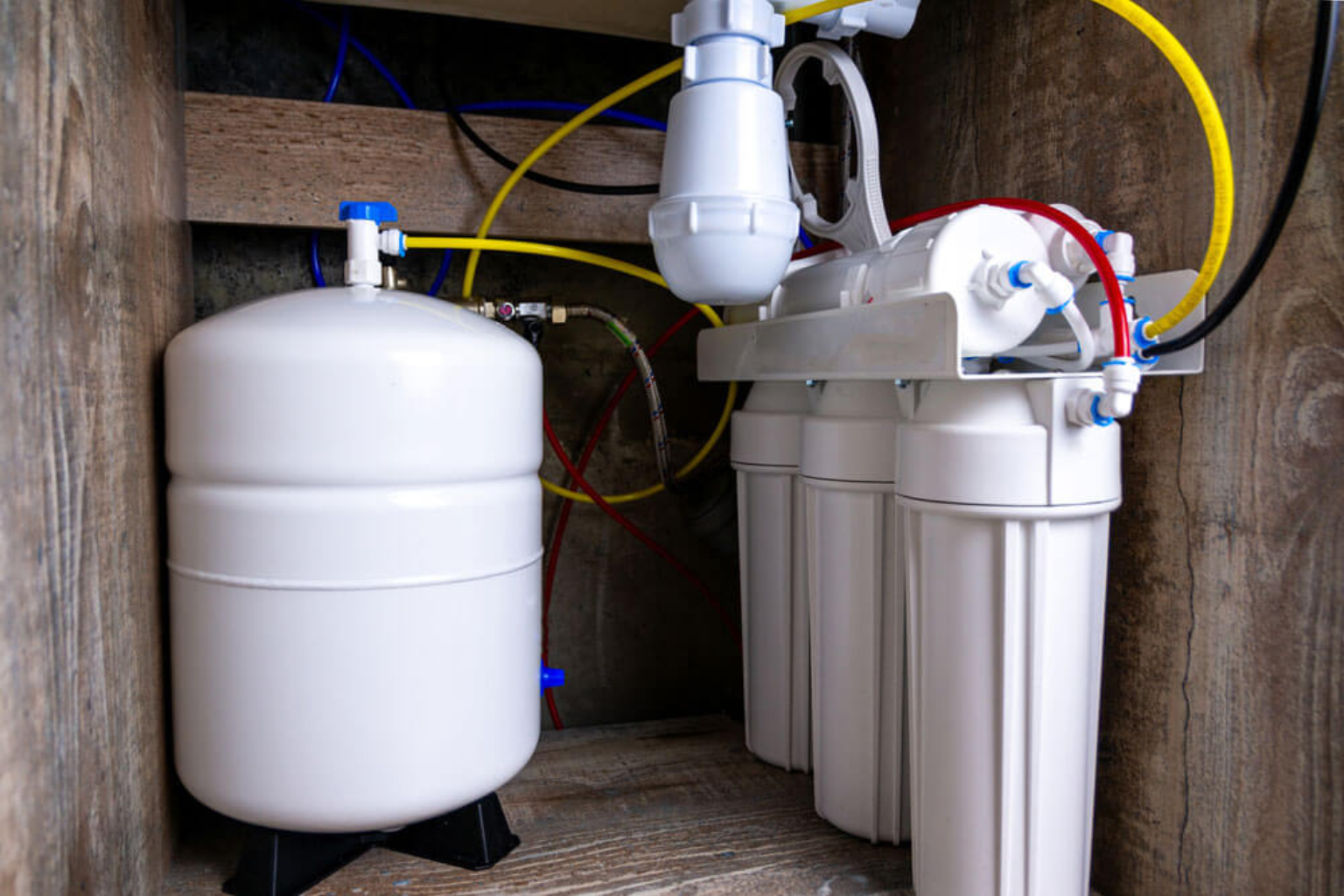
But here’s a tip: don’t blindly buy the most expensive reverse osmosis (RO) system out there. If your water already has low TDS, RO systems can over-purify, stripping out the minerals your body needs. In that case, a simple UV or activated carbon filter might be more than enough.
Get your water tested. Make an informed choice. And remember—it’s not about filtering everything, but about filtering what matters.
Tap, Bottled, or Filtered—Which Is Best?
There’s no universal answer. Bottled water is convenient but often unregulated. Tap water is cheap and accessible but depends heavily on your local source and pipeline condition. Filtered water gives you control, but it comes with maintenance.
Here’s a personal story: I used to drink bottled water religiously until I tested a few brands with a TDS meter. Some had levels over 600! Meanwhile, my filtered tap water hovered around 90—and tasted better too.
Moral of the story? Don’t assume. Test. Then trust.
Closing Thoughts: Water’s More Than Just Wet
Water keeps us alive, energized, and functioning. But like food, air, or sleep—it’s not just the quantity that counts, but the quality too.
Understanding TDS doesn’t make you a water geek. It makes you aware. And in today’s world, that awareness can protect your family, extend the life of your appliances, and even save you money in the long run.