It’s rarely obvious at first.
A faint rust-colored ring around the sink. A smell that lingers just long enough to make you pause. Laundry that doesn’t look quite as bright as it should, even after a full wash cycle. None of it urgent. Nothing that screams for attention.
But over time, these little signs start to feel less random and more… connected.
And that’s usually when you realize—your water might be trying to tell you something.
The Stains That Don’t Quite Go Away
Let’s start with something most people have seen at least once.
Those reddish-brown stains that appear in sinks, tubs, or even on freshly washed clothes. You clean them, they fade a bit, and then—almost like clockwork—they return.
That’s often linked to iron in your water. It’s naturally occurring, especially in groundwater sources, and while it’s not always harmful, it does leave a mark.
This is where iron stain prevention becomes more than just a cleaning task. It’s about addressing the root cause instead of scrubbing the same spot over and over again.
Because no one wants to feel like they’re fighting a losing battle with their own water.
When Water Carries a Smell You Can’t Ignore
Then there’s the smell.
If you’ve ever turned on a tap and noticed a sulfur-like odor—something close to rotten eggs—you know how unsettling it can be. It doesn’t matter if the water is technically safe. The experience alone is enough to make you hesitate before using it.
This is usually caused by hydrogen sulfide gas, which can naturally occur in certain water supplies.
Managing it often comes down to sulfur smell control—removing that odor so your water feels neutral again. Not perfumed, not masked—just clean and unnoticeable.
Because water shouldn’t make you second-guess something as simple as washing your hands or filling a glass.
How These Issues Quietly Shape Your Routine
What’s interesting is how these problems don’t stay isolated.
They ripple outward.
You might start avoiding tap water for drinking. Maybe you rely more on bottled water than you’d like. You use extra detergent, extra cleaning products, extra effort—just to compensate for what your water is leaving behind.
And slowly, that becomes your routine.
You don’t even realize how much you’ve adjusted until you step back and think about it.
It’s Not Just About Appearances
While stains and smells are the most noticeable signs, they’re not the whole story.
What’s happening beneath the surface matters too.
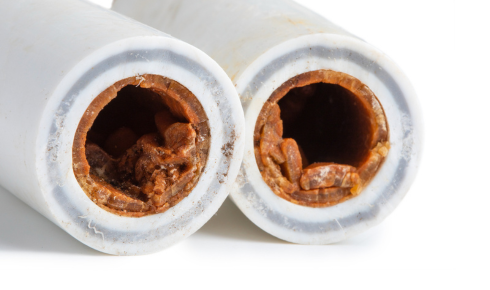
Minerals and gases in your water can interact with plumbing, fixtures, and appliances in ways that aren’t immediately visible. Over time, they can contribute to buildup, wear, and reduced efficiency.
This is where thinking about healthier household water becomes important. Not just in terms of what you drink, but how water affects your entire home environment.
It’s about creating consistency—water that feels the same, day after day, without surprises.
The Small Changes That Make a Big Difference
When water quality improves, the changes don’t come all at once.
They show up gradually.
Your sink stays cleaner for longer. Your laundry looks brighter without extra effort. The smell disappears, and suddenly, you’re not thinking about your water at all.
And that’s the goal, really.
Good water doesn’t draw attention to itself. It just works.
You don’t have to adjust your habits or work around it. You simply go about your day, and everything feels a little easier.
Breaking the Cycle of Constant Cleaning
One of the most frustrating parts of water-related issues is how repetitive they are.
Clean the stain, it comes back. Deal with the smell, it lingers. Adjust your routine, but nothing really changes.
It can feel like you’re always one step behind.
But when you address the source of the problem—what’s actually in your water—that cycle starts to break. You’re no longer reacting to symptoms. You’re preventing them.
And that shift makes a noticeable difference.
A Simpler Way to Think About Water
It’s easy to overcomplicate water quality. With so many systems, options, and technical terms, it can feel overwhelming to even begin.
But at its core, it’s simple.
Understand what’s in your water. Choose a solution that fits your needs. Let it do its job.
You don’t need to chase perfection. You just need to remove the elements that are causing problems.
And once you do, everything else starts to fall into place.
The Moment You Realize It Was Worth It
Here’s the part people don’t always expect.
After your water improves, you stop noticing it at home. It becomes your baseline. Your new normal.
But then you go somewhere else—a hotel, a friend’s house—and suddenly, those old issues stand out again. The smell, the stains, the subtle discomfort.
And that’s when it clicks.
You weren’t imagining those problems before. You had just gotten used to them.
A Quiet Upgrade That Changes Everything
In the end, improving your water isn’t about making a big, dramatic change.
It’s about removing the small frustrations that quietly affect your day.
The stains that keep coming back. The smell that lingers a little too long. The feeling that something isn’t quite right.
When those disappear, your home feels different.
Not louder. Not flashier.
Just… smoother.
And sometimes, that’s all you really need.