Let’s talk about something that doesn’t usually get much attention: your water heater. Yep, that box tucked away in a closet or garage that quietly keeps your showers hot and your dishes clean. But here’s the thing—while we’ve all gotten used to the old-fashioned tank, the world has moved on. Today, energy efficient water heaters are changing the game for homeowners, not just in terms of utility savings, but in comfort, space, and reliability.
There’s a good chance your current system is guzzling more power than it needs to, especially if it’s over a decade old. And if you’ve ever run out of hot water mid-shower, you know it’s not exactly a small inconvenience. So why are so many folks still clinging to the outdated standard?
Hot Water Without the Hassle
Here’s what’s wild—most traditional water heaters work by heating a large tank of water constantly. Even when you’re not home. Even when you’re asleep. That’s like leaving your car engine running in case you need to go somewhere. Wasteful, right?
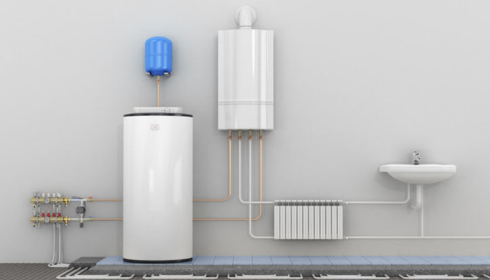
That’s where tankless systems (also called on-demand systems) step in. These smart units only heat water when you actually need it. No storage tanks. No standby heat loss. Just hot water, when and where you want it.
Understanding Your Options
So, what kind of tankless system makes sense for your home? Generally, there are two main types: gas and electric. Both have their perks, but what works for your neighbor might not be ideal for your household.
Let’s start with gas tankless systems. These are known for delivering a high flow rate, which makes them ideal for larger families or homes where multiple showers, dishwashers, or washing machines may be running at the same time. They’re powerful, fast, and incredibly efficient—especially when paired with a proper ventilation system.
The downside? Installation can be a bit more complex, especially if your home doesn’t already have a natural gas line. Still, for those who can swing it, the long-term energy savings and endless hot water often justify the upfront investment.
When Electric Makes Sense
Now, if you’re in a smaller home or apartment—or you just don’t want to mess with gas lines—electric tankless systems could be your best friend. They’re usually easier to install, require less space, and work well in moderate climates or in homes with fewer hot water demands.
They might not crank out the gallons per minute that gas units can, but they’re consistent, quiet, and can still save a chunk on your monthly bill—especially when paired with solar or other renewable energy sources. Plus, they’re often cheaper upfront, which is always a bonus if you’re remodeling on a budget.
What About Energy Efficiency?
Let’s cut through the noise: If your home is running on an old-school tank model, you’re probably wasting a fair bit of money on your energy bills. Modern tankless heaters, regardless of type, boast efficiency ratings of 90% and up—sometimes higher. That means more of the energy they use actually goes toward heating your water, rather than disappearing into thin air (or, worse, your utility company’s pockets).
If you’re serious about reducing your carbon footprint—or just tired of sky-high power bills—upgrading to one of the newer energy efficient water heaters is a no-brainer. You’ll use less power, waste less water, and feel better every time you crank that shower handle.
Comfort Meets Convenience
Energy savings aside, let’s not forget the real-world comfort these systems bring. Ever had to schedule your shower around someone else’s? Or waited half an hour after laundry for hot water to return? Those days are gone with tankless units.
Whether you’re trying to prep for work during a hectic Monday morning or just want a peaceful, uninterrupted soak in the tub, having on-demand hot water feels like a little luxury that quickly becomes something you can’t live without.
Installation: Know Before You Dive In
One word of advice—don’t DIY this. Installation matters. Improper sizing, poor ventilation, or missed connections can turn your dream upgrade into a plumbing nightmare. A certified technician can guide you on what system fits your water usage, home layout, and energy goals.
Also, look into local rebates or incentives. Many cities and utility companies offer financial perks for homeowners upgrading to eco-friendly systems.
Worth the Investment?
Let’s be honest: going tankless isn’t the cheapest upgrade you’ll ever make. But it’s one of those decisions that pays for itself over time—through lower energy bills, longer appliance lifespan, and just less day-to-day hassle.
And think about this: a system that gives you hot water when you need it, without waste, without the wait, and without constant cycling? That’s smart. That’s modern. That’s the future.
The Verdict
We’re in an age where everything is getting smarter—our phones, thermostats, even refrigerators. Why should your water heater be stuck in the 1990s? Whether you go with gas tankless systems for power or electric tankless systems for simplicity, you’ll be upgrading your home’s performance and comfort in a real, tangible way.
So, the next time your water runs cold, maybe it’s not just a bad moment—it’s a sign. A sign that your home deserves better.