Most people install a water softener expecting it to quietly solve hard water problems forever — but like any hardworking system, it needs a little attention to stay reliable over time.
There’s something comforting about appliances that do their job without making noise or demanding attention. Water softeners fall perfectly into that category. Once installed, they disappear into the background of daily life, silently improving water quality without much fuss.
Until one day, things start to feel… off.
Soap stops lathering the way it used to. Glassware develops faint spots again. Showers leave your skin feeling slightly dry instead of smooth. Nothing dramatic — just subtle changes that creep in gradually.
For many homeowners, these signs come as a surprise because they assumed the system would run perfectly forever. But like any mechanical setup, water softeners rely on maintenance to stay effective.
And one of the most overlooked parts of that maintenance involves something most people never even think about: the resin inside the system.
Why Resin Is the Heart of the Softening Process
Inside every water softener is a bed of tiny resin beads. These beads are responsible for capturing hardness minerals like calcium and magnesium from the water as it flows through.
Over time, the resin does an incredible amount of work — constantly absorbing minerals and then releasing them during regeneration cycles.
But here’s the thing: resin doesn’t stay pristine forever.
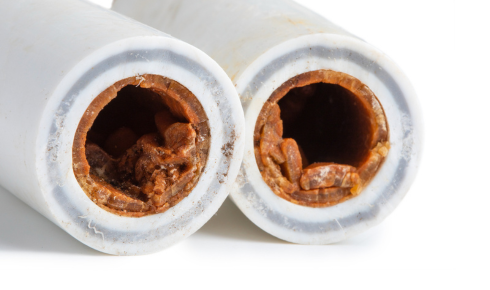
Iron deposits, sediment, and organic matter can gradually coat the beads, reducing their ability to function efficiently. It’s not something you’ll notice overnight, but the impact builds slowly over months and years.
This is why resin cleaning plays such an important role in maintaining a water softener’s effectiveness.
What Happens When Resin Gets Dirty
When resin becomes coated with impurities, it struggles to exchange minerals properly. The result? Hardness starts sneaking back into the water supply, even though the system appears to be running normally.
You might notice:
- White scaling returning on faucets
- Soap not dissolving easily
- Laundry feeling stiff
- Water spots appearing on dishes
These symptoms often lead homeowners to assume something major has failed — when in reality, the issue might simply be buildup within the resin bed.
Cleaning the resin periodically helps restore its ability to perform its core function.
The Surprising Impact on Long-Term Performance
Neglecting resin maintenance doesn’t just affect water quality in the short term. It can significantly influence the system lifespan as well.
When resin struggles to function efficiently, the entire softener works harder to compensate. Regeneration cycles may occur more frequently, consuming extra salt and water. Internal components experience increased strain, leading to premature wear.
Over time, this added stress can shorten the life of the system, resulting in costly repairs or replacement much earlier than expected.
On the other hand, keeping the resin clean helps maintain optimal performance and extends the system’s durability.
How Often Should Resin Be Cleaned?
There’s no universal schedule for resin maintenance, since water quality varies from one location to another. Homes with high iron content or sediment-heavy water may require more frequent cleaning.
In general, many experts recommend cleaning the resin bed once or twice a year. Some homeowners do it more often if they notice early signs of reduced performance.
The process itself is usually simple, involving specialized cleaning solutions designed specifically for water softener resin.
It’s not complicated — but it’s often overlooked because the need isn’t immediately obvious.
Why Maintenance Supports Reliable Operation
A water softener functions best when all its components work together smoothly. When the resin is clean and regeneration cycles run properly, the system maintains consistent performance without requiring excessive resources.
This balance is essential for proper operation, ensuring that water remains soft while minimizing waste and energy use.
Think of it like maintaining a car engine. Regular servicing doesn’t just prevent breakdowns — it ensures efficiency, reliability, and smoother performance overall.
Water softeners are no different.
Small Warning Signs Worth Paying Attention To
Many homeowners wait until problems become obvious before investigating their softener. But catching early warning signs can prevent bigger issues later.
Some subtle clues include:
- Water feeling slightly harder than usual
- Increased salt consumption
- Slower regeneration cycles
- Faint discoloration in the brine tank
These signals often indicate that maintenance — especially resin cleaning — may be overdue.
Addressing them early can restore performance quickly and prevent long-term damage.
Building a Routine That Keeps Things Running Smoothly
The good news is that maintaining a water softener doesn’t require technical expertise. It’s mostly about consistency and awareness.
Checking salt levels regularly, cleaning the brine tank periodically, and scheduling occasional resin maintenance are usually enough to keep the system functioning efficiently for years.
Many homeowners find it helpful to treat these tasks as seasonal maintenance — simple habits that become routine over time.
Once incorporated into regular home care, they rarely feel burdensome.
The Bigger Picture: Comfort, Savings, and Reliability
A well-maintained water softener quietly improves daily life in countless ways. Showers feel more refreshing. Appliances run more efficiently. Cleaning becomes easier. Plumbing systems stay protected from mineral buildup.
These benefits may seem subtle individually, but together they create a noticeable improvement in comfort and convenience.
And maintaining the system ensures those benefits continue without interruption.
The Bottom Line: A Little Care Goes a Long Way
Water softeners are designed to work quietly and reliably for many years — but they can’t do it alone. Like any hardworking system, they depend on occasional attention to stay effective.
Understanding the importance of resin maintenance is one of the simplest yet most impactful steps homeowners can take.