There’s something quietly powerful about turning on a tap and not thinking twice. The water runs clear. It tastes neutral. Your appliances hum along without protest. No strange odors, no crusty buildup around fixtures, no guessing whether that cloudy glass just came out of the dishwasher or needs another rinse.
Water is one of those background essentials we barely notice when it’s working well. But when it isn’t? Suddenly it’s everywhere—on your shower door, inside your kettle, lingering in the taste of your morning coffee.
That’s often the moment homeowners start exploring solutions. And somewhere in that process, many discover that generic fixes don’t always solve specific problems. Water varies from home to home. So should the approach.
The Reality: Not All Water Is the Same
Even within the same city, water can behave differently from one house to the next. Aging pipes, plumbing layouts, local mineral deposits—these details matter.
One household may struggle with hard water scale, while another deals with chlorine taste or sediment after heavy rainfall. Trying to solve both with a single off-the-shelf filter can feel like using duct tape for a plumbing issue. It might help a little, but it won’t address the root cause.
This is where tailored water systems come into play. Instead of forcing a one-size-fits-all device into your plumbing, a tailored setup considers what’s actually happening in your home.
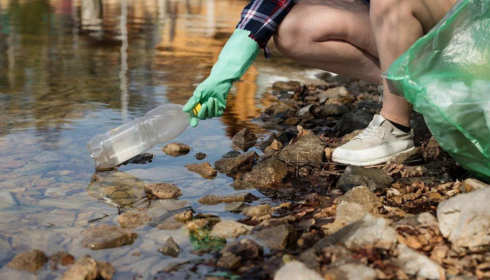
It starts with testing. Understanding mineral levels, sediment content, and chemical presence removes the guesswork. From there, the system can be designed around your specific water profile—not someone else’s.
What Improved Water Actually Feels Like
It’s easy to talk about technical specifications and contaminant lists, but what does better water really mean in daily life?
For many people, it starts with improved water quality that you can taste and feel. Coffee tastes smoother. Ice cubes look clearer. Showers feel less drying. Soap lathers more easily, which means you use less of it.
Even laundry can benefit. Towels may feel softer. Fabrics last longer without mineral buildup clinging to fibers.
It’s not dramatic. It’s steady. A series of small improvements that make routines a little easier.
And those small improvements add up over time.
The Hidden Cost of Untreated Water
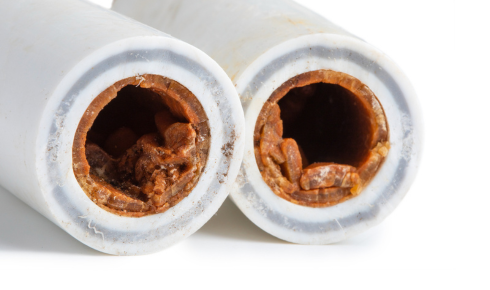
Hard water scale doesn’t just appear on faucets—it forms inside appliances. Water heaters, dishwashers, and washing machines all suffer when minerals accumulate.
Over time, this buildup reduces efficiency and increases energy use. Heating elements strain. Pipes narrow slightly. Performance gradually declines.
Many homeowners don’t realize how much untreated water affects their home until they notice fewer repairs and less cleaning once treatment is in place.
That’s the practical benefit of reduced maintenance. When water flows cleaner and softer, appliances work closer to their intended performance levels. Fewer service calls. Fewer surprise breakdowns.
It’s the kind of benefit that doesn’t grab attention—but it saves both time and money.
Building a System That Makes Sense
Designing the right setup doesn’t mean installing the most advanced or expensive equipment. It means identifying priorities.
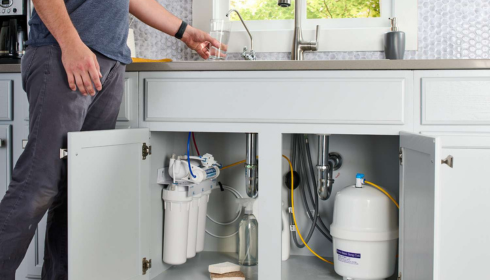
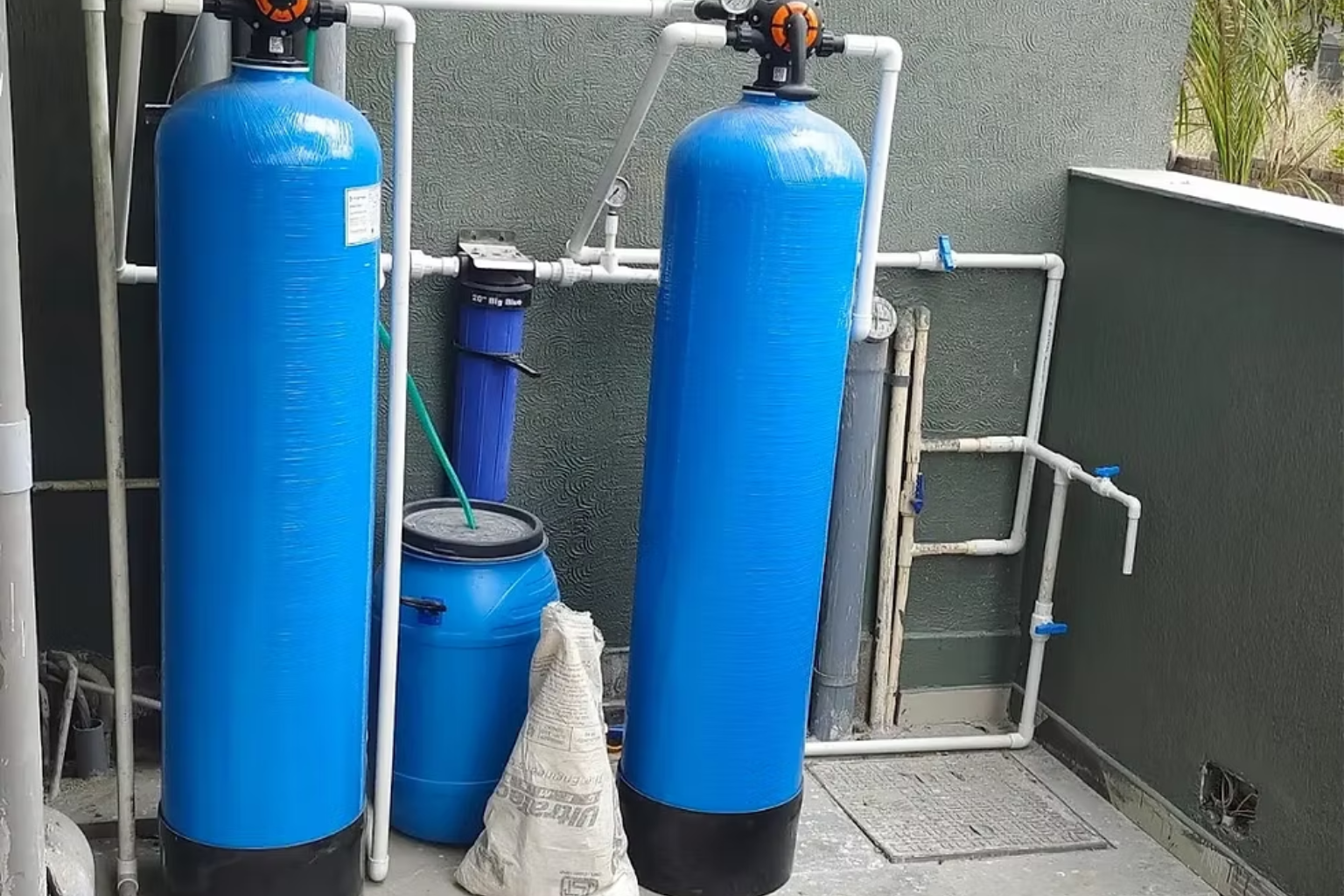
If hardness is the primary issue, a softener might be enough. If chlorine taste bothers you, a carbon filter may solve the problem. If sediment fluctuates seasonally, a pre-filter can protect downstream systems.
The beauty of customization is balance. You treat what needs treating and leave the rest alone.
And when components are selected thoughtfully, they work together instead of competing.
Maintenance: A Simple Commitment
Even the best-designed system requires upkeep. Filters need replacement. Salt levels must be checked. Periodic inspections keep everything operating smoothly.
The good news? Maintenance is usually predictable and manageable. Setting reminders or working with a service provider simplifies the process.
Consistency is what keeps performance steady.
Long-Term Value Over Quick Fixes
It’s tempting to chase quick solutions. A faucet-mounted filter here. A bottled water delivery there.
But long-term thinking often leads to more sustainable results. Treating water at its source reduces reliance on temporary fixes. It minimizes waste and cuts down on plastic consumption.
Financially, the value reveals itself gradually. Lower energy use. Fewer appliance repairs. Reduced cleaning product consumption.
It’s not about instant savings—it’s about smarter systems.
A More Comfortable Home Environment
There’s also an emotional side to better water. Confidence matters. Knowing that what flows from your tap is consistent and reliable creates peace of mind.
You stop second-guessing the taste of your water. You stop scrubbing stubborn mineral spots every weekend. You stop worrying about what’s building up inside your plumbing.
And that quiet reassurance makes a difference.
Final Thoughts
Water flows through nearly every moment of daily life—cooking, cleaning, bathing, drinking. When it works well, you barely notice. When it doesn’t, it affects more than you expect.
Choosing a system tailored to your home isn’t about overengineering. It’s about thoughtful problem-solving. Understanding your water. Addressing real concerns. Maintaining the solution consistently.
Because at the end of the day, the goal isn’t perfection. It’s ease.
And sometimes, the smartest improvements are the ones that quietly make life simpler—one clear glass at a time.