Most of us don’t question our water until it gives us a reason to. It’s one of those quiet essentials—always there, always expected to just work. But every now and then, something shifts.
Maybe your tap water has a slightly metallic taste. Or your fixtures start showing signs of wear sooner than they should. Sometimes it’s even subtler—your skin feels a bit drier, your tea tastes a bit sharper, your pipes make a noise they didn’t before.
It’s easy to ignore at first. But water has a way of leaving clues. And when you start paying attention, those clues begin to tell a story.
What’s Really Happening Inside Your Water
Water isn’t just a clear liquid flowing through your home. It carries minerals, gases, and sometimes even slight imbalances that can affect how it behaves.
One of the more overlooked issues is water acidity. When water is slightly acidic, it doesn’t just taste different—it interacts with your plumbing. Over time, it can cause pipes to corrode, leading to metallic flavors and even long-term damage.
It’s not something you see happening. But you feel the effects in small, persistent ways.
Why Addressing pH Levels Matters More Than You Think
Balancing your water’s pH isn’t just about improving taste—it’s about protecting your home.
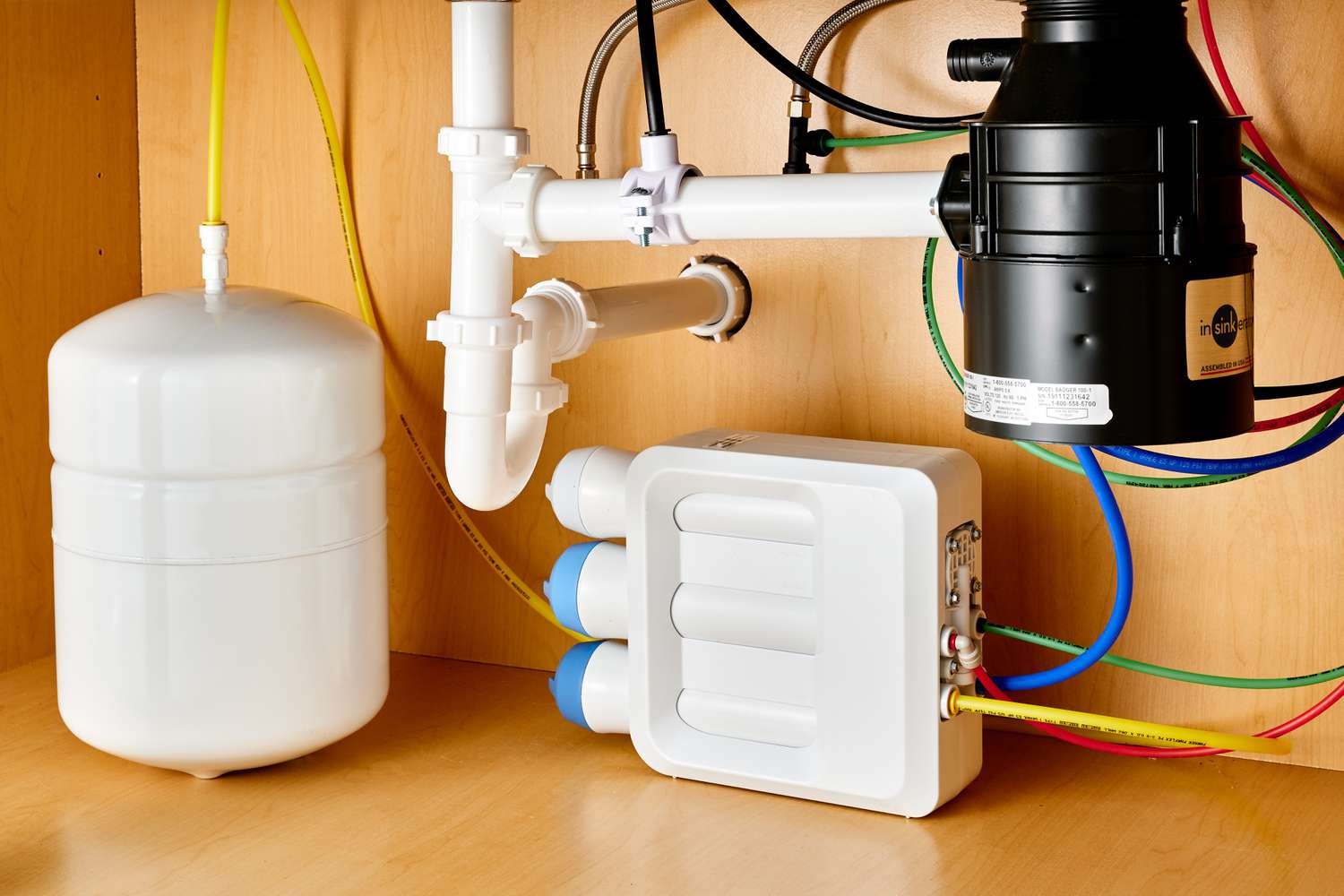
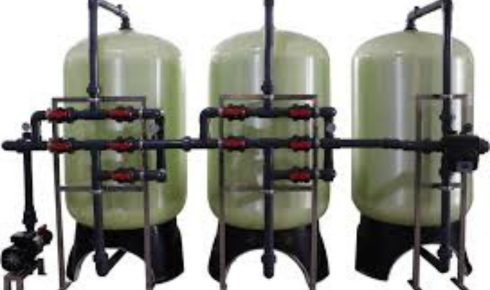
That’s where neutralizer tanks come into the picture. These systems are designed to raise the pH level of acidic water, making it less aggressive as it flows through your pipes.
The result? Water that feels smoother, tastes more balanced, and behaves more predictably.
It’s not a flashy solution. But it quietly solves a problem that many homeowners don’t even realize they have.
The Hidden Cost of Ignoring Corrosion
When water is slightly acidic or chemically unbalanced, it can slowly wear down your plumbing system. This process doesn’t happen overnight. It’s gradual—almost unnoticeable at first.
But over time, the impact becomes clear. Pipes weaken. Fixtures lose their finish. Appliances that rely on water start to show signs of stress.
That’s why improving corrosion resistance is such an important part of water treatment. By stabilizing your water, you’re not just improving how it feels—you’re protecting the systems that keep your home running.
And honestly, that kind of protection pays off in ways you don’t always see immediately.
When Filtration Needs to Keep Up With Your Lifestyle
Not all water issues are about acidity. Sometimes, it’s about volume and demand.
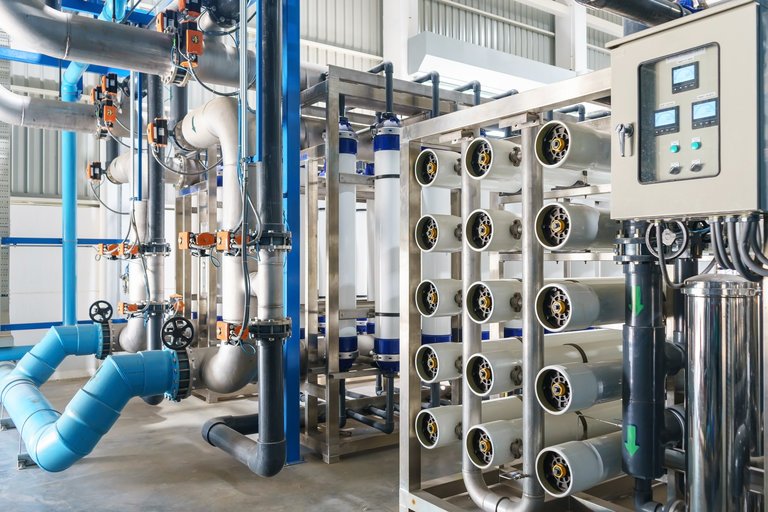
In busy households, water is used constantly—showers, laundry, cooking, cleaning. And if your filtration system isn’t built to handle that demand, it can struggle to keep up.
That’s where high capacity filters make a difference. They’re designed to process larger amounts of water without sacrificing performance, ensuring consistent quality throughout the day.
It’s not something you notice when it’s working well. But when it’s not, the difference is hard to ignore.
The Subtle Improvements You Start to Appreciate
Once your water is properly balanced and filtered, the changes don’t come all at once. They show up in everyday moments.
Your water tastes more neutral. Your fixtures stay cleaner longer. Your appliances seem to run more smoothly. Even your showers feel more comfortable, though you might not be able to explain exactly why.
These are small improvements, but they add up. And over time, they create a home environment that feels more reliable, more consistent.
Why One Solution Isn’t Always Enough
Water issues rarely exist in isolation. You might be dealing with acidity, sediment, and mineral content all at once. Or a combination of smaller issues that together create a bigger problem.
That’s why a layered approach often works best. Not overly complicated, but thoughtful—addressing each issue with the right solution.
It’s not about adding more systems. It’s about adding the right ones.
Keeping It Practical, Not Overwhelming
Water treatment can feel technical, especially when you start looking into different options. But it doesn’t have to be overwhelming.
The key is understanding your water first. What’s actually in it? What’s causing the issues you’re experiencing?
Once you have that clarity, the solutions become much easier to navigate. You’re not guessing. You’re making informed decisions.
And that makes all the difference.
Why Most People Wait Longer Than They Should
Water problems don’t demand attention the way other home issues do. They don’t break suddenly or cause immediate disruption.
Instead, they linger. They show up in small inconveniences that are easy to adapt to.
So people wait. They adjust. They live with it.
Until one day, those small issues start to feel bigger than they should.
A Quiet Upgrade That Changes Everything
Fixing your water doesn’t feel like a major renovation. There’s no dramatic transformation, no big reveal.
It’s a quiet upgrade.
Water starts behaving the way you expect it to. It feels balanced, clean, and reliable. Your home feels more comfortable, more predictable.
And gradually, you stop thinking about it altogether.
Final Thoughts: When Water Works the Way It Should
At its best, water should be effortless. It should support your daily life without adding friction or frustration.
If it’s not doing that, it’s worth taking a closer look.
Because once you address the underlying issues—whether it’s acidity, filtration, or capacity—the difference isn’t just in your water.
It’s in how your entire home feels.
And sometimes, that quiet improvement is exactly what you didn’t realize you needed.