There’s a moment that tends to spark curiosity about water filtration. Maybe it’s the faint chlorine smell in your tap water. Maybe your tea tastes slightly metallic, or your ice cubes carry an odd aftertaste. Nothing dramatic. Just enough to make you wonder if there’s a better way.
For many homeowners, that curiosity leads to reverse osmosis systems. They’ve been around for years, quietly sitting under kitchen sinks, doing their job without much fanfare. But if you’re considering one, it helps to understand what you’re buying — beyond the marketing buzz.
Let’s talk about what a system like the reverse osmosis model ro-1 actually offers in practical terms.
Why Reverse Osmosis Appeals to So Many People
Reverse osmosis (RO) works by pushing water through a semi-permeable membrane. That membrane filters out many dissolved solids, including certain minerals, heavy metals, and other impurities.
The appeal is straightforward: cleaner, more neutral-tasting water straight from your tap.
Unlike simple carbon filters that primarily target taste and odor, RO systems address a broader range of contaminants. They’re often chosen by homeowners who want a more comprehensive approach to water purification.
But here’s something important — not every home needs one. If your local water quality is already excellent, a basic filter may be enough. That’s why testing your water first is always wise. Data beats assumptions.
Breaking Down the Filter Stages
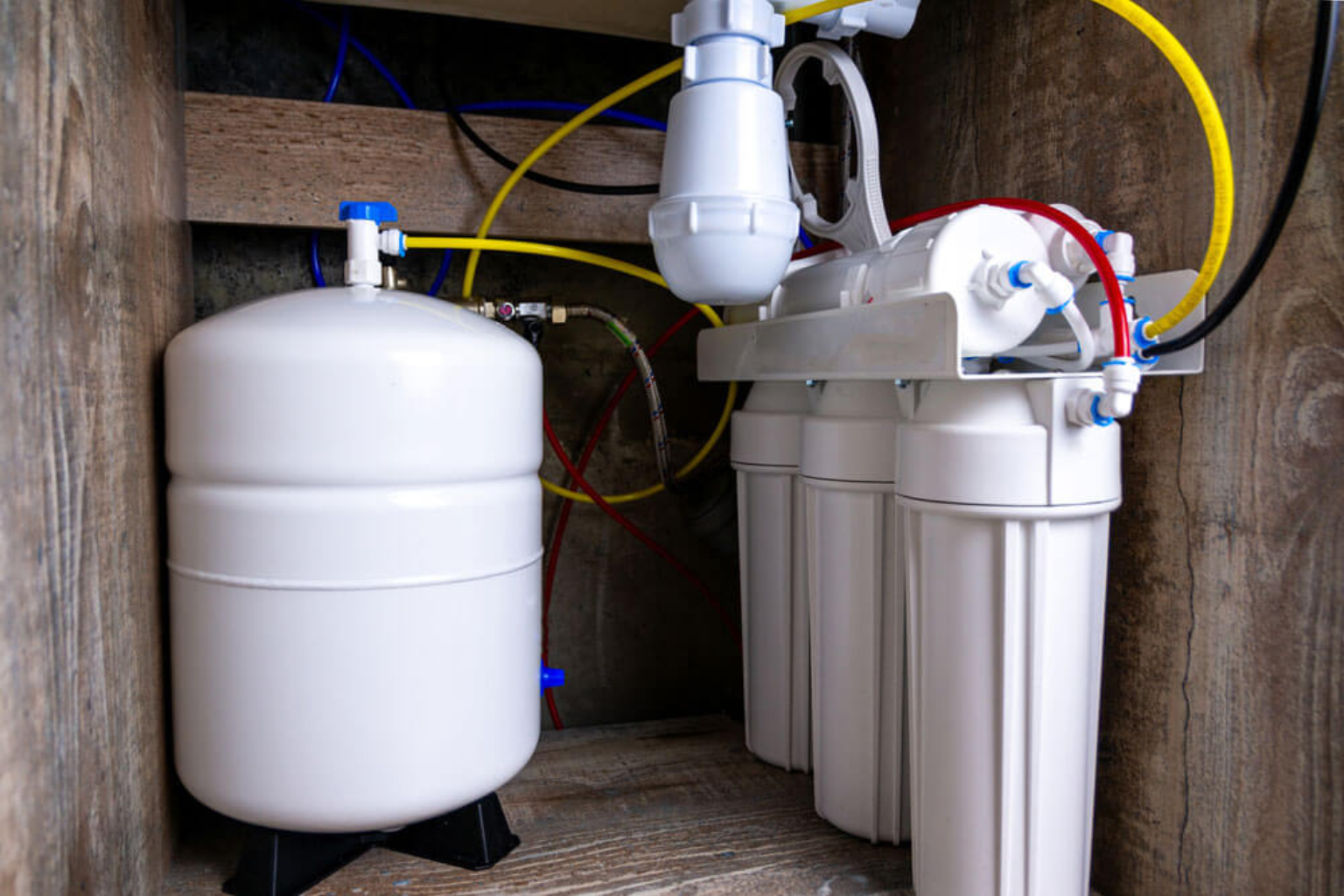
Most modern RO systems don’t rely on a single membrane alone. Instead, they use multiple filter stages working together.
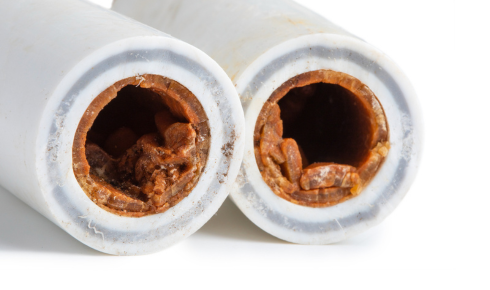
Typically, the first stage captures sediment — tiny particles like sand or rust. Next comes a carbon filter, which reduces chlorine and improves taste. Then the water moves through the RO membrane itself, where the majority of dissolved solids are removed. Many systems finish with a polishing filter to refine the final flavor.
Each stage supports the next. Sediment removal protects the membrane. Carbon filtration improves taste and prolongs membrane life. It’s layered filtration — simple in concept, effective in practice.
Understanding this structure helps you evaluate different models more intelligently. You’re not just buying a name. You’re buying a sequence of processes.
What Changes After Installation?
Once installed, most homeowners notice improvements in taste first. Water feels “lighter,” if that makes sense. Coffee tastes cleaner. Ice cubes lose that faint chemical scent.
These are tangible product benefits, but they’re subtle rather than dramatic. You’re not installing a magical transformation device. You’re refining something that’s already there.
There’s also a peace-of-mind factor. Knowing your drinking and cooking water passes through advanced filtration can feel reassuring, especially if you live in an area with older plumbing or known water quality fluctuations.
It’s not about fear. It’s about control.
The Maintenance Reality
Here’s the part people don’t always talk about: RO systems require upkeep. Filters need replacing. Membranes eventually wear out. Ignoring maintenance reduces effectiveness.
The good news? Most systems are designed for straightforward service. Pre-filters might need replacing every 6–12 months. The membrane often lasts longer, depending on water quality and usage.
Maintenance isn’t complicated, but it’s non-negotiable. If you’re not willing to keep up with it, an RO system might not be the best fit.
Installation Considerations
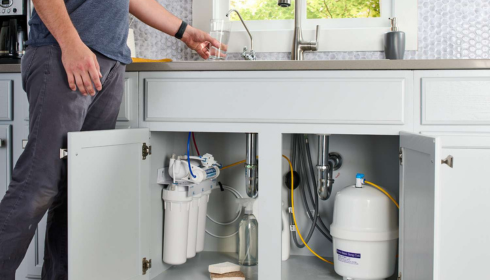
Under-sink installation is the most common setup. It requires space and a dedicated faucet. Some homeowners hire professionals; others with plumbing experience tackle it themselves.
It’s not a massive renovation, but it does require proper connection to your cold water line and drainage system. Skipping professional installation to save money can sometimes lead to leaks or performance issues.
And then there’s water pressure. RO systems perform best within certain pressure ranges. If your home has low pressure, additional components may be needed.
Again, understanding your home’s conditions first saves frustration later.
Is It Worth the Investment?
Cost is always part of the conversation. An RO system costs more upfront than a pitcher filter. There are replacement filters to budget for. It’s not the cheapest option.
But compare that to bottled water expenses over several years. Factor in the convenience of unlimited filtered water at home. Consider the environmental benefit of reducing plastic waste.
For many households, it balances out.
The real question is whether your water quality justifies it. If taste, dissolved solids, or contaminants are persistent concerns, an RO system makes sense. If your water is already balanced and pleasant, a simpler solution might suffice.
Making the Decision Thoughtfully
There’s no universal answer. Water conditions vary by region, by neighborhood, even by house.
Start with testing. Review your local water report. Identify your specific concerns — taste, sediment, mineral content, or potential contaminants.
Then evaluate systems based on features, maintenance requirements, and compatibility with your home.
An informed choice feels very different from an impulsive purchase.
Final Thoughts
Reverse osmosis systems aren’t glamorous. They won’t impress guests the way a kitchen remodel might. But they quietly improve something fundamental — the water you rely on every day.
If you approach the decision thoughtfully, understanding both the advantages and the responsibilities, an RO system can be a practical upgrade.
And sometimes, the best home improvements are the ones that make everyday routines just a little more enjoyable — like filling a glass of water and knowing it tastes exactly the way it should.