Water. It’s one of those things we all take for granted—until something goes wrong. A foul odor from the tap. A cloudy glass served to a customer. A failed health inspection. Suddenly, water becomes the headline, not the hidden hero of a business.
For companies that rely on consistent, clean water—restaurants, hotels, factories, labs, even car washes—the stakes are high. It’s not just about taste or presentation. It’s about trust, safety, performance, and sometimes even survival. That’s where a deeper conversation around commercial water filtration kicks in.
When Tap Water Just Doesn’t Cut It
Let’s be honest: municipal water isn’t always perfect. Depending on your location, it might come with a dose of chlorine, traces of heavy metals, or a touch too much sediment. For an everyday home, maybe it’s manageable. But in a business setting, these imperfections can quickly spiral into big problems.
A bakery’s dough might not rise quite right. An autoclave in a dental clinic might corrode prematurely. A high-end coffee shop could find its flavor profile completely thrown off. Clean water isn’t just a nice-to-have—it’s a must-have in many operations. That’s why more businesses are investing in robust, custom-tailored filtration systems designed for commercial loads and pressures.
It’s Not One-Size-Fits-All: The Case for Multi-Layered Defense
One of the biggest misconceptions out there? That a single carbon filter under the sink is enough. Not quite. Today’s leading systems go far beyond the basics, incorporating multi-stage filtration technologies that handle water at every level.
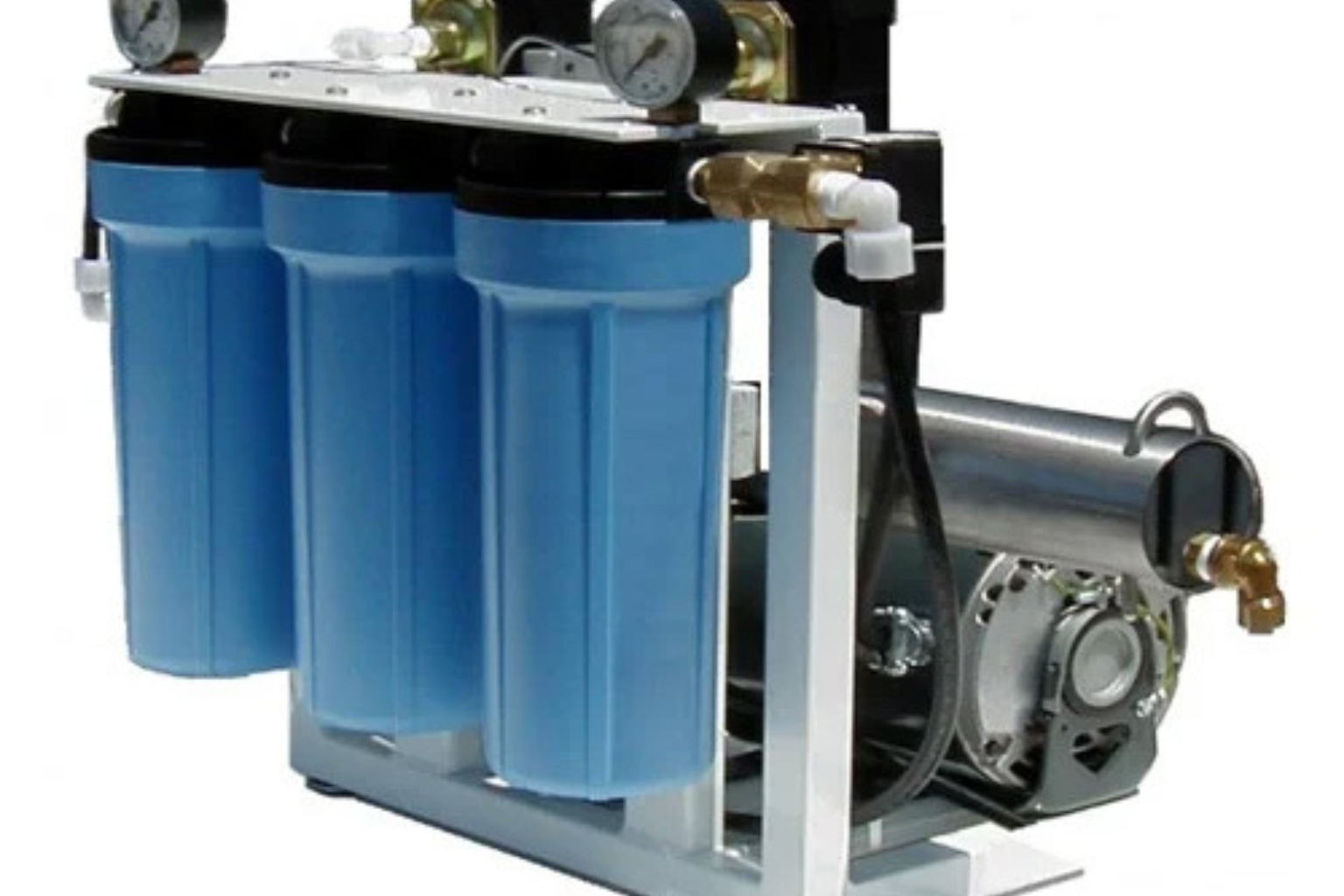
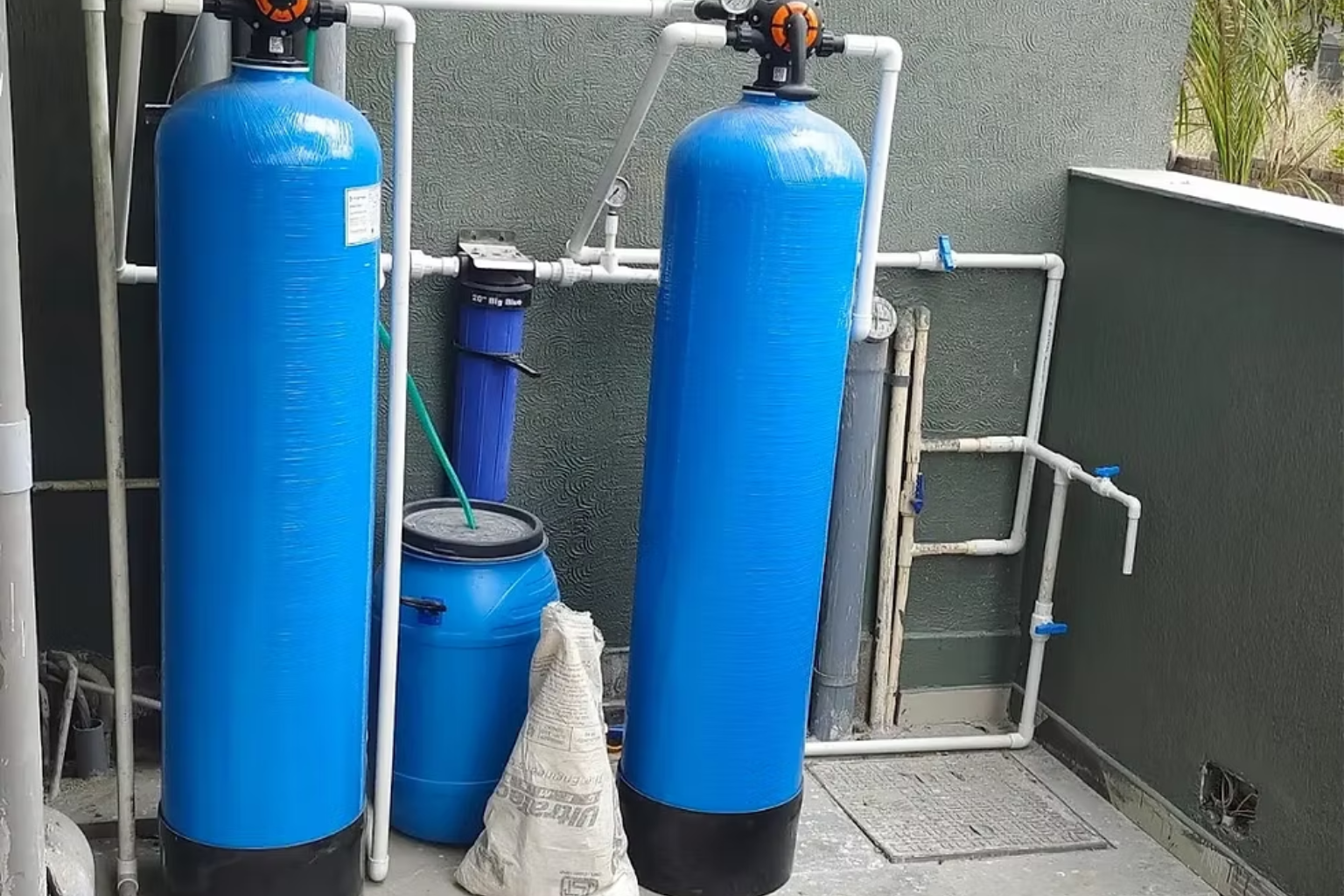
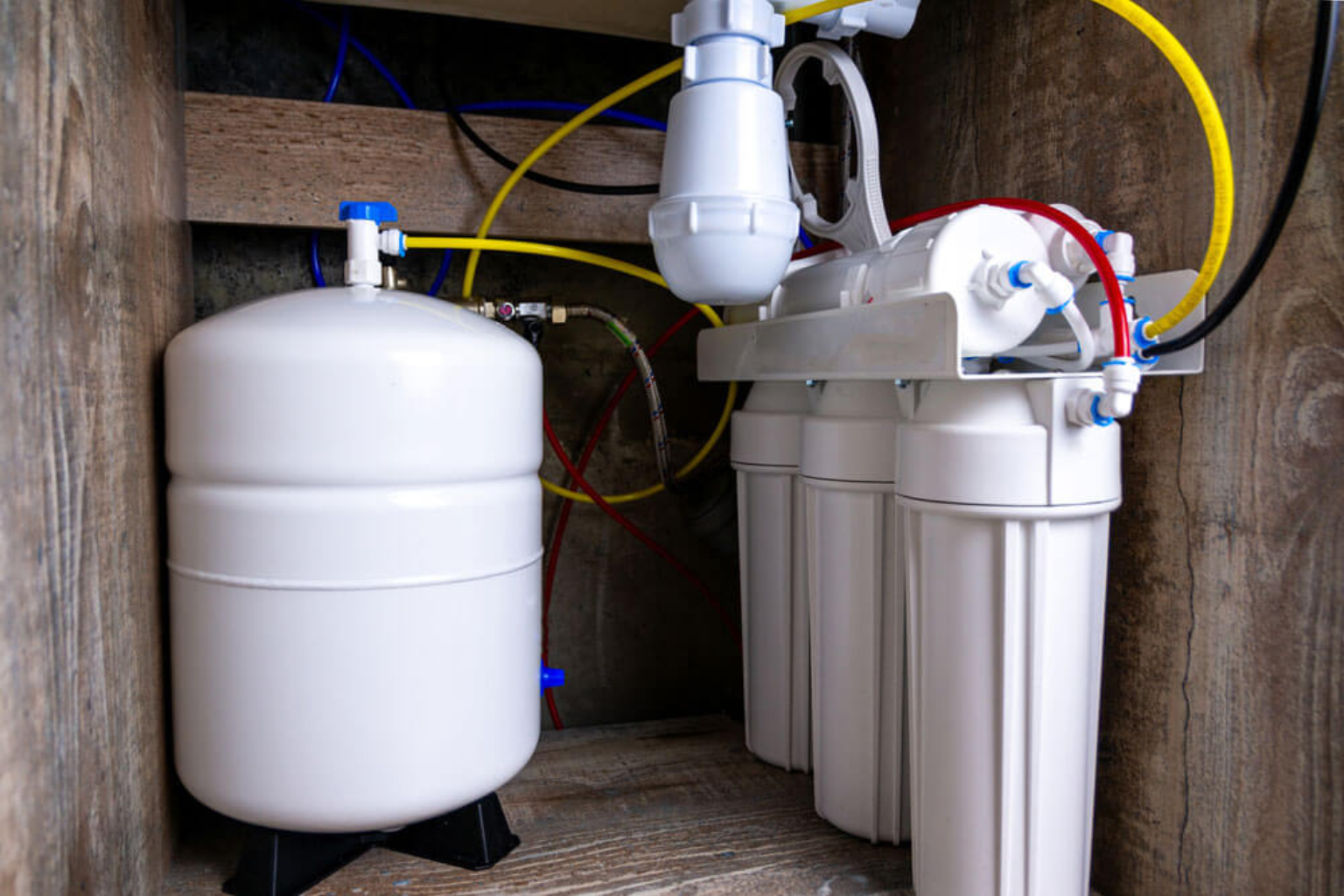
We’re talking about sediment filters to catch the sand and rust. Activated carbon to neutralize taste and odors. Reverse osmosis membranes for fine particle removal. UV sterilizers to knock out bacteria. Some setups even include ion exchange systems to soften the water and protect machinery.
Think of it as a relay race, with each stage handing off cleaner, safer water to the next. The result? A final product that’s crystal-clear, consistent, and purpose-fit for your business needs—whether that’s brewing, sterilizing, rinsing, or simply serving a better glass of water.
Regulations Aren’t Optional (And They’re Getting Stricter)
If you’re in any industry where public health is involved—food service, hospitality, medical—you’ve probably had at least one sleepless night over inspections. Health codes, state mandates, and even federal guidelines are constantly evolving, and water quality is always on the checklist.
The thing is, passing an inspection isn’t just about not getting fined. It’s about keeping your reputation intact and avoiding liability. A contaminated ice machine or a waterborne bacteria outbreak isn’t just a “whoops” moment—it could be a PR nightmare or a lawsuit waiting to happen.
Smart companies are staying ahead of the curve by investing in filtration systems that ensure regulatory compliance without needing constant manual oversight. Modern setups often come with digital monitoring, automatic backflushing, and service alerts—essentially making sure the system never slips while you’re focused on other parts of the business.
The ROI of Better Water
Let’s talk money for a second. Because while filtration systems might sound like just another expense, they often pay for themselves in ways people don’t expect.
Equipment lasts longer when it’s not clogged with scale or corroded by chlorine. Cleaning processes become more efficient. Customer satisfaction goes up when the water tastes better, the glasses are spot-free, and the ice cubes are perfectly clear. And if you’re in manufacturing, fewer production defects or machine breakdowns can mean major savings.
It’s not just an environmental or ethical upgrade—it’s a financial one, too. Smart water systems reduce waste, cut downtime, and can lower energy bills. When viewed as a long-term investment, the returns are often substantial.
Don’t DIY This One
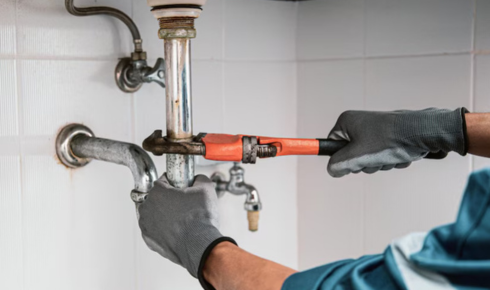
Now, here’s where a lot of well-meaning folks go wrong. They watch a few videos, buy a couple of filters online, and slap together a “custom” setup in the maintenance closet. Fast forward a few months—water pressure problems, leaks, mold buildup inside the housing. The fix ends up costing more than doing it right in the first place.
Commercial systems are complex. They require proper flow rate calculations, pressure balancing, system zoning, and in many cases, professional installation. Getting help from an experienced water treatment expert ensures your setup fits your needs today—and scales with you tomorrow.
The Takeaway: Clean Water Is Smart Business
At the end of the day, water might seem like a background player in your operations—but it’s more like the unsung MVP. Whether you’re running a café, a dental clinic, a distillery, or a daycare, clean, reliable water keeps everything flowing smoothly.
Investing in commercial water filtration isn’t just about cleaner water—it’s about better performance, happier customers, longer-lasting equipment, and fewer regulatory headaches. It’s about future-proofing your business and elevating the standards of what you do.