Hard water has a rather inconvenient way of making its presence known. Sometimes, it’s the cloudy residue on your favorite drinking glass. Other times, it’s the crusty buildup around the showerhead or the seemingly endless amount of detergent needed to get your laundry looking fresh.
These problems rarely feel urgent, which is probably why so many homeowners put off dealing with them.
Eventually, though, the extra cleaning, appliance maintenance, and recurring frustrations start adding up. Installing a water softener becomes an appealing idea, particularly for households looking for equipment that operates efficiently without demanding constant attention.
But not all softeners work in the same way. Understanding the differences between available technologies can help you choose something that genuinely suits your home, lifestyle, and budget.
How Non-Electric Water Softeners Work
When people think about modern household equipment, they often assume it requires an electrical connection. Interestingly, certain water treatment technologies operate without one.
Many non-electric water softener systems use the energy of moving water to operate their control mechanisms, eliminating the need for an electrical connection to the softener itself.
Conventional softening still takes place through ion exchange. As water passes through specialized resin, calcium and magnesium ions are exchanged for sodium or potassium ions, reducing the water’s hardness.
Depending on the design, regeneration may be triggered by actual water consumption rather than a fixed timer.
This approach can be appealing to homeowners who prefer straightforward equipment with fewer electrical components.
It may also provide greater flexibility when selecting an installation location, particularly in utility areas without convenient electrical outlets.
However, non-electric operation doesn’t mean maintenance-free operation. These systems still require appropriate water pressure, regular salt replenishment where applicable, and periodic servicing.
The real advantage depends on how well the equipment matches your household’s requirements.
What Makes an Efficient Water Softener Worth Considering?
Efficiency is an important consideration when purchasing equipment you’ll probably use for several years. Nobody wants to discover that a relatively affordable appliance comes with unexpectedly high operating expenses.
Homeowners exploring Kinetico high-efficiency water softeners should consider model-specific performance, regeneration characteristics, salt consumption, treatment capacity, and suitability for their measured water hardness.
Rather than relying entirely on advertising claims, ask for specific information about expected operating costs under your household’s normal conditions. Related context: Exploring Specialty Water Treatment Options for a Home That Fits Your Needs.
Several factors can influence a softener’s overall efficiency:
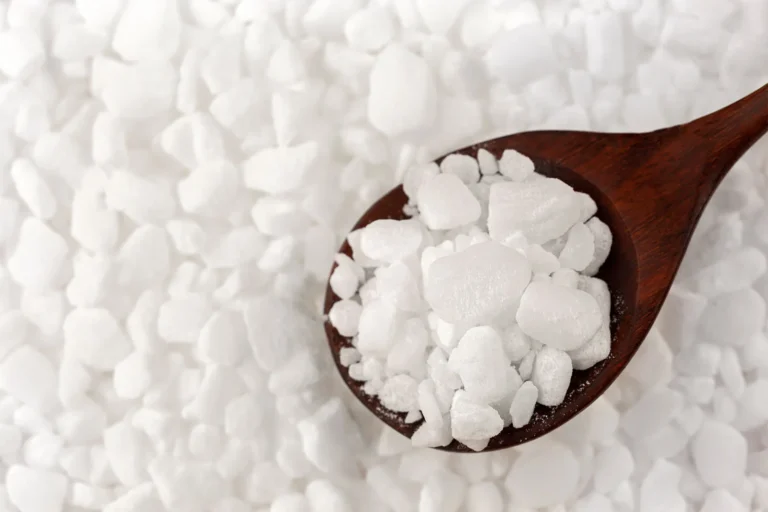
- The amount of salt required during regeneration.
- Water consumption during the regeneration process.
- Treatment capacity relative to household demand.
- Regeneration frequency and control mechanisms.
- Maintenance requirements and replacement component costs.
A household with fluctuating water consumption may benefit from demand-based regeneration, depending on the system’s configuration.
Consider those weeks when relatives come to stay and the washing machine barely gets a break. Then compare that with a quiet weekend when nobody’s home.
Equipment that responds appropriately to changing consumption patterns may offer practical advantages.
Still, efficiency should never come at the expense of adequate softening performance.
Choosing a System That Suits Your Household
Walk through the water treatment section of a showroom, and you’ll probably encounter more choices than you expected. Different tank sizes, control mechanisms, and treatment capacities can make comparisons surprisingly difficult.
When evaluating water softener options for households, begin with your actual water hardness, daily consumption, available installation space, and long-term maintenance preferences.
A family with several bathrooms may require greater treatment capacity than a couple living in a smaller property.
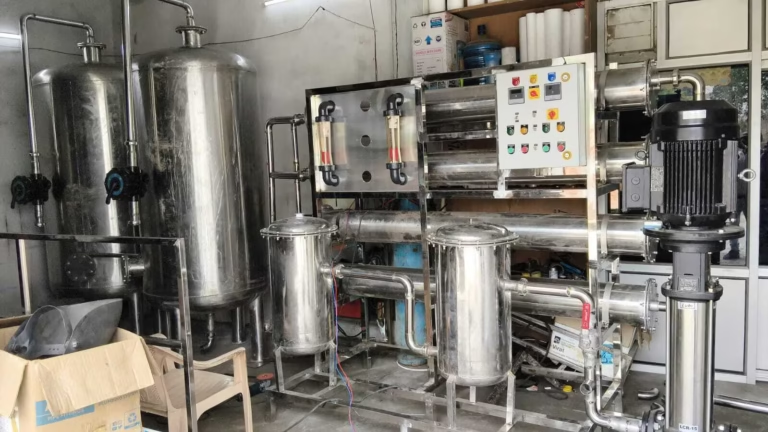
Certain households may benefit from alternating twin-tank arrangements, particularly when uninterrupted softened water availability is important. Others might find a conventional single-tank system perfectly adequate.
Installation requirements deserve attention, too. Consider drainage connections, incoming water pressure, accessibility for maintenance, and sufficient space for salt storage.
And don’t overlook the importance of proper testing.
Hardness-related symptoms can suggest a problem, but reliable measurements provide the information necessary to select and configure equipment appropriately.
A suitable softener should work comfortably within your household’s everyday routine rather than requiring you to adjust your lifestyle around it.
The Everyday Benefits of Reducing Water Hardness
One of the nicest things about softened water is that its potential benefits appear in ordinary household activities.
Soap may lather more readily, laundry detergent can work more effectively, and mineral deposits around bathroom fixtures may become less troublesome. Related context: Choosing the Right Water Treatment Equipment for a Cleaner, Healthier Home.
There’s also the practical matter of appliance maintenance.
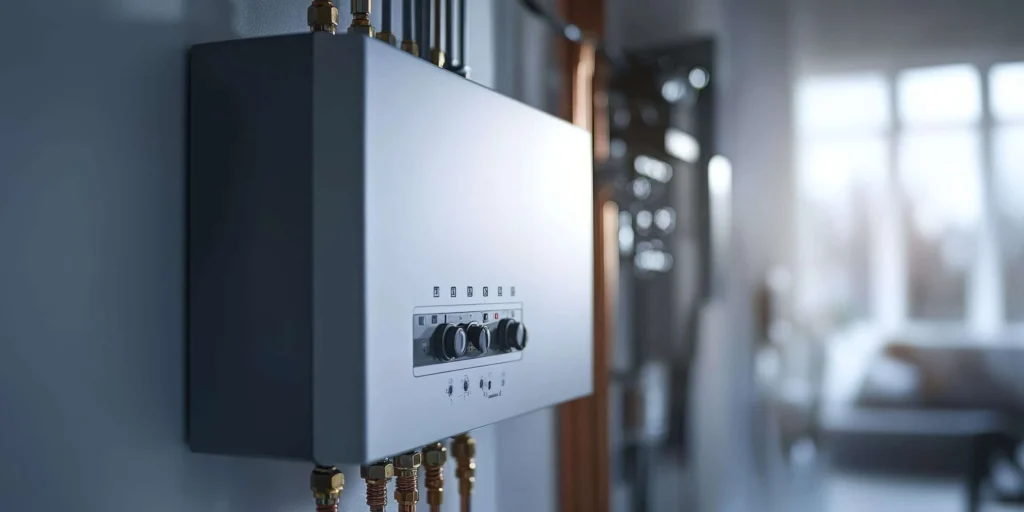
Excessive hardness can contribute to scale formation inside water heaters and other water-heating equipment. Reducing hardness may help limit future accumulation and support more dependable appliance performance.
Of course, softened water won’t eliminate every water spot or prevent all mechanical problems.
Existing mineral deposits may still require cleaning, and household appliances will continue to experience normal wear and tear.
Nevertheless, spending less time tackling recurring hardness-related problems can be a welcome improvement.
Keep Maintenance and Drinking Water Quality in Mind
Before purchasing a softener, understand what maintaining it involves.
Follow manufacturer recommendations for salt replenishment, regeneration settings, cleaning, and periodic performance checks.
Remember that conventional softening does not remove every potentially harmful drinking water contaminant. It can also increase sodium concentrations when sodium-based regeneration is used.
Additional drinking water treatment may be appropriate depending on your water conditions and dietary requirements.
Make an Investment Your Home Can Benefit From for Years
Choosing a water softener doesn’t need to become an overwhelming technical exercise. Start with reliable testing, compare equipment carefully, and ask practical questions about long-term ownership.
The best system isn’t necessarily the biggest, newest, or most expensive one. It’s the one that addresses your water conditions without introducing unnecessary complications.
Less time spent scrubbing faucets, more manageable laundry routines, and reduced worries about future mineral buildup might sound like small victories.
But considering how often you use water, those little improvements can make a surprisingly meaningful difference over the years.