Ever taken a sip of water and noticed an odd, slightly bitter aftertaste? That could be sulfates. They’re not something we often think about when turning on the tap, but they’re more common than you’d expect—and they come with their own set of concerns. Whether you’re just trying to keep your family safe or wondering if your water’s flavor is… off, it’s worth digging into what sulfates are, how they end up in your water, and what you can do about them.
What Are Sulfates, Anyway?
Sulfates are naturally occurring minerals made up of sulfur and oxygen. They’re found in soil and rocks and can seep into groundwater or surface water as it travels through different terrains. It’s totally normal to have some sulfate in water, but when the levels get too high, things start to go south.
You’ll find them in well water more often than in treated municipal systems. The taste they leave behind? Some describe it as metallic or even medicinal. And if you’re getting your water from a private well, there’s a good chance sulfates have made themselves at home.
A Closer Look at the Health Effects of Sulfate
Now, let’s talk about the health effects of sulfate like elephant in the room—health. Most of the time, drinking sulfate-laced water isn’t going to send you to the emergency room. But it’s not entirely harmless either.
At high levels, sulfates can act like a laxative. That’s right—if you’re downing water with too much sulfate in it, you might find yourself running to the bathroom more than usual. This is especially risky for infants or people with sensitive digestive systems.
And while occasional exposure isn’t a massive deal, chronic intake could irritate the digestive tract or contribute to dehydration. In some cases, elevated sulfate levels can also affect the taste of water so badly that people just avoid drinking it altogether. That’s a sneaky health risk—if folks stop hydrating because their water tastes weird, it’s still a problem.
Why Filtration Matters: Dealing with the Source
So, what can you do if your water is high in sulfates? Boiling won’t help—in fact, it can concentrate the minerals further. The real solution? A proper filtration system tailored to tackle sulfates.
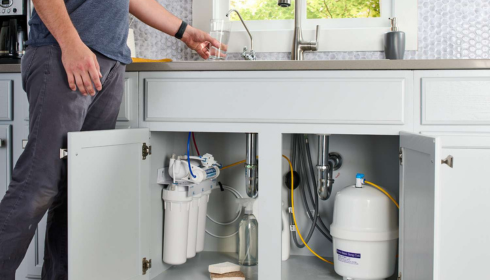
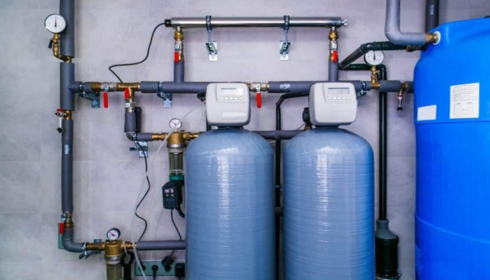
Sulfate removal systems come in a few different flavors. The most popular methods are reverse osmosis, distillation, and ion exchange. Each has its pros and cons. Reverse osmosis is the most commonly used in households—effective, fairly compact, and widely available. Distillation is more thorough but slow and energy-hungry. Ion exchange systems are efficient but need maintenance and specific resins.
Choosing the right system depends on your water usage, budget, and whether you want to treat all the water in your house or just what comes out of the kitchen faucet. Either way, it’s an investment in your long-term health and comfort.
Getting Started with Water Filtration for Sulfate
Testing is your first step. Before you start buying filters and calling plumbers, you need to know exactly what you’re dealing with. A simple water quality test—either at home or through a lab—can tell you the sulfate concentration in parts per million (ppm).
If your sulfate level is under 250 ppm, you’re likely within safe bounds as per EPA recommendations. But if it’s creeping higher, or you’re noticing taste or digestive issues, it’s time to act.
Installing water filtration for sulfate isn’t just about safety—it’s about reclaiming the enjoyment of your water. Nobody wants to drink something that tastes like rusty metal or feels like a mild laxative. A solid filtration system ensures every glass of water is clean, neutral, and worry-free.
Real Talk: Is It Worth the Hassle?
Look, we get it. With so many other things to worry about—bills, work, family—installing a new water system might not feel urgent. But think about it this way: water is one of the few things you use every single day. Cooking, drinking, brushing your teeth, filling up the dog’s bowl. If there’s a contaminant in there—even a “natural” one like sulfate—it’s worth paying attention to.
Besides, the peace of mind you’ll get from knowing your water is clean, clear, and safe? That’s priceless.
Final Thoughts
Sulfates may not be the worst thing that could show up in your water, but they’re still worth addressing—especially if the levels are higher than ideal. They can affect taste, digestive health, and hydration habits, which in turn ripple into bigger health concerns.
With a bit of testing and the right sulfate removal systems, you can eliminate the issue entirely. It’s not about overreacting—it’s about staying informed and making simple, smart choices that keep your home (and everyone in it) healthier in the long run.