We turn on our taps expecting something simple: water that’s safe, clear, and good enough to drink. But behind that clean-looking stream, there’s often more going on than meets the eye. It’s easy to assume water is just… water. Until you start noticing weird tastes, smells, or even effects on your skin or appliances. That’s when it hits you—something might not be quite right. And navigating these issues isn’t always straightforward, especially when water quality challenges vary so wildly from one home to the next.
Let’s unpack what these challenges look like, and more importantly, how to approach them without losing your mind—or your budget.
It’s Not Just “Bad Taste” — It’s a Clue
That odd tang in your morning tea? The film on your glassware? The itchy skin that flares up after showers? These aren’t just little annoyances; they’re red flags. In many cases, they signal problems like excessive chlorine, hard water minerals, sulfur compounds, or even bacteria. And let’s be honest: it’s a little unnerving when you realize your drinking water might be doing more harm than good.
These issues are often invisible. You can’t always see what’s wrong, which is what makes them tricky. But your senses—taste, smell, touch—do a pretty good job at raising the alarm.
Water Isn’t One-Size-Fits-All
Here’s the catch: not all water problems are the same. What’s true for one neighborhood, or even one household, might not apply just a block over. Some homes get their water from wells. Others rely on municipal treatment. Some areas are prone to agricultural runoff; others deal with aging pipe systems. This huge variety means there’s no universal fix.
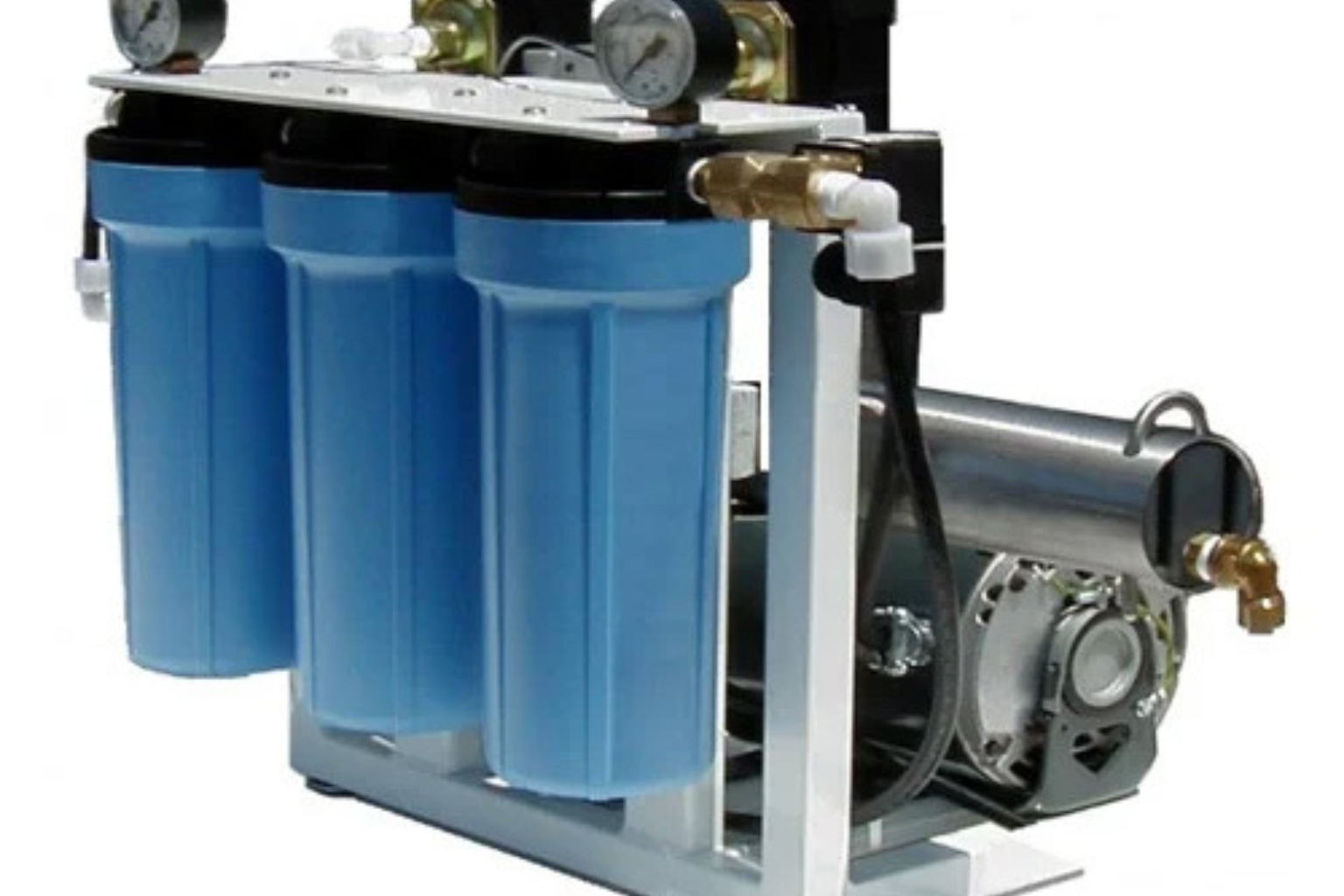
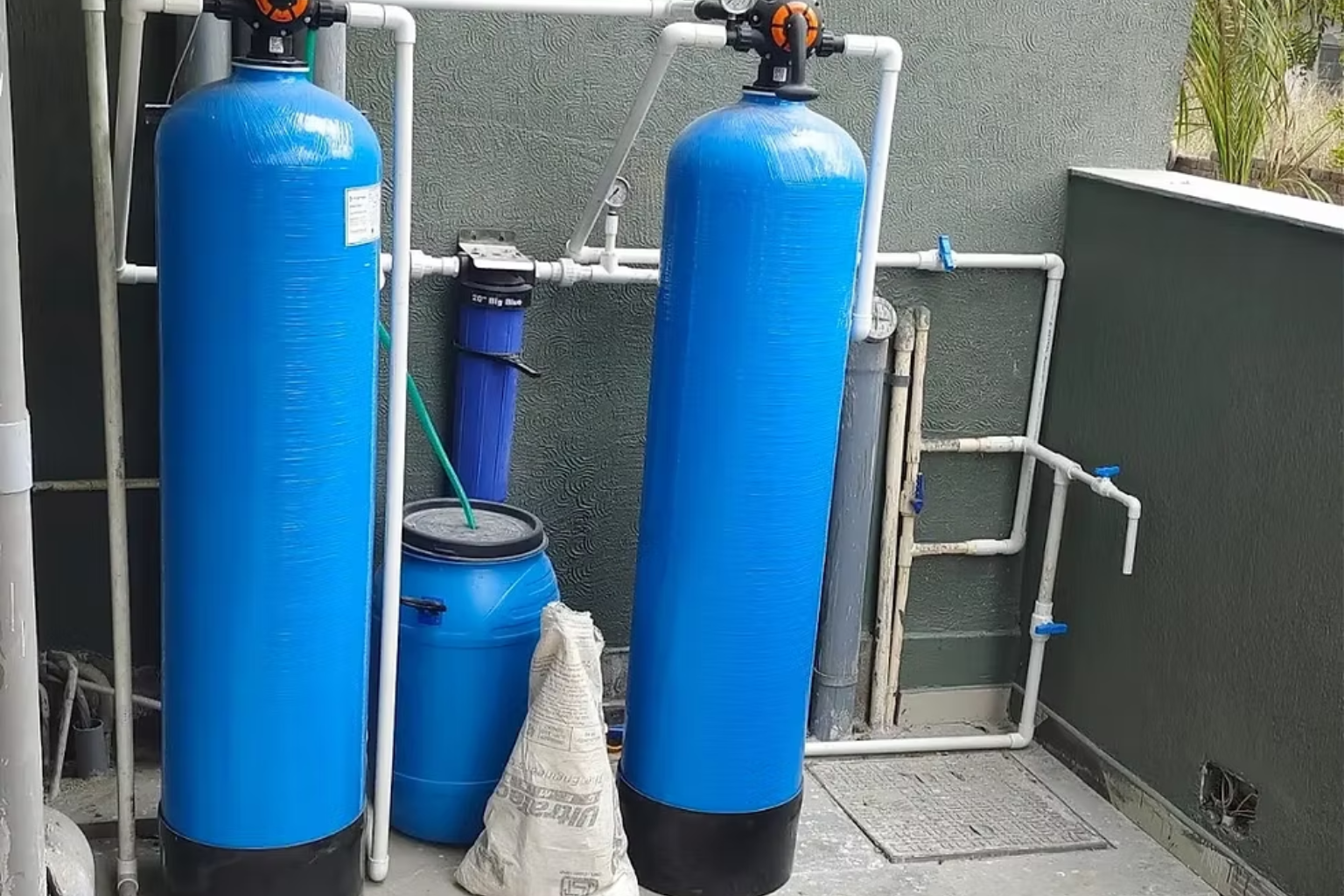
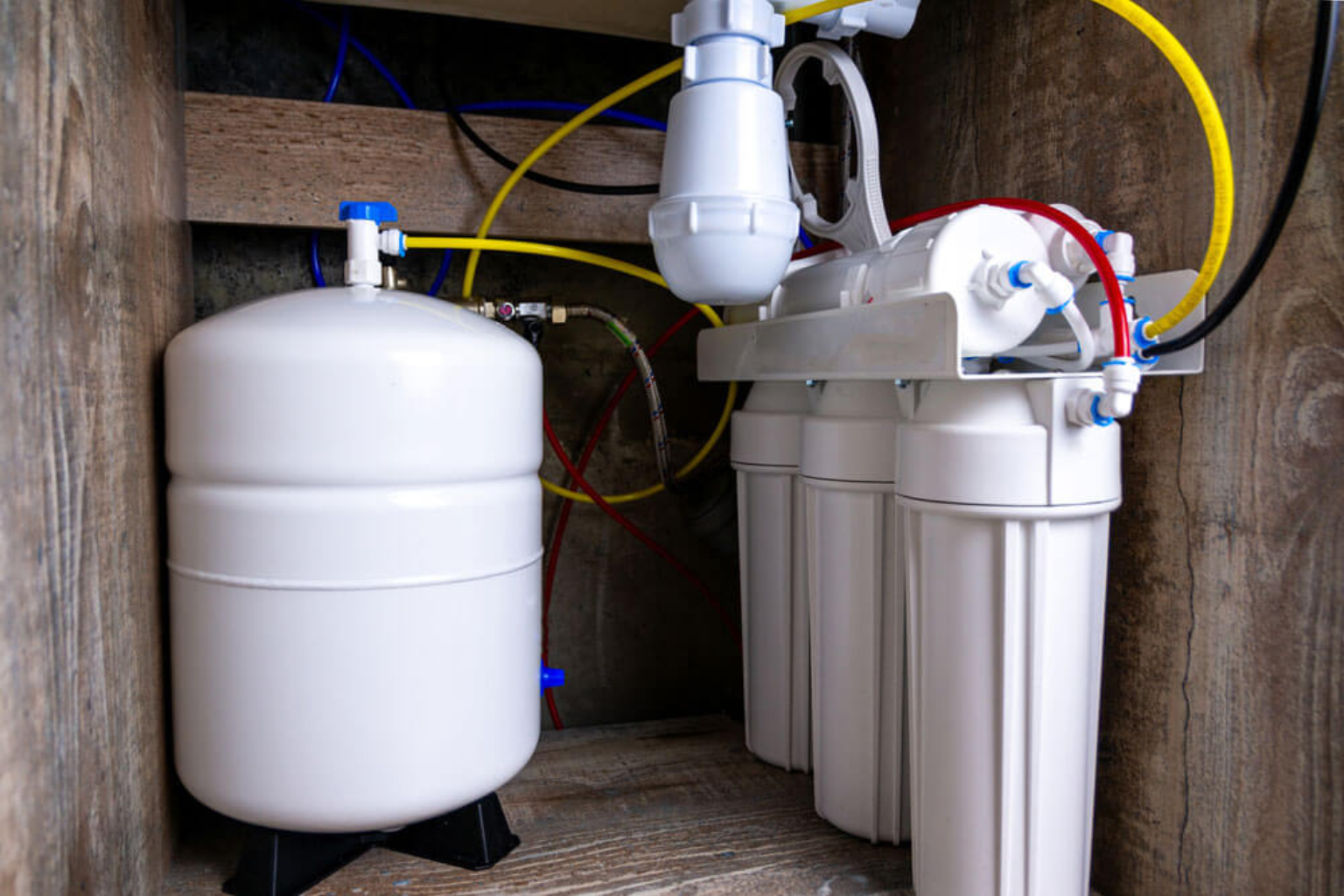
And that’s where tailored solutions come into play. Maybe you don’t need a whole-house reverse osmosis system when a simple carbon filter at the point of use will do. Or maybe you’re dealing with something like iron staining or hydrogen sulfide and need a more technical fix. It all starts with understanding your specific water profile, ideally through proper testing—not just guesswork.
The Hidden Costs of Ignoring the Problem
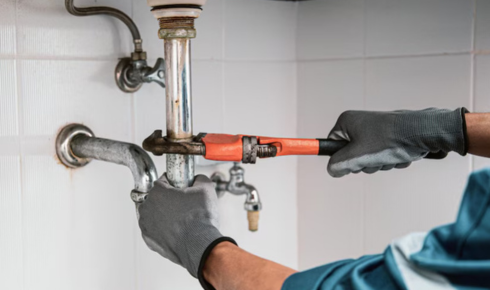
We get it—it’s tempting to just live with “OK” water. To shrug off the occasional smell or buildup and keep rinsing dishes twice. But there’s a cost to that mindset. Over time, poor water quality can corrode pipes, shorten the life of your appliances, stain your fixtures, and dry out your skin and hair.
And let’s not forget the emotional toll. You shouldn’t have to second-guess every glass you pour or bottle water for every meal. Everyone deserves access to clean water that doesn’t feel like a compromise. Addressing the problem isn’t about luxury—it’s about dignity and peace of mind.
So What’s the Game Plan?
Step one? Test your water. This could mean picking up a DIY kit or calling in a professional. The point is to move from vague symptoms to clear facts. From there, solutions can be customized. If your water’s high in sediment or minerals, filtration and softening might do the trick. If bacteria are the issue, UV systems or chlorination setups may be necessary.
The beauty of modern water treatment is that it’s more accessible and efficient than ever. You can start small—say, with a kitchen filter—and scale up as needed. There’s no need to overspend on complex systems if your problem has a simple fix.
Real People, Real Impact
Let’s pull away from the technical for a sec. Ask anyone who’s made the switch to a better water setup, and you’ll hear the same things: “My coffee tastes better,” “My skin isn’t dry anymore,” “I don’t dread washing dishes now.” These aren’t massive life events, but they matter. They stack up into a better daily experience—subtle, but real.
It’s not just about health or longevity (though those matter too). It’s about comfort. About not being low-key annoyed every time you use your water. About trusting that what you’re bathing in or giving your kids to drink isn’t secretly sabotaging your efforts to live well.
Prevention is Cheaper Than Repair
If you’ve got scale building up in your pipes or rusty stains appearing on your sinks, chances are the damage is already creeping in. Water may look gentle, but given time, it can wear down even the sturdiest materials. That’s why acting early saves you money—not just on repairs, but on replacements you didn’t see coming.
Plus, addressing your water now can extend the life of your plumbing, water heaters, dishwashers, and more. That peace of mind? Priceless.
Your Next Step Is Simple
Here’s the good news: you don’t have to fix everything overnight. Begin with awareness. Notice what’s off. Get your water tested. Explore solutions that make sense for your space, your budget, your life. Talk to professionals who actually listen instead of pushing cookie-cutter products.
And most of all—trust yourself. If your gut’s been telling you something’s not right, there’s probably truth to it. Your water shouldn’t be a mystery. It should be clean, reliable, and boring in the best possible way.