If you walk into any busy commercial building — a restaurant kitchen during lunch rush, a hospital ward at peak hours, or a manufacturing floor humming with activity — you’ll notice one thing almost immediately: everything depends on water working exactly as expected.
It’s not something people usually talk about. No one walks into a café and compliments the water pressure or asks about filtration systems. But without them, daily operations would grind to a halt within hours.
Water in commercial settings isn’t just a convenience. It’s infrastructure. It’s productivity. In many cases, it’s compliance and safety rolled into one.
And that’s why businesses don’t just need water — they need dependable systems designed to perform consistently under pressure.
The Hidden Demands of Commercial Water Use
Unlike residential water usage, which follows relatively predictable patterns, commercial water demand can fluctuate dramatically throughout the day.
A restaurant may use large volumes during meal times. A manufacturing facility might require precise water quality levels for production processes. Hospitals depend on continuous water flow for sanitation and patient care.
These diverse requirements mean that commercial systems must be engineered with both capacity and reliability in mind.
Generic solutions rarely work in these environments because the stakes are simply too high.
Why Tailored Expertise Matters
Every business faces unique water challenges based on its industry, location, and operational needs.
A food processing plant must maintain strict hygiene standards. A hotel must ensure consistent guest comfort. An industrial facility may need specialized treatment for scale prevention or chemical balance.
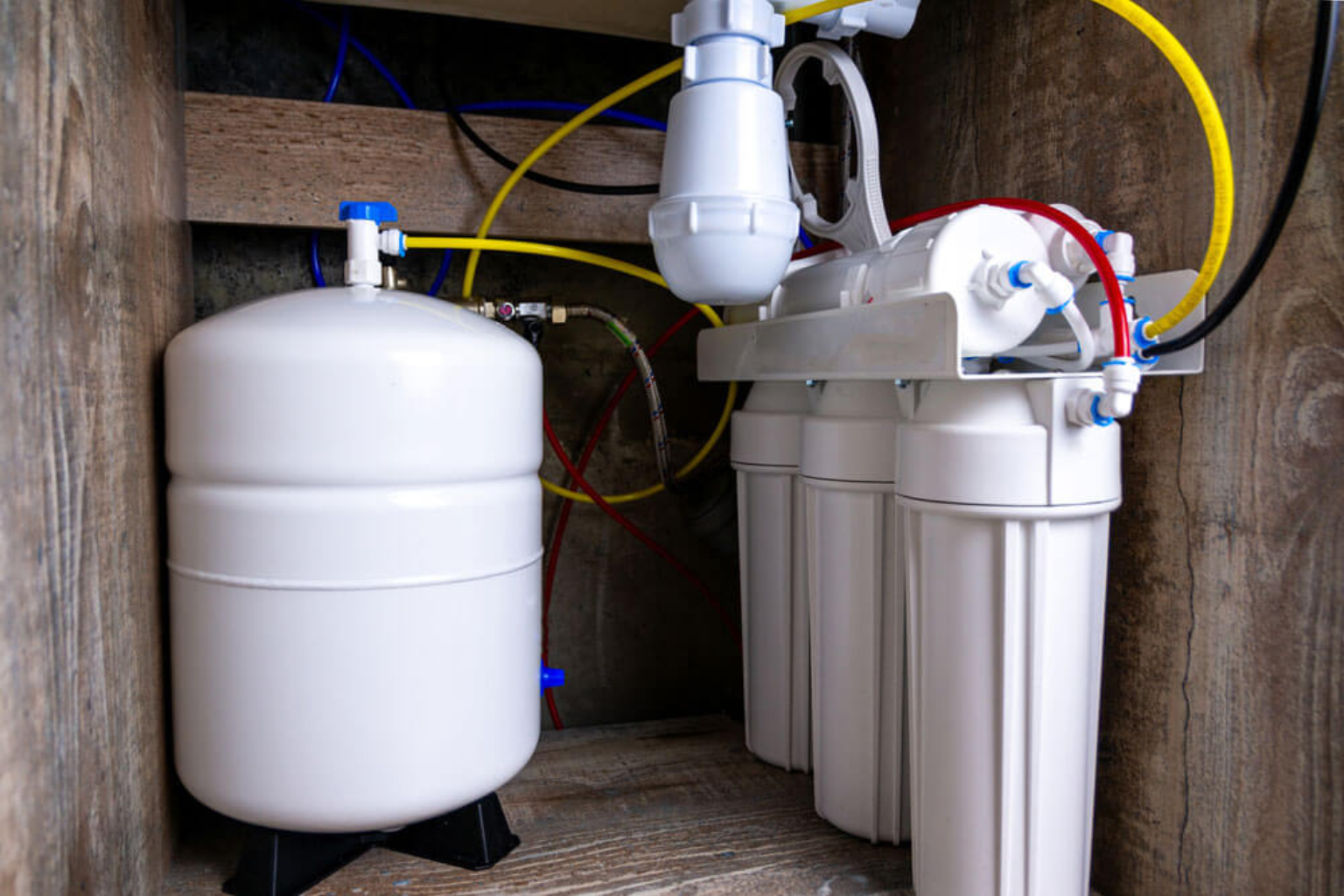
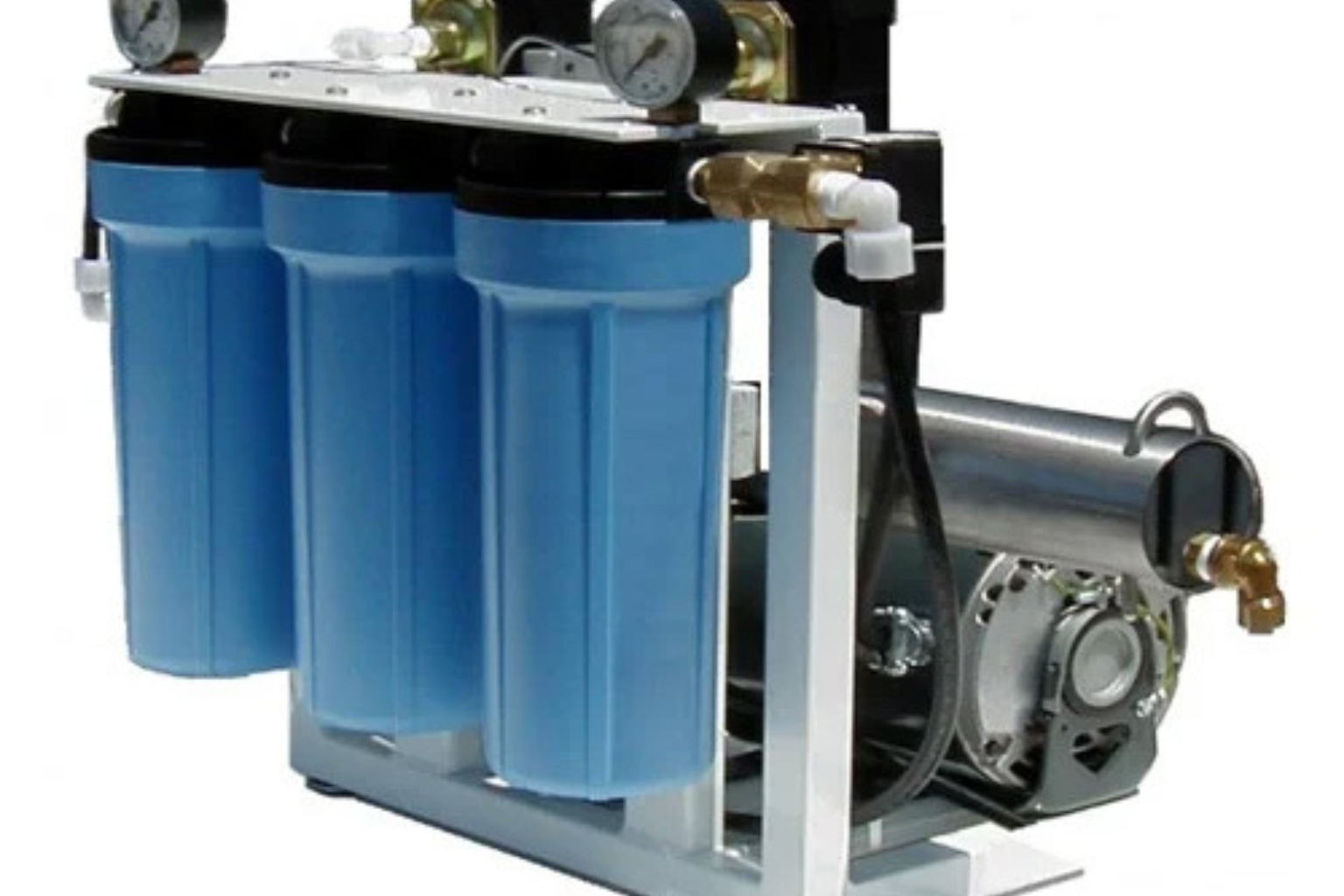
This is where expert water solutions play a critical role. Instead of relying on standard equipment, expert providers evaluate water chemistry, usage patterns, and infrastructure requirements to design customized systems.
These tailored solutions help businesses maintain operational efficiency while meeting regulatory standards.
Designing Systems for Large-Scale Performance
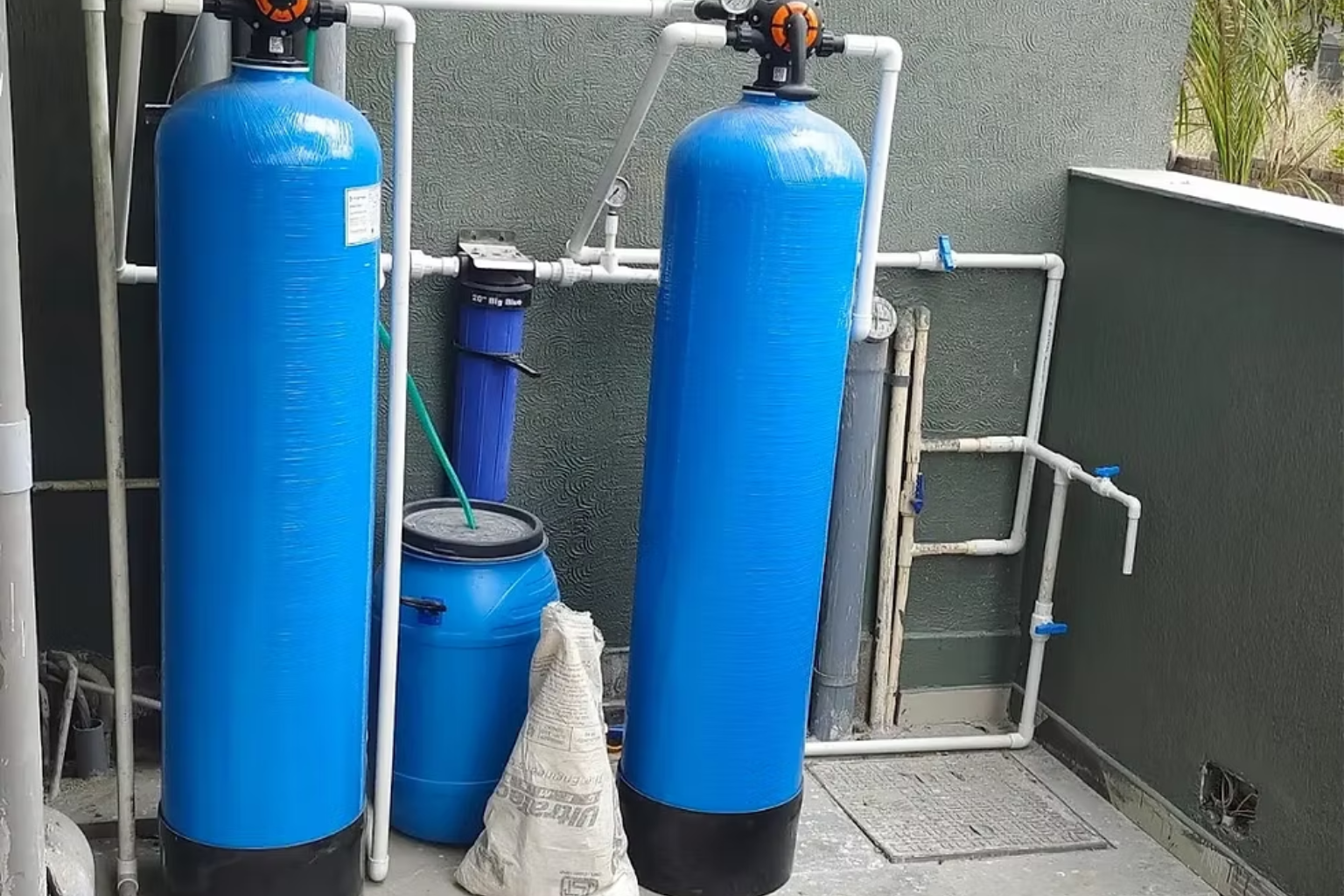
Commercial water systems must handle higher volumes, increased pressure demands, and more complex treatment processes than residential setups.
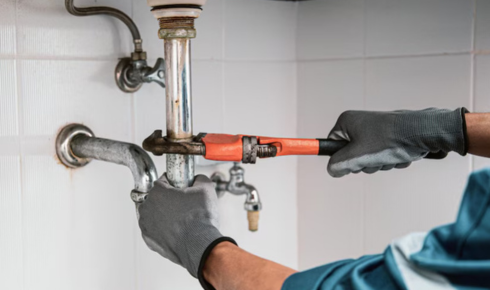
Installation requires careful planning to ensure system compatibility, efficient flow distribution, and long-term durability.
This is why commercial installations involve specialized engineering and technical expertise.
From selecting appropriate equipment to integrating systems with existing infrastructure, every detail matters.
Proper installation ensures consistent performance while minimizing maintenance disruptions.
The Cost of Water System Failures
When water systems fail in commercial environments, the consequences can be immediate and costly.
Production delays, equipment damage, and regulatory violations can occur within a short period.
For example, insufficient water pressure can halt manufacturing lines, while contamination risks may force temporary closures in food-related businesses.
These risks highlight the importance of proactive system management and professional support.
Preventing problems is always more cost-effective than addressing them after they occur.
The Role of Ongoing Maintenance
Installing a high-quality water system is only the beginning. Maintaining consistent performance requires regular inspections, monitoring, and preventive care.
Over time, filtration components wear down, mechanical parts experience strain, and water conditions may change.
Routine maintenance helps identify potential issues before they escalate into major disruptions.
This proactive approach ensures that water systems continue to operate efficiently under demanding conditions.
Why Dependability Is Non-Negotiable
For businesses, consistency matters just as much as performance.
Unexpected downtime can disrupt operations, damage customer relationships, and lead to financial losses.
This is why companies prioritize reliable service when selecting water system providers.
Reliable service includes prompt technical support, regular system evaluations, and efficient problem resolution.
Knowing that professional assistance is available when needed provides businesses with confidence in their water infrastructure.
Technology Is Transforming Commercial Water Management
Advancements in digital technology have significantly improved water system monitoring.
Smart sensors can track water quality, pressure levels, and equipment performance in real time.
Automated systems can adjust treatment processes based on changing conditions, ensuring consistent results.
Predictive maintenance tools can even identify potential failures before they occur, allowing businesses to address issues proactively.
These innovations enhance both efficiency and reliability.
Sustainability Is Becoming a Priority
Many businesses are also focusing on reducing environmental impact through efficient water management.
Modern water systems often include recycling technologies that allow treated water to be reused within operations.
This reduces overall consumption while lowering operational costs.
Sustainable water practices not only benefit the environment but also improve corporate reputation and regulatory compliance.
A Foundation That Supports Everything
Water systems may not be visible to customers or clients, but they form the backbone of countless business operations.
From maintaining hygiene standards to supporting production processes, reliable water infrastructure is essential for success.
Investing in expert solutions, professional installation, and dependable support ensures that businesses can operate smoothly without interruptions.
Because in the end, water isn’t just another utility — it’s a silent partner in every successful operation, working quietly behind the scenes to keep everything running exactly as it should.