You don’t usually wake up one morning thinking, “Today, I’m going to rethink my water.” It’s not exactly a glamorous home upgrade. There’s no dramatic before-and-after photo. No instant curb appeal.
But over time, little things start adding up.
The shower door never quite looks clean. Your coffee tastes slightly off some days. White spots cling stubbornly to your glasses no matter how carefully you run the dishwasher. And maybe—just maybe—you’ve started wondering if there’s a better way to handle what flows through your pipes every single day.
Water is foundational. It touches everything. And when it’s not optimized, you feel it in subtle, persistent ways.
The Hard Truth About Hard Water
Let’s start with hardness.
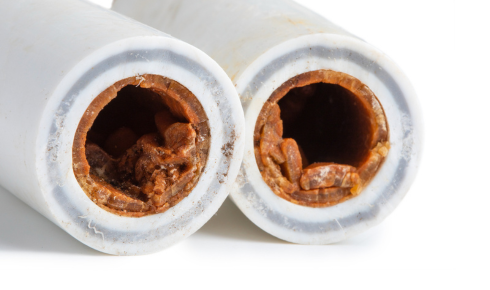
Hard water contains elevated levels of calcium and magnesium. It’s common in many regions and isn’t typically harmful to drink—but it’s hard on plumbing and appliances. Scale forms inside water heaters, dishwashers, and washing machines. Pipes slowly narrow. Heating elements work harder than they should.
That’s where a high-efficiency water softener can make a meaningful difference.
Modern softeners are designed to use less salt and water during regeneration while maintaining consistent mineral removal. They don’t just reduce scale—they help maintain steady water pressure and extend appliance lifespan.
You may notice soap lathering better. Towels feeling softer. Fixtures staying cleaner longer.
The changes aren’t dramatic. They’re practical. And over years, those practical benefits add up.
The Chlorine Conversation
If you live in a city, your water likely contains chlorine. It’s added intentionally to disinfect water and keep harmful bacteria at bay as it travels through distribution systems.
From a public health standpoint, it plays a vital role.
But from a comfort standpoint, not everyone loves the taste or smell. Some people notice dry skin after showering. Others detect a faint swimming-pool scent in hot water.
To remove chlorine effectively, carbon filtration is often the go-to solution. Activated carbon filters capture chlorine molecules before water reaches your faucet, improving taste and odor without compromising safety.
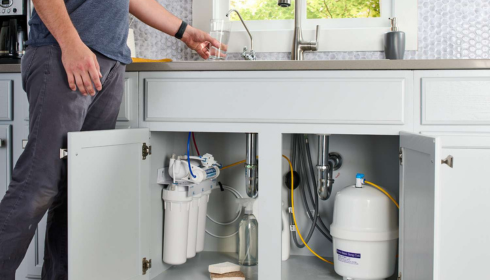
Whole-home carbon systems treat water throughout the house. Point-of-use filters focus specifically on drinking water.
It’s about preference as much as practicality. When water tastes neutral, you stop thinking about it.
And that’s usually the goal.
The Grit You Didn’t See Coming
Sometimes the issue isn’t taste or hardness—it’s texture.
Cloudy water after heavy rain. Tiny particles collecting in faucet aerators. Slight pressure changes that don’t quite make sense.
Sediment is often the culprit.
Municipal infrastructure repairs can release rust or debris into supply lines. Well water systems may carry sand or silt depending on geological conditions. Over time, these particles can accumulate inside fixtures and appliances.
Installing a sediment filter helps remove sediments before they circulate through your plumbing. It’s one of the simplest yet most protective steps you can take.
And here’s the interesting part: sediment filters often protect other filtration stages too. By catching larger particles early, they prevent downstream components from clogging prematurely.
Sometimes, the most basic layer of filtration does the heaviest lifting.
Layering Solutions Thoughtfully
Water improvement isn’t about stacking as many systems as possible under your sink.
It’s about diagnosing what’s actually happening.
If hardness is high, softening addresses the root cause. If chlorine taste bothers you, carbon filtration refines the experience. If sediment is present, pre-filtration protects everything downstream.
Each system solves a specific problem. Together, they create balance.
But balance starts with testing.
A simple water analysis reveals hardness levels, chlorine residuals, turbidity, and more. With data in hand, decisions become easier—and more cost-effective.
Maintenance: The Quiet Commitment
Even the best water system needs occasional attention.
Softener salt levels should be checked regularly. Filters need replacement on schedule. Systems benefit from periodic inspections to ensure valves and seals remain intact.
Maintenance isn’t glamorous. It’s just responsible.
Neglect doesn’t usually cause sudden failure—it causes gradual decline. A little awareness prevents a lot of inconvenience.
The Long-Term Payoff
It’s easy to measure the cost of installing water treatment equipment. It’s harder to measure the cost of not doing it.
Scale buildup shortens appliance lifespan. Energy usage increases when heating elements are coated in minerals. Bottled water purchases quietly drain budgets over time.
On the other hand, optimized water systems reduce wear and tear, improve efficiency, and restore confidence in what comes out of your tap.
And there’s a comfort factor that’s hard to quantify. A shower that feels better. A cup of tea that tastes cleaner. Dishes that sparkle without extra scrubbing.
Those small improvements accumulate.
Final Thoughts
Water doesn’t ask for attention. It flows quietly, doing its job in the background of your life.
But when you take a closer look—when you soften hardness, filter chlorine, and remove sediment—you realize how much influence it has on daily comfort and long-term home health.
You don’t need the most complex system available. You just need the right one for your water profile.
Because when your water works the way it should, you stop noticing it entirely.
And sometimes, that’s the best upgrade of all.