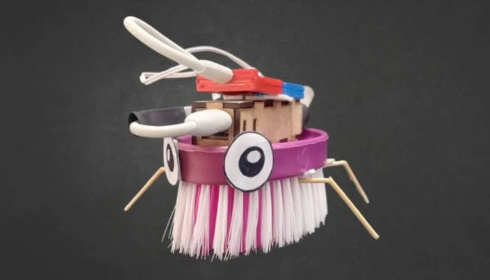
Introduction: Bringing Ideas to Life with Simple Components
There’s something exciting about building a working model from scratch. A good science project doesn’t just explain concepts—it demonstrates them in action. One of the most accessible and powerful components you can use is a DC motor. Small, affordable, and easy to use, it turns electrical energy into motion, making it perfect for hands-on experiments that actually move, spin, or operate.
Whether you’re preparing for a school exhibition or just exploring electronics at home, combining creativity with basic engineering can lead to impressive results. Let’s dive into how you can use a DC motor effectively in your next project.
Understanding How a DC Motor Works
Before jumping into building, it helps to understand what’s happening behind the scenes. A dc motor works on a simple principle: when electric current passes through a conductor in a magnetic field, it experiences a force. This force causes rotation, which is why the motor shaft spins.
In practical terms, when you connect a battery to the motor, the electrical energy flows through its internal coils. This interaction with magnets creates motion. That motion can be used to drive wheels, fans, or even small machines. It’s a perfect demonstration of energy conversion—something teachers love to see in a project.
Simple Science Project Ideas Using DC Motor
1. Mini Electric Fan
This is one of the easiest projects to start with. Attach small plastic blades to the motor shaft and connect it to a battery. Once powered, the motor spins the blades, creating airflow. You can even add a switch to control it.
2. Moving Robot Car
Take things a step further by building a small robot car. Use two or four DC motors connected to wheels and control them with a battery pack. This project shows how motors can be used in real-life applications like transportation and robotics. Related context: Powering Innovation with Gear Motor and Bluetooth Module Integration.
3. Water Pump Model
A creative and slightly advanced project is a mini water pump. By attaching a rotating mechanism to the motor, you can move water from one container to another. It’s a great way to demonstrate fluid movement and mechanical energy.
4. Automatic Door System
Using simple switches and a motor, you can design a basic automatic door model. When the switch is triggered, the motor rotates and opens or closes the door. This project reflects real-world automation systems used in malls and offices.
Why DC Motors Are Ideal for Projects
DC motors are beginner-friendly. They don’t require complex programming or expensive components. Plus, they offer immediate visual results—something spinning or moving—which makes your project more engaging. Related context: 20 Key Questions About the Impact of AI in Everyday Life.
They’re also versatile. From simple fans to advanced robotics, the same motor can be used in multiple ways. This flexibility allows students to experiment, modify, and improve their designs without starting from scratch.
Tips for Building a Successful Project
- Always ensure proper connections between the battery and motor
- Use a switch for better control and safety
- Secure the motor firmly to avoid unnecessary vibration
- Test your setup step by step instead of assembling everything at once
Small details like these can make a big difference in how your project performs and how it’s presented.
Conclusion: Turning Learning into Innovation
A well-designed science project is more than just a display—it’s a demonstration of understanding and creativity. Using a DC motor gives you the chance to build something interactive, functional, and impressive without needing advanced tools or skills.
The beauty lies in simplicity. With just a few components and a bit of curiosity, you can create models that not only explain scientific concepts but also inspire innovation. So the next time you think about your project idea, remember—sometimes, all it takes is a small motor to set big ideas in motion.