Clean, reliable water is one of those things we tend to notice only when something goes wrong. A strange taste in the glass, white scale around the faucet, dry-feeling skin after a shower, or a persistent smell can turn an everyday routine into a small annoyance. And when the problem keeps coming back, a simple filter from the hardware store may not be enough.
That’s where a properly planned water treatment solution can make a real difference. The right system isn’t simply about buying the most advanced equipment available. It’s about understanding the water, the property, and the people using it, then choosing a solution that actually fits.
Start With the Water, Not the Equipment
One common mistake homeowners make is shopping for a water treatment system before finding out what’s actually in their water. It’s understandable. There are countless filters, softeners, reverse osmosis systems, and whole-home treatment products on the market, all promising cleaner or better-tasting water.
But water problems aren’t identical.
Hard water, for example, is generally associated with minerals such as calcium and magnesium. It can contribute to scale buildup on fixtures and appliances. Chlorine can affect taste and odor, while sediment may make water appear cloudy or leave particles behind. In some locations, private well water can have completely different concerns from municipally supplied water.
A professional consultation can help identify these differences before money is spent on equipment. Water testing, an assessment of household usage, and a look at existing plumbing can reveal what treatment is genuinely needed.
That first step might seem a little less exciting than choosing equipment, but it’s often the most important one.
Why Water Testing Matters
A glass of clear water can still contain substances you can’t see, smell, or taste. That’s why visual inspection alone isn’t enough when you’re trying to understand water quality.
Testing can provide useful information about factors such as hardness, pH, iron, chlorine, sediment, and other potential contaminants. The appropriate tests depend on the water source and the concerns being investigated.
For households using well water, testing is particularly valuable because groundwater conditions can vary considerably. Seasonal changes, nearby agricultural activity, aging plumbing, and changes in the well itself may all influence water quality.
The goal isn’t to make homeowners nervous. Quite the opposite. Good testing replaces guesswork with information.
Once the results are available, the treatment approach can be matched to the actual issue rather than relying on a one-size-fits-all solution.
Thoughtful Design Makes a Difference
After the water has been evaluated, the next question is how the treatment system should fit into the property.
This is where design & planning becomes more than a technical exercise. A treatment system needs to work with the home’s plumbing, available space, water pressure, household demand, and daily habits.
For example, a family of five may have very different water requirements from a couple living in a smaller home. Someone who frequently uses a washing machine, dishwasher, multiple bathrooms, and outdoor water connections will place different demands on a system than someone living alone.
Location matters too. Some systems require adequate drainage, electrical access, or a specific amount of clearance for servicing. Putting equipment in an inconvenient corner simply because there’s an empty space there can create headaches later.
Good planning considers the future as well. If a homeowner expects to remodel a kitchen, add a bathroom, or increase water usage, it can make sense to account for those possibilities rather than designing a system that barely meets today’s needs.
Whole-Home or Point-of-Use Treatment?
Another important decision is whether treatment should happen throughout the property or only at a particular faucet.
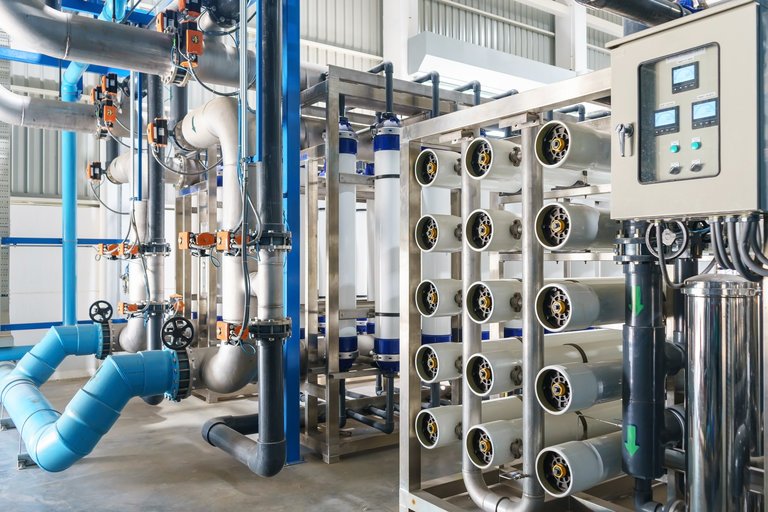
Whole-home systems treat water as it enters the house, making them useful when the concern affects bathing, laundry, appliances, and other household uses. Depending on the water issue, a system might combine filtration, softening, or other treatment technologies.
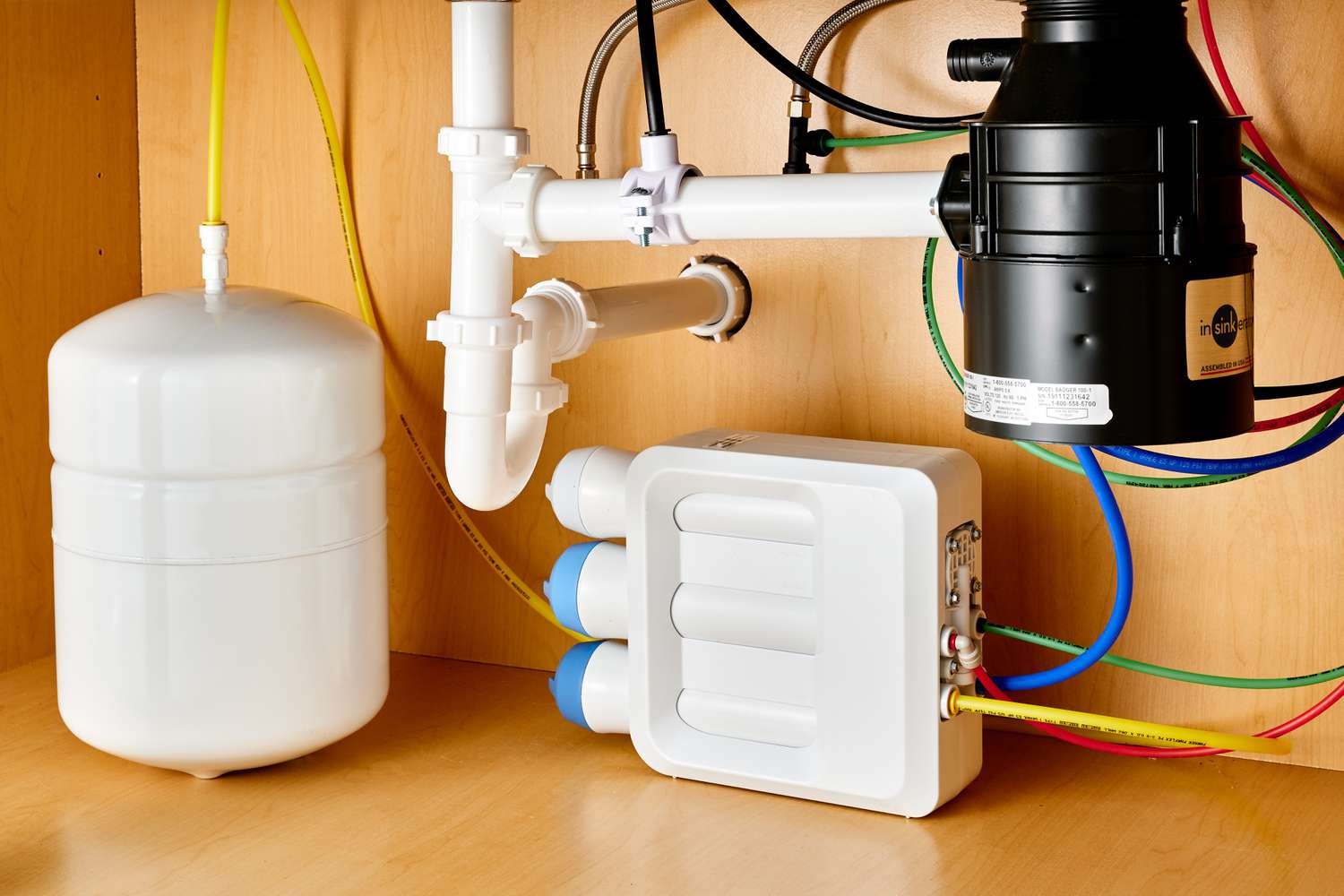
Point-of-use systems, meanwhile, are designed for specific locations. A reverse osmosis unit under the kitchen sink, for instance, can provide highly treated drinking and cooking water without treating every gallon used in the home.
Neither approach is automatically better.
It comes down to the water problem and what the homeowner actually wants to accomplish. Sometimes a combination makes the most sense: whole-home treatment for a broad water-quality concern and point-of-use filtration for drinking water.
Installation Is Where Planning Becomes Reality
Even a well-designed treatment system can disappoint if it isn’t installed correctly. Plumbing connections, flow direction, pressure requirements, drainage, bypass arrangements, and system settings all matter.
Professional installation also helps ensure that the equipment integrates properly with the existing plumbing rather than becoming an awkward add-on.
This is particularly important with whole-home systems because mistakes can affect water pressure or create leaks. Equipment should also remain accessible for maintenance. A system hidden behind permanent construction might look tidy on day one, but servicing it later could become unnecessarily difficult.
Experienced technicians can also identify plumbing conditions that aren’t obvious to the homeowner. Older pipes, unsuitable connections, inadequate drainage, or unusual pressure conditions may need attention before the new equipment goes into service.
It’s one of those jobs where doing it right the first time is usually cheaper and less stressful than fixing problems afterward.
Don’t Forget Maintenance
Water treatment equipment isn’t completely hands-off. Filters need replacing, tanks may need servicing, and certain systems require periodic cleaning or regeneration.
The maintenance schedule depends heavily on the type of equipment and the quality of the incoming water. A heavily loaded sediment filter, for instance, may need attention sooner than expected if the source water contains substantial particulate matter.
Homeowners should know what maintenance is required before purchasing a system. Ask about replacement filters, service intervals, operating costs, warranty terms, and what happens if the system develops a fault.
A good treatment solution should improve daily life, not create a new chore that nobody remembers to handle.
The Long-Term Value of Better Water
The benefits of water treatment aren’t always dramatic. Often, they’re small improvements that quietly add up.
Fixtures may stay cleaner. Soap may rinse differently. Appliances that use water can benefit from reduced mineral buildup when the treatment is appropriate for the problem. Drinking water may taste better. Showers can simply feel more pleasant.
And perhaps most importantly, homeowners gain a clearer understanding of what’s happening with the water flowing through their property.
There’s no universal “best” water treatment system. The right choice depends on water quality, household needs, plumbing conditions, budget, and long-term expectations.
That’s why the smartest approach usually starts with understanding rather than shopping. Test the water. Discuss the concerns. Plan the system carefully. Install it properly. Then keep up with the maintenance.
It may not sound glamorous, and honestly, plumbing rarely does. But when clean, dependable water becomes something you no longer have to think about, that’s a pretty good result.