Most people think about water filtration when they’re standing at the kitchen sink. Perhaps the water tastes unpleasant, or they’ve noticed tiny particles floating in a freshly poured glass. But what about the water circulating through the rest of the house?
The same incoming supply often serves your showers, washing machine, dishwasher, and water heater. When problems affect that supply, installing a small kitchen filter may only address part of the issue.
Choosing water treatment at the point of entry allows homeowners to manage specific water quality concerns before the supply travels through connected household plumbing.
It’s a practical approach that can make everyday activities more enjoyable while addressing certain maintenance concerns. Getting the best results, however, requires understanding your water and selecting equipment that suits your property.
Understanding What Happens Before Water Reaches Your Faucet
Water travels quite a distance before arriving at your kitchen or bathroom. Along the way, its characteristics can be influenced by its original source, distribution infrastructure, and even the condition of your home’s plumbing.
Municipal water generally undergoes treatment before reaching residential properties. Nevertheless, some homeowners notice disinfectant odors or mineral-related deposits.
Private well owners may encounter different challenges, including excessive iron, sediment, hardness, or microbial contamination.
These issues aren’t always immediately obvious. Sometimes, they’re revealed through stained laundry, clogged faucet aerators, or stubborn deposits around plumbing fixtures.
Rather than treating each symptom separately, investigating the incoming water supply can help uncover the underlying problem. It also provides a sensible starting point for choosing suitable treatment equipment.
Why Treating Water at Its Entry Point Makes Sense
Installing separate filters in several rooms can become inconvenient. Between replacement cartridges and different maintenance schedules, keeping everything working properly may feel like another household chore.
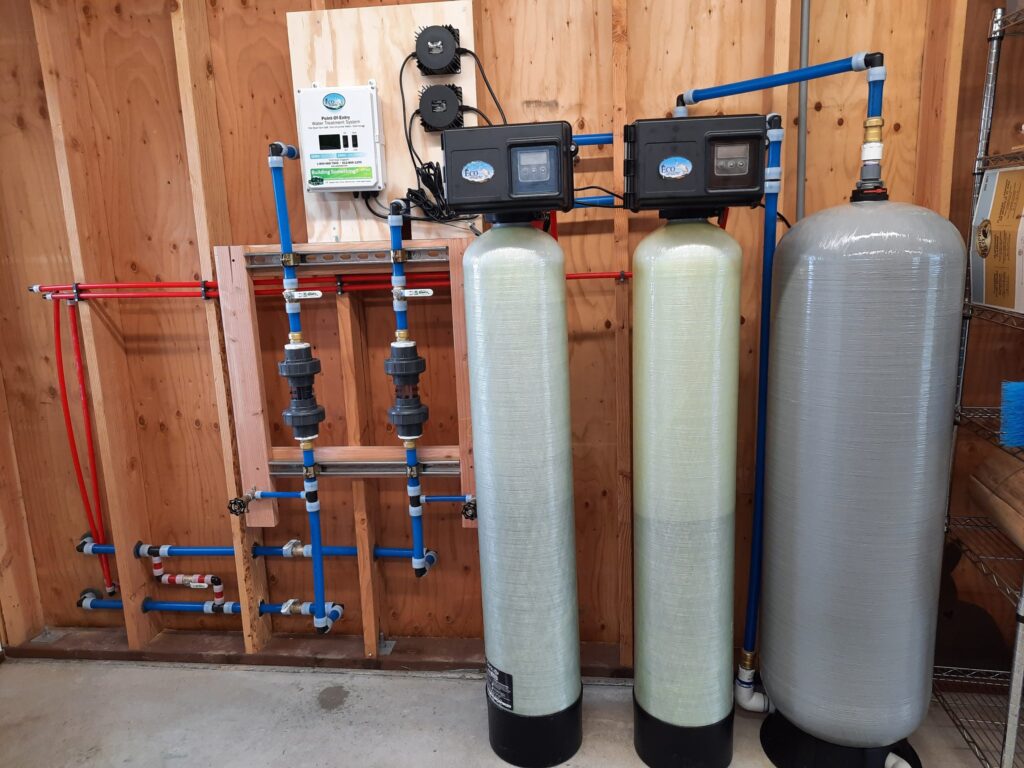
Well-designed point-of-entry water filtration solutions provide a centralized approach by treating incoming water near the property’s main supply connection.
Depending on the selected technology, these installations can help reduce suspended particles, certain chemical compounds, and unpleasant tastes or odors.
Some arrangements incorporate several treatment stages, each designed to address a particular concern.
For instance, a sediment filter may capture suspended debris before water reaches a carbon filtration unit. This arrangement can help protect downstream equipment against excessive particle accumulation.
The idea isn’t to install as many filters as possible. It’s to establish an effective treatment process that reflects your home’s actual water conditions.
Exploring Different Filtration Technologies
Shopping for water treatment equipment can feel a little overwhelming, especially when technical descriptions start sounding remarkably similar.
Different whole-home water filter systems offer different capabilities, making it important to understand what each technology accomplishes before purchasing equipment.
Activated carbon filters can help reduce certain chemical compounds and unpleasant disinfectant tastes. Sediment filters capture suspended particles such as sand and rust.
Traditional water softeners address excessive calcium and magnesium concentrations, helping reduce future mineral buildup. Specialized treatment equipment may be necessary for iron, microbial contamination, or other specific concerns.
No single technology addresses every possible water quality problem.
That’s why selecting equipment based on appropriate testing is generally more effective than purchasing a system simply because it promises multiple filtration stages.
How Better Water Can Change Your Household Routine
The benefits of suitable water treatment often become noticeable through ordinary experiences rather than dramatic transformations.
Perhaps you notice fewer particles collecting around faucet aerators or discover that your shower no longer has that familiar chlorine smell.
When appropriate hardness treatment is included, you might also spend less time scrubbing mineral deposits from bathroom surfaces.
These improvements can make routine household tasks less frustrating. Certain treatment arrangements may also help protect connected equipment against specific water-related maintenance problems.
Of course, results vary depending on incoming water characteristics and the installed technology.
Having realistic expectations helps you recognize the genuine value of your investment without expecting the equipment to solve problems beyond its intended capabilities.
Getting Your Water Tested Before Making a Purchase
It’s tempting to start comparing equipment prices immediately. However, understanding your water should come first.
Appropriate testing can reveal important information about mineral hardness, pH, iron concentrations, and specific contaminants. Related context: Why Small Pump Components Matter More Than Most People Think.
Municipal water customers can review their supplier’s water quality reports, while private well owners should arrange suitable laboratory testing.
Remember that water can appear perfectly clear and still contain potentially harmful substances.
Testing provides a more dependable foundation for treatment decisions than appearance or taste alone.
It can also help you avoid unnecessary expenses. After all, there’s little benefit in purchasing specialized equipment for a problem your property doesn’t actually have.
Considering Water Flow, Installation, and Maintenance
A filtration system must accommodate your household’s everyday water demand.
Think about those busy mornings when someone is showering, the washing machine is running, and another family member is preparing breakfast. Your treatment equipment needs to handle expected simultaneous usage without unnecessarily restricting water flow.
Installation space, incoming pressure, drainage requirements, and servicing accessibility also deserve consideration.
Ask about replacement filters, maintenance expenses, and recommended servicing intervals before committing to a particular system.
Regular maintenance and appropriate follow-up testing help verify that equipment continues performing as intended.
Making Better Water a Long-Term Investment
Improving your home’s water supply isn’t about purchasing the most advanced equipment available. It’s about understanding what needs attention and choosing a dependable solution.
A properly designed treatment arrangement should fit comfortably into your daily routine without creating unnecessary maintenance responsibilities.
Start with reliable information, invest in suitable equipment, and look after it consistently.
From preparing your morning coffee to washing clothes at the end of a busy week, water quietly supports countless moments of everyday life.
Giving its quality a little more attention is an investment in the comfort and functionality of your home for years to come.