There’s something quietly satisfying about pouring yourself a glass of crystal-clear water, knowing exactly what you’re drinking—and more importantly, what you’re not. In a world where “purified” can mean a dozen different things, more homeowners are skipping the mystery and going straight for something a bit more, well, certain. Enter reverse osmosis.
Not All Water Is Created Equal
Let’s start with the obvious: if your tap water tastes like a public swimming pool or smells like a rusty pipe, that’s not just an aesthetic problem. It’s a potential health concern. From chlorine to heavy metals to uninvited microbial guests, municipal and well water often come with baggage. And that’s assuming your pipes haven’t been slowly adding their own contributions over the years.
You could go the bottled water route, sure. But the cost adds up, and let’s not even get into the environmental guilt trip. A smarter, long-term solution? Reverse osmosis filtration right in your own home.
What Makes RO Special?
At its core, reverse osmosis is a filtration method that uses pressure to push water through a semi-permeable membrane. This filter removes a wide range of contaminants—think lead, fluoride, nitrates, arsenic, and more—leaving behind just clean, drinkable water.
But it’s not just about a single filter. RO systems typically come with multiple stages, including sediment filters, carbon blocks, and the critical RO membrane filter. That last part is the real MVP—screening out the tiniest impurities down to the molecular level. It’s surgical-level precision… for your kitchen sink.
The Convenience of Under-Sink RO Systems
If you think “reverse osmosis system” sounds bulky or intimidating, you’re not alone. A lot of people imagine some Frankenstein’s monster of plumbing hardware. But the reality is much simpler—and sleeker.
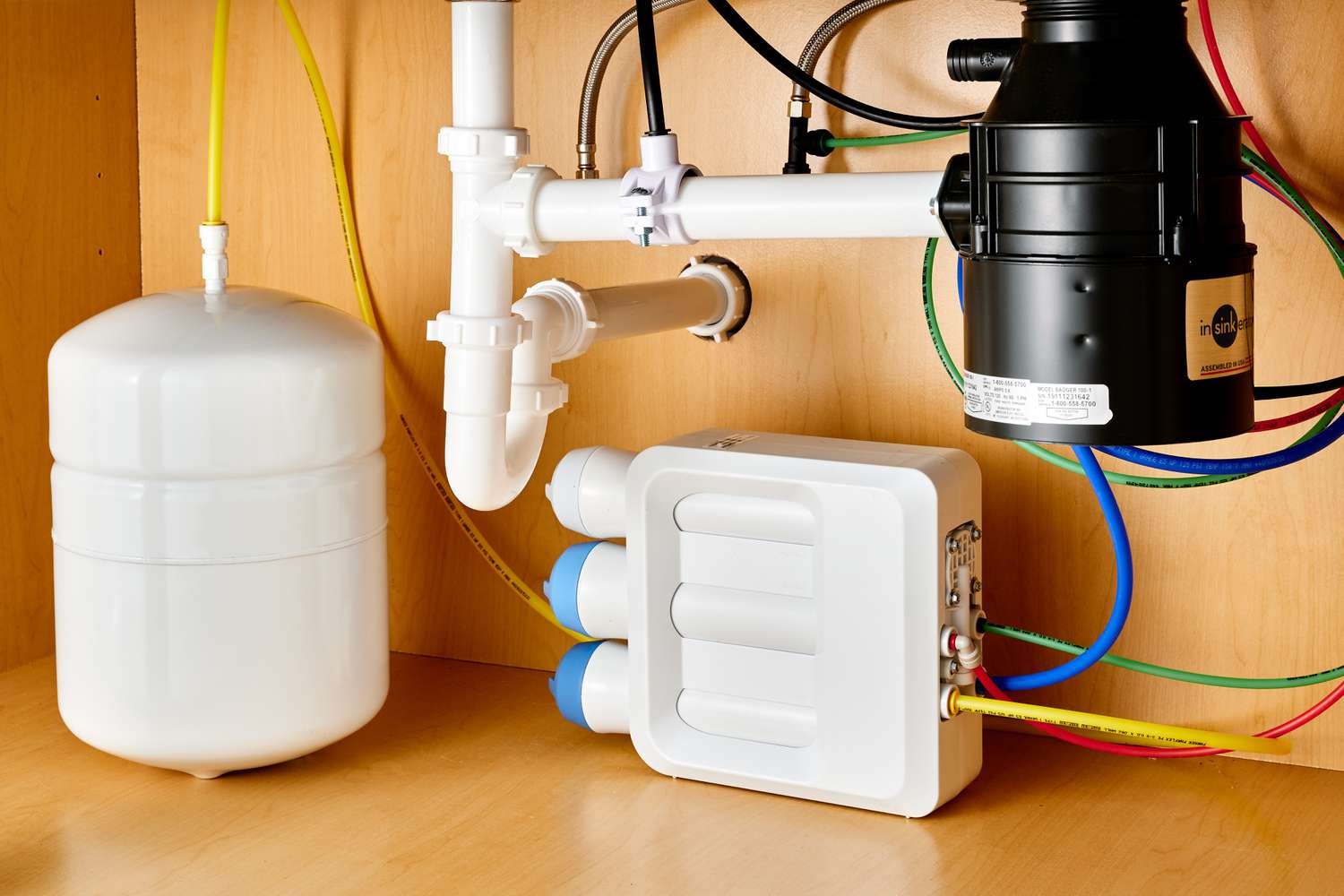
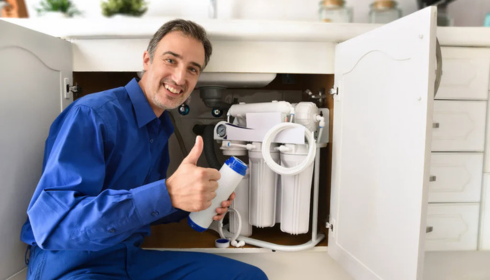
Most folks start with under-sink RO systems. These units sit neatly in the cabinet below your kitchen sink and are connected to a dedicated faucet. Out of sight, easy to use, and surprisingly compact.
No more waiting for filtered pitchers to chill in the fridge. No more guessing if your water’s actually clean. Just twist the tap and go.
Thinking Bigger: Whole House RO Options
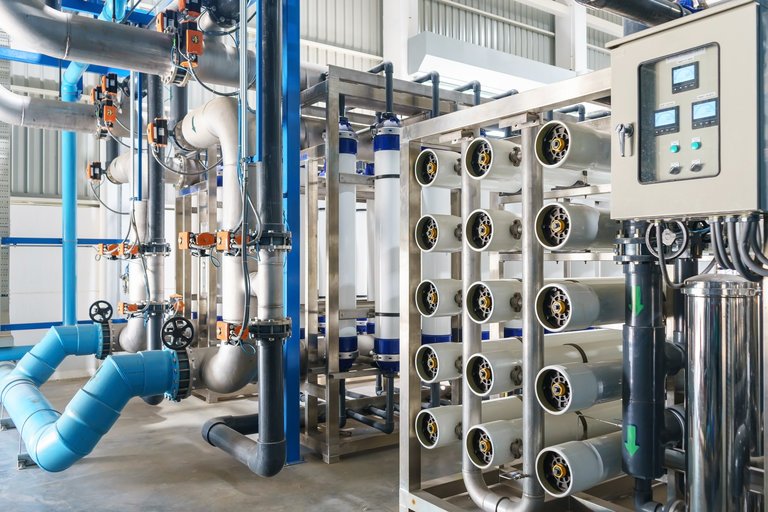
Now, if you’re someone who wants the cleanest water flowing from every tap—whether you’re brushing your teeth, taking a shower, or doing laundry—you might look into whole house RO options.
They’re not for everyone. They require more space and a higher upfront investment. But for homes with serious water issues—think well water with high TDS (total dissolved solids) or serious contamination—this could be a game-changer.
Plus, your skin and hair might just thank you for it. Ever step out of the shower feeling filmy or itchy? Hard water could be the culprit.
What About Maintenance?
Here’s the honest part no one likes to talk about: RO systems do need some maintenance. Filters need changing. Membranes need occasional replacement. But it’s not a dealbreaker.
Most systems only need attention every 6–12 months, depending on your water quality and usage. And many modern systems come with simple indicators that tell you exactly when something needs replacing—no guesswork required.
For the peace of mind and improved water quality you’re getting in return? It’s worth it.
Real Benefits You Can Taste and Feel
Clean water isn’t just a health thing—it’s a life thing. RO water often tastes noticeably better. Your coffee? Smoother. Your ice cubes? Clearer. Even your pasta might cook a little cleaner. Small changes, sure. But over time, those add up.
And here’s a fun fact: people often end up drinking more water after installing an RO system. Why? Because it tastes good. No chemical bite. No earthy aftertaste. Just hydration that doesn’t require holding your nose.
Budget, Brands, and What to Look For
Not all systems are created equal, and neither are all homes. You’ll want to look for certifications like NSF/ANSI, which indicate the system’s been independently tested for performance. Look for systems that match your water usage, space, and specific concerns—whether that’s lead, sediment, fluoride, or bacteria.
And if you’re overwhelmed by the options, don’t sweat it. Start small. You don’t need to commit to a whole-home setup right away. Try an under-sink model first and go from there.
Water You Can Count On
Here’s the truth most people don’t talk about: clean water is one of the few non-negotiables in life. You can cut corners on your cable package or swap brands of cereal, but your water? That’s something you consume every single day. It powers your body, fuels your food, and keeps your family healthy.
You deserve better than water that’s probably okay.
A reverse osmosis system isn’t just a gadget—it’s a lifestyle upgrade. And whether you go with the simplicity of under-sink RO systems, the all-in solution of whole house RO options, or just want to understand what a RO membrane filter actually does—you’re taking control of what goes into your glass.